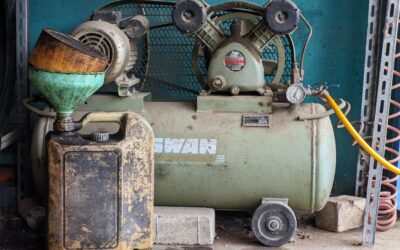
If your air compressor is not building pressure, the most common cause is a leak in the system, a faulty check valve, or a worn piston ring. These issues prevent the compressor from reaching its cut-out pressure, leaving you with weak airflow or no pressure at all. Understanding the specific symptoms can help you pinpoint the problem quickly and get back to work.
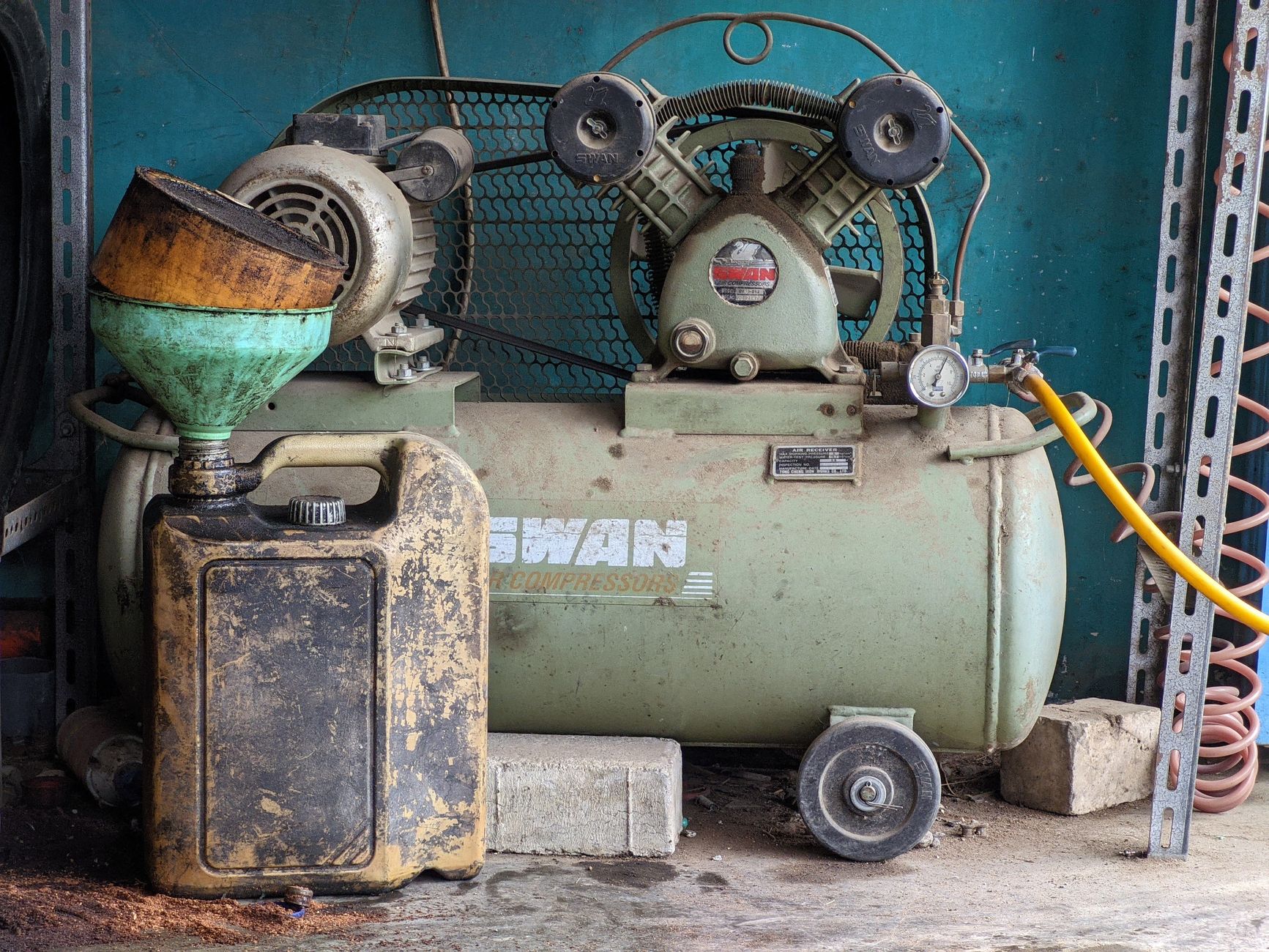
Air Compressor Not Building Pressure: Leaks in the System
The most frequent reason an air compressor is not building pressure is a leak somewhere in the system. This could be at the tank drain valve, the coupler, the hose, or any fitting. Even a small leak can prevent the compressor from reaching its maximum pressure, causing it to run constantly or cycle on and off.
To check for leaks, listen for a hissing sound when the compressor is running and pressurized. You can also apply soapy water to all fittings and connections; bubbles will indicate a leak. Tighten loose fittings and replace damaged parts as needed.
Air Compressor Not Building Pressure: Faulty Check Valve
The check valve, also known as a one-way valve, allows air to flow from the pump into the tank but prevents it from flowing back out. If this valve fails, air can escape back through the pump when the compressor shuts off, causing a loss of pressure. You may hear a hissing sound from the pump area when the compressor stops.
A faulty check valve is a common issue on older units. To test it, remove the valve and inspect it for debris or damage. Cleaning or replacing the check valve is usually a straightforward fix that restores normal operation.
Air Compressor Not Building Pressure: Worn Piston Rings or Cylinder
In reciprocating piston compressors, worn piston rings or a scored cylinder can cause a loss of compression. This means the pump cannot build enough pressure to fill the tank. You may notice oil consumption or a smoky exhaust from the pump.
Worn rings are more common in compressors that have seen heavy use or lack regular oil changes. Rebuilding the pump or replacing the compressor unit may be necessary if this is the case.
Air Compressor Not Building Pressure: Pressure Switch Issues
The pressure switch controls when the compressor turns on and off. If the switch is set too low or is malfunctioning, the compressor may shut off before reaching the desired pressure. Alternatively, if the switch contacts are burned out, the compressor may not run at all.
Check the pressure switch adjustment screw (if adjustable) and verify that the contacts are clean and making good connection. A faulty switch should be replaced.
Air Compressor Not Building Pressure: Clogged Air Filter
A dirty air filter restricts airflow into the pump, which can reduce the compressor’s ability to build pressure. This is often overlooked because the filter is easy to forget. A clogged filter can also cause the compressor to run hotter than normal.
Inspect the air filter element and replace it if it appears dirty or clogged. This is a simple maintenance task that can restore lost performance.
Air Compressor Not Building Pressure: Tank Drain Valve Open or Leaking
The tank drain valve, usually located at the bottom of the tank, is used to drain moisture. If it is left partially open or has a worn seal, it will leak air and prevent the tank from reaching full pressure. This is a very common oversight.
Ensure the drain valve is fully closed. If it continues to leak, replace the valve or its seal.
How to Fix an Air Compressor Not Building Pressure
- Check for and repair any air leaks in the system.
- Inspect and clean or replace the check valve.
- Examine piston rings and cylinder for wear.
- Test and adjust or replace the pressure switch.
- Replace a clogged air filter.
- Ensure the tank drain valve is fully closed and not leaking.
If you’ve gone through these steps and the compressor still isn’t building pressure, it may be time to consider a replacement.
Frequently Asked Questions
Why does my air compressor run but not build pressure?
If the compressor runs continuously but the pressure gauge stays low, the most likely cause is a leak in the system, a faulty check valve, or worn piston rings. Check for leaks first, as they are the easiest to fix.
Can a bad pressure switch cause low pressure?
Yes, a faulty pressure switch can cause the compressor to shut off prematurely, preventing it from reaching the desired pressure. It can also fail to start the compressor at all. Adjust or replace the switch if needed.
How do I test the check valve on my air compressor?
To test the check valve, remove it from the compressor and blow air through it in the direction of flow. It should allow air to pass easily. Then try to blow air in the opposite direction; it should block all airflow. If it leaks in both directions, it needs replacement.
Why does my air compressor lose pressure when it shuts off?
If you hear a hissing sound from the pump after the compressor shuts off, the check valve is likely leaking. This allows compressed air to escape back through the pump. Replacing the check valve usually solves this problem.
Can a dirty air filter cause low pressure?
Yes, a clogged air filter restricts airflow into the pump, reducing its ability to compress air efficiently. This can lead to longer pump run times and lower maximum pressure. Replace the filter as part of regular maintenance.
Related Guides
- Best Portable Air Compressor for Off Road Adventures
- Air Compressor Keeps Running But Won't Build Pressure
- Why Does My Air Compressor Keep Shutting Off?
Closing
If your air compressor is not building pressure, start by checking for leaks, a faulty check valve, and a clogged air filter. These are the most common and easiest fixes.