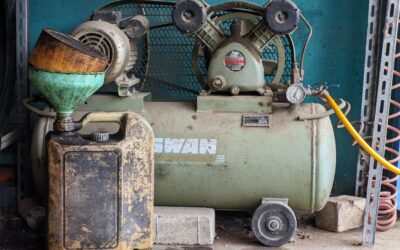
Your air compressor keeps shutting off because it is triggering a safety mechanism, most often the thermal overload switch, which cuts power when the motor gets too hot. Other common reasons include a faulty pressure switch that misreads tank pressure, a clogged intake filter starving the pump of air, or an undersized compressor running beyond its duty cycle. Understanding which safety feature is tripping is the first step to a lasting fix.
Tripped Thermal Overload Switch
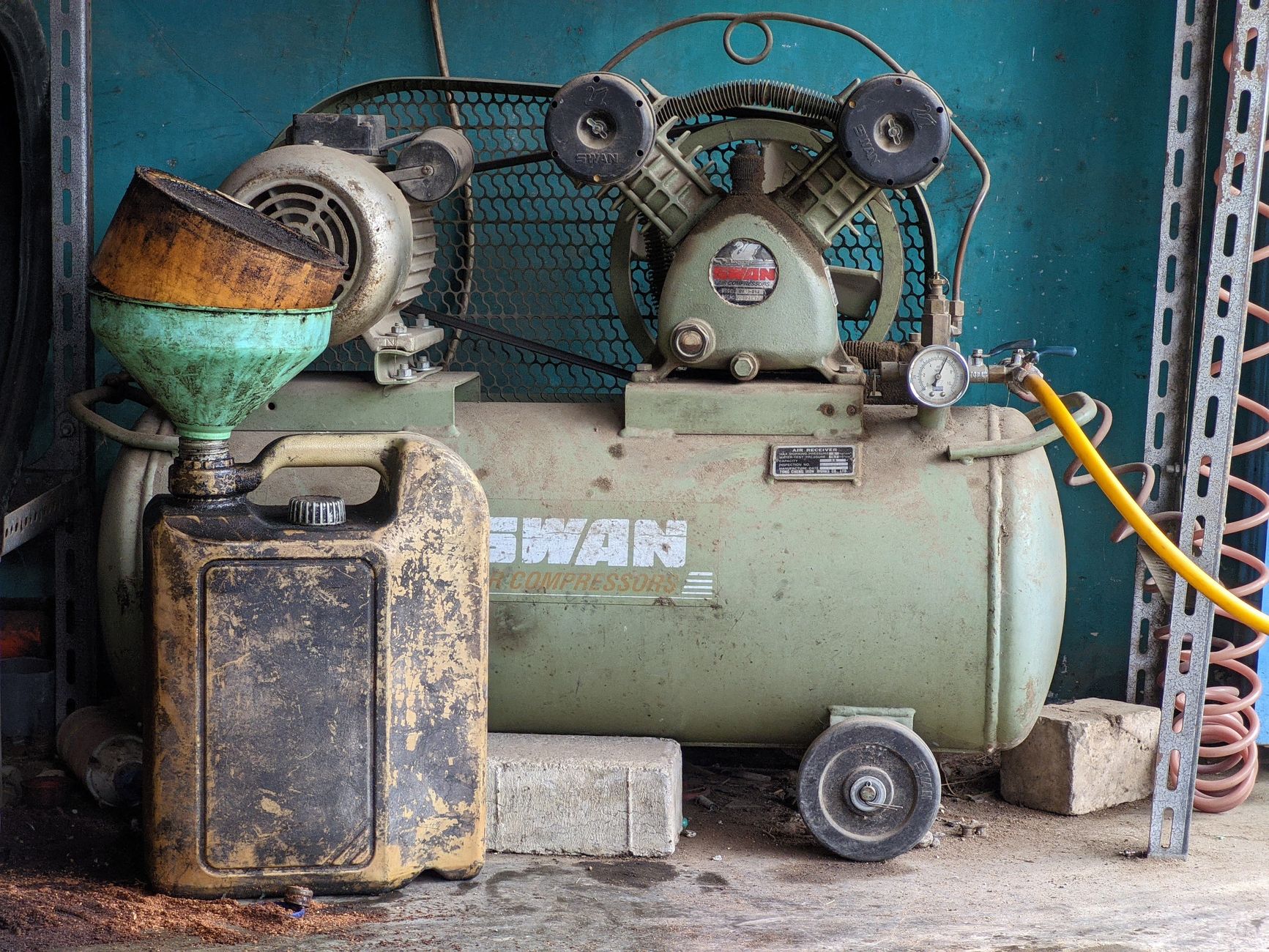
The thermal overload switch is a built in safety device that shuts the compressor off when the motor reaches an unsafe temperature. This is the most frequent reason an air compressor keeps shutting off during use. The motor can overheat if the compressor is running too long without a break, if the ambient temperature in your workspace is very high, or if the motor itself is dirty or failing.
Most residential compressors are designed for intermittent duty, meaning they should run for a set period and then rest. If you are pushing the compressor beyond its rated duty cycle, the thermal overload will trip. Let the compressor cool for 20 to 30 minutes, then press the reset button on the motor housing. If it trips again quickly, you likely have an underlying issue like a clogged filter or a failing motor.
Faulty Pressure Switch
The pressure switch is the component that tells the compressor when to start and stop based on the air pressure inside the tank. If the switch is failing, it may signal the compressor to shut off prematurely, even when the tank pressure is still low. This can feel like the compressor is shutting off for no reason, but it is actually responding to a false reading.
A pressure switch can fail due to age, debris inside the switch housing, or a worn diaphragm. You can test it by watching the pressure gauge when the compressor shuts off. If the gauge reads well below the cut out pressure listed in your manual, the switch is likely the culprit. Replacing a pressure switch is a straightforward repair for most DIYers.
Clogged Intake Air Filter
The intake filter cleans the air before it enters the pump. Over time, especially in dusty workshops, this filter becomes clogged with debris. A clogged filter restricts airflow, forcing the pump to work harder to draw in air. This extra strain generates heat, which can trigger the thermal overload switch and cause the compressor to shut off.
Check the filter by removing it and holding it up to a light. If you cannot see light through it, or if it looks caked with dust, it is time for a replacement. Cleaning a foam filter with soap and water can extend its life, but paper filters should be replaced. A clean filter allows the compressor to run cooler and more efficiently.
Undersized Compressor or Overuse
If your air compressor keeps shutting off while you are using a high demand tool like a paint sprayer or impact wrench, the compressor may simply be too small for the job. Every compressor has a duty cycle, usually expressed as a percentage of runtime per hour. Running a 50% duty cycle compressor for more than 30 minutes in an hour will cause it to overheat and shut off.
Check your compressor’s specifications for its duty cycle and compare it to the tools you are using. If your tool requires more CFM (cubic feet per minute) than the compressor can supply, the compressor will run continuously and overheat. The solution is either to take regular breaks or to upgrade to a compressor with a higher duty cycle and CFM rating.
Low Oil Level or Wrong Oil Type
Many air compressors use oil to lubricate the pump. If the oil level is low or if you have used the wrong type of oil, the pump will experience increased friction and heat. This heat can trip the thermal overload switch and cause the compressor to shut off. Oil related issues are especially common after a recent oil change or if the compressor has been stored on its side.
Check the oil level through the sight glass or dipstick when the compressor is cold. The oil should be at the full mark and should look clean, not dark or milky. Use only the oil grade recommended in your owner’s manual, typically a non detergent 30 weight oil or a synthetic compressor oil. Low oil is an easy fix that prevents costly pump damage.
How to Fix an Air Compressor That Keeps Shutting Off
Here is a step by step guide to diagnosing and resolving each of the common causes. Always unplug the compressor and release all tank pressure before performing any repair.
- If the thermal overload trips, let the compressor cool for 30 minutes, then press the reset button. Clean the motor housing and ensure good ventilation around the unit.
- If the pressure switch is faulty, replace it with a new switch that matches your compressor’s cut in and cut out pressures.
- If the intake filter is clogged, clean or replace it. Check it every few months in dusty environments.
- If the compressor is undersized, reduce the runtime of your tools or upgrade to a compressor with a higher duty cycle and CFM rating.
- If the oil level is low or the oil is dirty, top off or change the oil using the recommended grade.
If you have worked through these steps and the compressor still shuts off, the motor itself may be failing. At that point, it is worth checking your compressor’s electrical components with a multimeter.
Frequently Asked Questions
How long should I let my air compressor cool down?
Most compressors need at least 20 to 30 minutes of cool down time after the thermal overload trips. Check your owner’s manual for the exact duty cycle. Running the compressor before it has fully cooled can damage the motor.
Can a leaking air hose cause the compressor to shut off?
Yes, a significant leak in the hose or fittings can cause the compressor to run constantly in an attempt to maintain pressure. This continuous running can overheat the motor and trip the thermal overload. Fixing the leak will reduce runtime and prevent overheating.
Why does my compressor shut off immediately when I turn it on?
If your compressor shuts off instantly, it is likely a pressure switch issue, a seized pump, or a faulty capacitor. A seized pump will not turn at all and may trip a breaker or blow a fuse. A bad capacitor may cause the motor to hum but not start, then shut off.
Is it normal for an air compressor to shut off when it gets hot?
It is normal for the thermal overload to shut the compressor off if it exceeds its safe operating temperature. However, it is not normal for this to happen frequently. Frequent thermal trips indicate an underlying problem such as poor ventilation, a clogged filter, or an undersized compressor.
Related Guides
- Best Portable Air Compressor for Off Road Adventures
- Air Compressor Not Building Pressure
- How to Drain an Air Compressor
Closing Thoughts
An air compressor that keeps shutting off is almost always telling you something about its operating conditions, whether that is overheating, a faulty pressure switch, or a maintenance need. Start with the simplest fixes like cleaning the filter and checking the oil before moving to component replacements.