If your rowing machine is making noise, the sound is almost always a symptom of a specific mechanical issue that you can diagnose and fix yourself. The most common causes include loose bolts, dry chain or rails, worn shock cord, or a dirty flywheel. By identifying the type of noise and where it comes from, you can often solve the problem without a service call. This guide walks you through the most likely causes of a rowing machine making noise and explains exactly what to do about each one.
Loose Bolts and Frame Connections
A rowing machine that rattles or creaks during each stroke often has loose hardware. Over time, the vibrations from rowing can loosen bolts on the rail, seat, footrests, or handlebar mount. Check every visible bolt and nut with the appropriate wrench or Allen key. Tighten them just until snug; overtightening can strip threads or crack plastic components.
Pay special attention to the bolts that connect the front and rear stabilizers to the main frame. These are often the first to loosen. If you hear a metallic clank with each pull, the seat rollers or rail joints may also be loose. A quick once-over with a tool kit can eliminate this cause in minutes.
Dry or Dirty Chain and Rail
If your rowing machine is making a grinding or squeaking sound that changes with your stroke speed, the chain or rail likely needs lubrication. Most rowing machines use a metal chain that runs over a sprocket, and the seat glides along a metal or plastic rail. Both parts need periodic cleaning and lubrication to run quietly.
For the chain, use a lightweight machine oil (like 3-in-1 or a silicone spray) applied sparingly while you slowly pull the chain out. Wipe off any excess. For the rail, clean it with a damp cloth to remove sweat and dust, then apply a thin layer of silicone lubricant. Never use WD-40 as a long-term lubricant; it attracts dirt and dries out quickly.
Worn or Broken Shock Cord
Many rowing machines use a bungee cord or shock cord to retract the handle. If this cord is frayed, stretched unevenly, or broken, you may hear a snapping or slapping sound when the handle snaps back. The cord can also cause a dragging noise if it rubs against the frame or pulley.
Inspect the cord along its entire length. If you see fraying, replace it with a cord of the same thickness and tension rating. A temporary fix for a loose cord is to re-tension it by adjusting the knot or adding a small zip tie, but replacement is the only reliable long-term solution.
Dirty or Damaged Flywheel and Fan
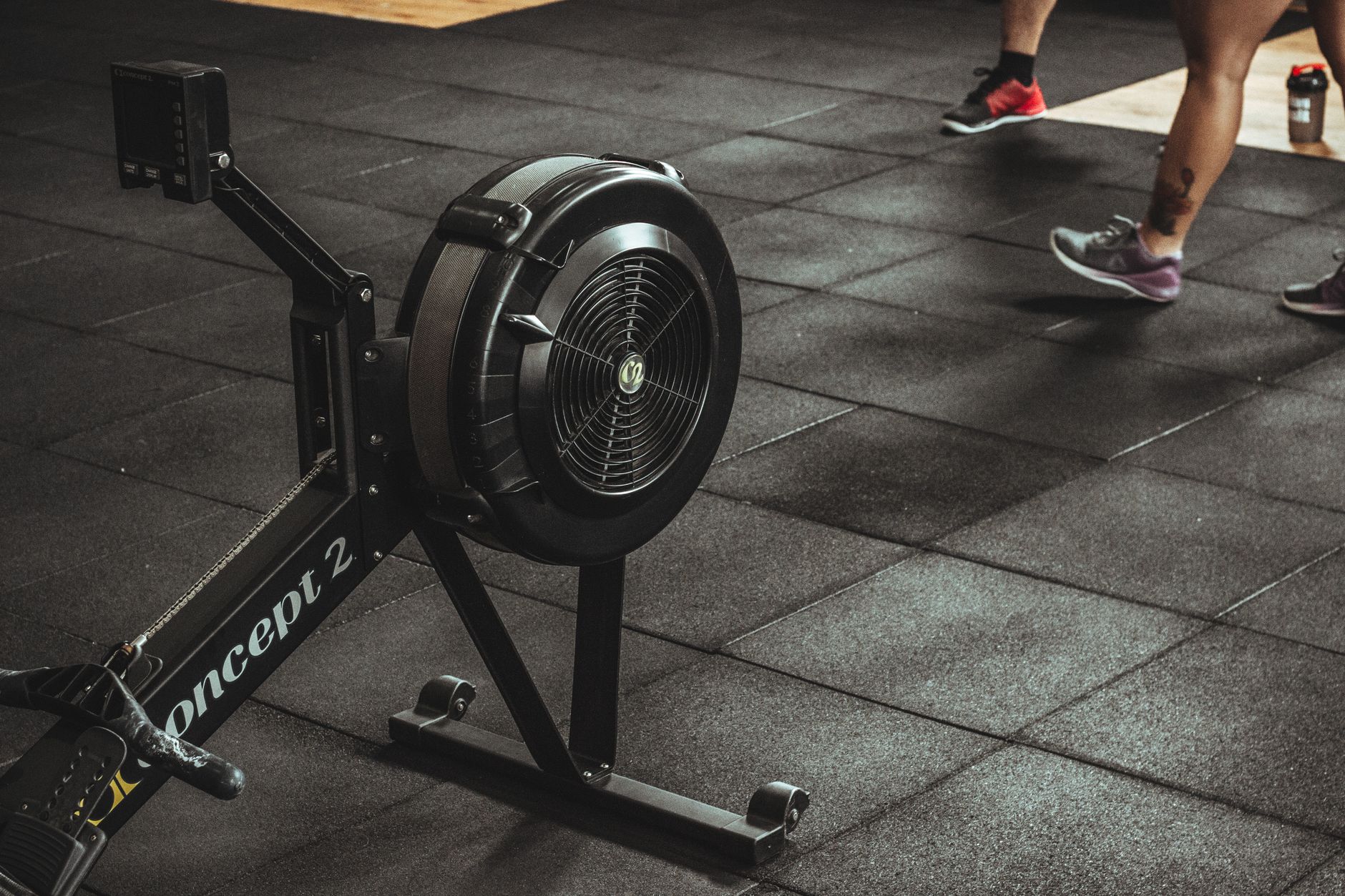
Air and magnetic rowing machines have a fan or flywheel that spins inside a housing. If dust, pet hair, or debris builds up on the fan blades or inside the housing, you may hear a whirring, scraping, or wobbling noise. The sound is often constant regardless of stroke speed and may change pitch as you row harder.
Unplug the machine and use a vacuum with a brush attachment to clean the fan area through the vents. For magnetic rowers, check that the magnetic brake is not touching the flywheel. If the flywheel itself is bent or cracked, it will need replacement. A scraping sound that doesn’t go away after cleaning usually means a damaged bearing or warped fan.
Seat Rollers and Rail Wear
The seat on a rowing machine rides on rollers that move along a rail. If those rollers are worn, misaligned, or have flat spots, you’ll hear a bumping or clicking sound as the seat passes over each roller. The noise is rhythmic and matches your leg drive.
Flip the rower over and inspect the rollers. Clean the roller surfaces and the rail with a damp cloth. If you see visible damage or the seat wobbles side to side, the rollers may need replacement. Some machines allow you to adjust the roller tension with a screw; tightening slightly can reduce slop and noise.
Loose or Worn Handle and Straps
The handle itself can be a source of noise if its grip is loose or if the strap connections are rattling. A handle that clunks against the frame at the end of each stroke is usually just a matter of positioning, but a persistent rattle while rowing indicates a loose handle mount or worn strap.
Check the screws or clips that hold the handle to the chain or strap. Tighten any that are loose. If the handle has a foam grip that has shifted, you can often reposition it or secure it with a small amount of adhesive. For strap-based rowers, inspect the strap for fraying and ensure it winds evenly onto the spool.
How to Fix a Noisy Rowing Machine
Here is a step-by-step list of actions to take, starting with the most common fixes:
- Tighten all visible bolts and screws on the frame, seat, footrests, and handle mount.
- Lubricate the chain and rail with a light machine oil or silicone spray.
- Inspect the shock cord for fraying and replace it if damaged.
- Clean the flywheel or fan housing with a vacuum to remove dust and debris.
- Check the seat rollers for wear and clean the rail thoroughly.
- Examine the handle and straps for loose connections or worn parts.
If you’ve tried all of the above and your rowing machine is still making noise, the issue may be with a worn bearing or internal component that requires professional repair.
Frequently Asked Questions
Why does my rowing machine squeak when I row?
A squeak usually comes from a dry chain or rail. Apply a few drops of lightweight machine oil to the chain while pulling it slowly, and clean and lubricate the rail with silicone spray. The squeak should disappear within a few strokes.
Why is my rowing machine making a grinding noise?
A grinding noise often indicates debris in the flywheel housing or a worn bearing. Vacuum the fan area through the vents. If the sound persists, the flywheel bearing may need replacement. Stop using the machine until you inspect it to avoid further damage.
Can I use WD-40 to lubricate my rowing machine?
WD-40 is a solvent and short-term lubricant, not a long-term one. It can dry out seals and attract dust. Use a dedicated machine oil or silicone spray instead for chains and rails. For the flywheel, no lubrication is needed.
How often should I clean my rowing machine to prevent noise?
Wipe down the rail and handle after every use to remove sweat and dust. Lubricate the chain every month or after every 100 hours of use, whichever comes first. A full inspection of bolts and parts every three months will catch loose components before they cause noise.
Is a clicking sound in my rowing machine dangerous?
A clicking sound is often harmless and may come from the seat rollers passing over a joint in the rail. However, if the clicking is accompanied by a jolt or a change in resistance, stop and inspect the chain, sprocket, and seat rollers. A loose or damaged component could break during use.
Related Guides
- How to Maintain a Rowing Machine
- Rowing Machine Monitor Not Working
- Rowing Machine Resistance Not Working
Closing Thoughts
A rowing machine making noise is almost always fixable with basic tools and a little cleaning. Start with the most common causes: loose bolts, dry chain, and dirty flywheel.