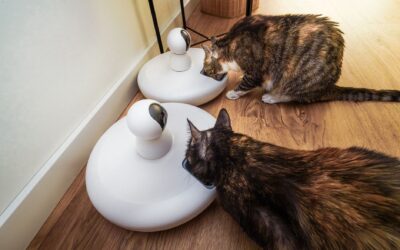
An automatic cat feeder not dispensing food usually has one of a few common causes: a jammed mechanism, low or dead batteries, a blocked food chute, or a misaligned timer setting. Before you assume the unit is broken, checking these basic issues can save you time and money. Most feeders are simple devices, and the fix is often something you can do in minutes without tools.
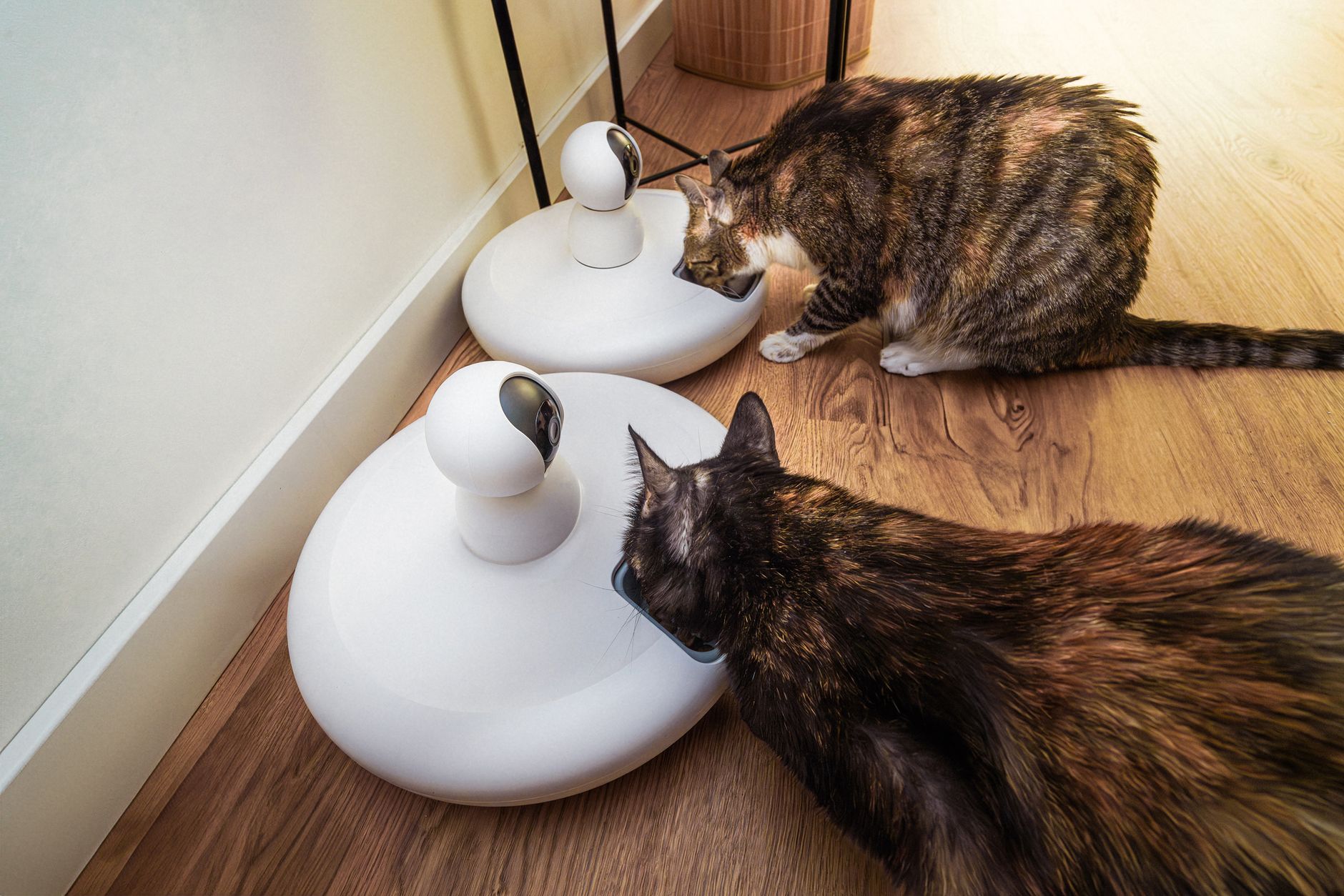
Jammed Food Dispensing Mechanism
The most frequent reason an automatic cat feeder stops working is a physical jam inside the rotating drum or auger. Kibble can get stuck between moving parts, especially if you use oddly shaped or oversized pieces. Sticky or moist food can also clump and block the exit hole.
To fix this, unplug the feeder and remove the food bowl and hopper. Look for any visible kibble lodged in the dispensing wheel or chute. Gently clear the blockage with a soft brush or your fingers, being careful not to damage any plastic gears. Make sure the mechanism spins freely before reassembling.
Dead or Low Batteries
Another common cause is simply that the batteries have run out. Many automatic cat feeders rely on batteries as their primary power source, and when voltage drops below a certain level, the motor may not have enough power to turn the dispensing wheel. Some feeders will still show a blinking light or display, tricking you into thinking they have power.
Replace the batteries with fresh ones, preferably high-quality alkaline or lithium cells. If your feeder also has an AC adapter, try plugging it in to see if the motor works. If it does, the batteries were the issue. Always check the battery compartment for corrosion or loose connections as well.
Blocked Food Chute or Exit Hole
Sometimes the problem isn’t the motor but the path the food takes to reach your cat. A clogged chute or exit hole can prevent kibble from falling into the bowl even if the dispenser is turning. This often happens with fine or dusty food that cakes onto the sides of the opening.
Inspect the chute and exit area for any buildup. Use a dry cloth or a small brush to wipe away residue. If the food is dusty, consider sifting it before filling the hopper to reduce future clogs. Regular cleaning of the entire dispensing path helps prevent this issue.
Misaligned Timer or Programming Error
It is also possible that the feeder is working perfectly but you have set the timer incorrectly. If the scheduled time has not arrived yet, or if you accidentally set it to a 12-hour clock instead of a 24-hour one, the feeder will appear broken when it is simply waiting for its next programmed meal. Some models also have a manual lock feature that disables dispensing.
Double check your feeder’s current time and meal schedule against the manual. Reset the clock if needed, and make sure you have not enabled any child lock or vacation mode. A quick factory reset can often clear any confusing settings.
Mechanical Wear or Gear Stripping
Over time, the plastic gears inside the feeder can wear down or strip, especially if the motor has been forced against a jam repeatedly. This is more common in older or heavily used units. The motor may hum or click without turning the auger, indicating that the gears are no longer engaging.
Unfortunately, this type of damage usually requires replacing the feeder. Some manufacturers offer replacement gear kits for specific models, but for most budget-friendly units, it is more practical to buy a new one. To avoid this, always clear jams gently and never force the mechanism.
How to Fix Your Automatic Cat Feeder Not Dispensing Food
- Check for and remove any kibble jams in the rotating drum or chute.
- Replace old batteries with fresh ones, and test the feeder with an AC adapter if available.
- Clean the food chute and exit hole to remove any buildup or dust.
- Verify the timer and meal schedule settings, and reset if necessary.
- Inspect gears for wear or damage; replace the unit if gears are stripped.
If these steps do not solve the problem, you may need to look at a replacement feeder. For a detailed comparison of reliable models, check out our guide to the best automatic cat feeders.
Frequently Asked Questions
Why does my automatic cat feeder keep jamming?
Jams occur when kibble pieces are too large, irregularly shaped, or sticky. Using a uniform, dry kibble and cleaning the hopper regularly can reduce jams. Some feeders have wider chutes that handle various kibble sizes better.
Can wet food cause an automatic feeder to stop working?
Yes, wet food can stick to the mechanism and dry into a hard residue that blocks the chute. Most automatic feeders are designed for dry kibble only. If you need to feed wet food, look for a model specifically made for that purpose with a sealed cooling compartment.
How often should I clean my automatic cat feeder?
Clean the hopper and dispensing area at least once a month, and more often if you use dusty or oily kibble. Wipe down the chute and bowl weekly to prevent buildup. A clean feeder is less likely to jam and more hygienic for your cat.
Why does my feeder show the correct time but not dispense?
This often means the internal clock battery has died, causing the feeder to lose its schedule. Replace the backup battery if your model has one. Alternatively, the programming may have been accidentally reset during a power surge.
Related Guides
- Automatic Pet Feeder Not Turning On
- Why Is My Automatic Pet Feeder Not Connecting to WiFi?
- Automatic Pet Feeder Keeps Jamming
Closing
An automatic cat feeder not dispensing food is almost always fixable with a quick check of the batteries, jams, or settings. If you have tried everything and the feeder still will not work, it may be time for an upgrade. Our guide to the best automatic cat feeders can help you find a reliable replacement.