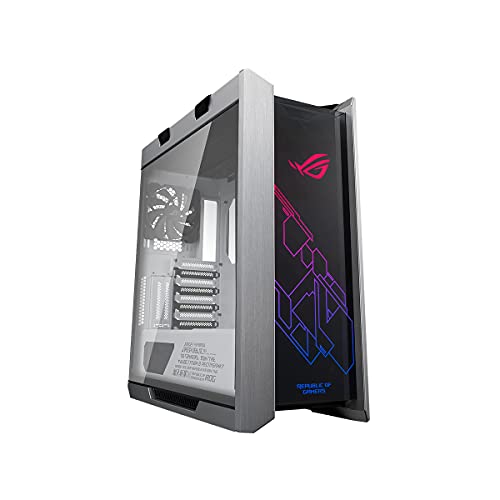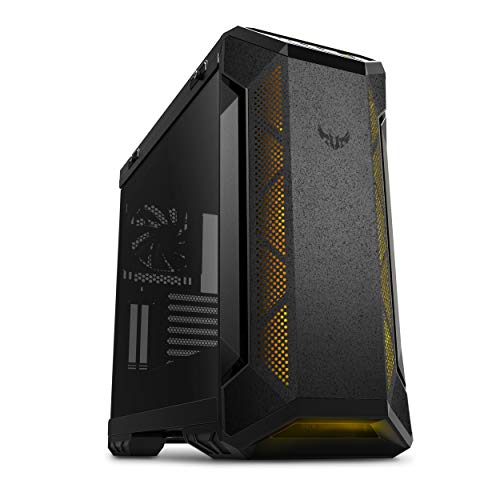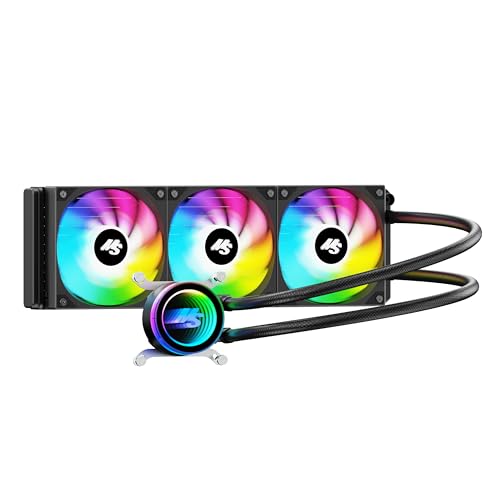
When you are building a new gaming rig or upgrading your workstation, the case is the foundation. Not only does it house your components, but it also dictates airflow, aesthetics, and expandability. Whether you are aiming for a sleek minimalist desk setup or a fully loaded RGB showpiece, choosing the right case is crucial. For those also planning a complete desk overhaul, check out our guide to the best gaming desks for streaming to ensure a cohesive workspace.


Buying Guide
Form Factor and Compatibility
The size of the case determines which motherboards, GPUs, and cooling solutions you can install. Most modern builds use mid-tower ATX cases, but make sure the case can fit your specific hardware. Check maximum GPU length and CPU cooler height. If you plan to use a 360mm radiator or a large graphics card, choose a case that lists support for these dimensions. For compact builds, mini-ITX or micro-ATX cases are more space efficient.
Some cases, like the Thermalright A70 Vision, support EATX motherboards and extreme hardware. For those needing extra desk space, pairing a larger case with a spacious desk is ideal. Consider our best big gaming desks to accommodate a bulky chassis.
Cooling Performance
Proper airflow keeps your components running cool and quiet. Look for cases with mesh front panels or multiple fan mounting positions. Pre-installed fans save you money and setup time, but verify they are PWM and ARGB if you want synchronized lighting. Cases like the MUSETEX K2 come with seven pre-installed fans, offering exceptional value. For liquid cooling, ensure radiator support matches your chosen size.
High-airflow designs, like the CORSAIR 4000D RS with its 3D Y-pattern front panel, allow unrestricted intake. If you run multiple monitors, you might also want to upgrade your desk. Check out our best gaming desks for 3 monitors for a matching setup.
Aesthetics and Build Quality
The visual appeal of your case matters, especially with tempered glass panels. Panoramic or dual glass designs, like those in the HYTE Y70 Touch Infinite and CORSAIR 3500X, let you showcase internal components. Look for tool-less panel removal, cable management channels, and quality materials. The Fractal Design North stands out with genuine walnut wood front bars, adding a natural touch to your desk.
If you care about monitor alignment, a single monitor desk can complement your case. See our best single monitor gaming desks for streamlined setups.
Connectivity and Extra Features
Modern cases should include USB Type-C ports on the front panel for fast data transfer and charging. Integrated fan hubs and RGB controllers simplify wiring. Some high-end cases, like the Thermalright A70 Vision, include a built-in LCD display for custom themes and system monitoring. Others, like the Lian Li V100, feature daisy-chained ARGB fans and a 26-LED strip for synchronized lighting.
For multi-monitor gamers, a dual monitor desk might be your next purchase. Browse our best gaming desks with monitor mounts to complete your battlestation.
Final Thoughts
Choosing the right PC case comes down to balancing your hardware needs, cooling preferences, and style. For builders who want a stunning, feature-rich chassis with an integrated touchscreen, the HYTE Y70 Touch Infinite Modern Aesthetic Gaming PC delivers an immersive experience. Meanwhile, if you are after outstanding value with pre-installed fans and excellent airflow, the MUSETEX ATX PC Case 7 PWM ARGB Fans Pre-Installed is a budget-friendly workhorse. Both represent the best PC cases for 2026, catering to different priorities without sacrificing quality.
Frequently Asked Questions
What size PC case should I choose?
Your motherboard form factor determines the case size. Most users go with mid-tower ATX cases for a balance of space and features. If you need room for multiple GPUs or large radiators, consider a full-tower or an extended ATX case. For compact builds, micro-ATX or mini-ITX cases are more portable.
Are tempered glass PC cases safe?
Yes, tempered glass is much stronger than standard glass and shatters into small, less dangerous pieces if broken. However, it can still crack if dropped or struck sharply. Always handle glass panels by the edges and place them on soft surfaces during installation.
Do I need extra fans for my PC case?
Many cases come with pre-installed fans that provide adequate airflow for most builds. If you have high-power components or want better cooling, adding extra fans or upgrading to PWM models can lower noise and improve temperatures. Check your case’s fan mounting capacity before buying additional fans.
Can I use an ATX case for a micro-ATX motherboard?
Absolutely. Most ATX cases are compatible with smaller motherboards, giving you more room for cable management and future upgrades. Just be aware that the case will have extra space, which may affect aesthetics if you prefer a tightly packed build. For a cleaner look, consider a micro-ATX case.