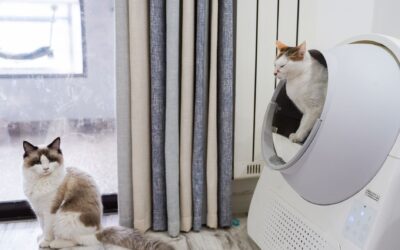
If your automatic litter box is not cycling, the most common reasons are a low battery, a jammed rake or drum, a full waste bin, or a sensor obstruction. These issues prevent the unit from completing its cleaning cycle, but most can be resolved quickly without tools or service calls. Below, you will find a breakdown of each cause and the step-by-step fix you need to get the box working again.
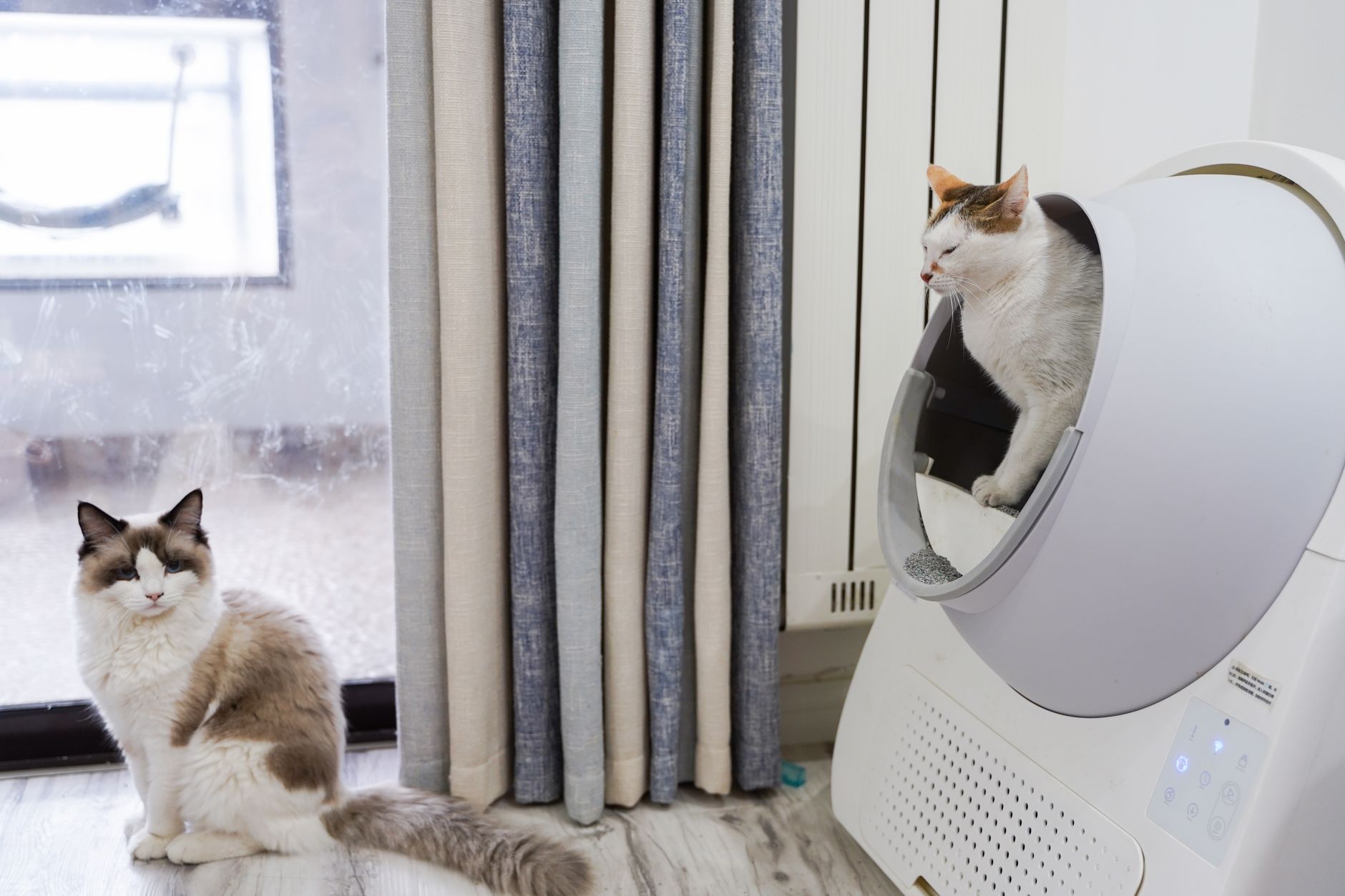
Low Battery or Power Supply Issues
The first thing to check when an automatic litter box is not cycling is its power source. Many units use batteries as a backup or primary power, and a low battery can stop the motor from completing a full cycle. If the box runs on batteries, replace them with fresh ones and test the cycle manually.
For units plugged into a wall outlet, inspect the power cord for damage and ensure the adapter is firmly connected. A loose connection or a tripped circuit breaker can mimic a dead battery. If the unit has a power indicator light, check whether it is on. No light means no power to the motor.
Jammed Rake or Drum Mechanism
A physical jam is one of the most frequent reasons an automatic litter box stops cycling. Clumps of waste, litter clumps, or even a toy or piece of bedding can block the rake or drum from moving. When the mechanism encounters resistance, most units stop the cycle to prevent damage.
To fix this, unplug the unit or remove the batteries. Open the waste compartment and look for any visible obstructions. Use a gloved hand or a plastic tool to remove the blockage, then rotate the mechanism manually to ensure it moves freely. Once clear, plug the unit back in and run a test cycle.
Full Waste Bin or Litter Tray
Most automatic litter boxes have a sensor that detects when the waste bin or litter tray is full. If the bin is overfilled, the unit will refuse to cycle to avoid spilling waste. This is a safety feature, not a malfunction. Check the bin level and empty it if needed.
Some models also have a litter level sensor. If the litter depth drops below a certain point, the unit may not cycle properly. Top off the litter to the recommended fill line and try again. Always use the type of litter specified in the user manual, as some clumping litters can interfere with sensor readings.
Obstructed or Dirty Sensors
Automatic litter boxes rely on optical or mechanical sensors to know when a cat has entered or left the box and when to start a cycle. Dust, litter dust, or dried waste can coat these sensors, making them think a cat is still inside or that the box is empty. This can prevent the cycle from starting or completing.
Clean the sensors with a dry, soft cloth or a cotton swab lightly dampened with rubbing alcohol. Be gentle to avoid scratching the lens. Many units have a sensor cleaning mode or a reset button that you can press after cleaning. Refer to your model’s manual for the exact location of the sensors.
Motor or Gear Failure
If the power source is fine, the mechanism is clear, the bin is empty, and the sensors are clean, the problem may be a failed motor or worn gear. This is less common but can happen after months or years of use. A motor that hums without moving, or a grinding sound during a cycle, points to this issue.
Motor or gear failure usually requires professional repair or replacement of the unit. Check the manufacturer’s warranty before ordering parts. Some brands sell replacement motors or gear kits, but for most users, replacing the entire unit is more cost-effective than repairing it.
Software or Timer Glitch
Some automatic litter boxes have a programmable timer or a delay setting. If the unit is not cycling, the timer may be set to a very long delay or the unit may be in a manual-only mode. Check the control panel or app settings to ensure the auto-cycle feature is enabled and the delay is set correctly.
A simple reset often resolves software glitches. Unplug the unit or remove the batteries for 30 seconds, then plug it back in. This clears the internal memory and restores default settings. If the problem persists after a reset, consult the user manual for a factory reset procedure.
How to Fix an Automatic Litter Box That Is Not Cycling
- Check and replace batteries or verify the power cord connection.
- Remove any visible clumps, toys, or debris blocking the rake or drum.
- Empty the waste bin and add fresh litter to the correct level.
- Clean all sensors with a dry cloth or alcohol swab.
- Reset the unit by unplugging it for 30 seconds.
- Inspect the motor and gears for unusual sounds or resistance.
If you have tried these steps and the unit still does not cycle, the issue may be a hardware fault that requires a replacement.
Related Guides
- Top Litter Robot Alternatives for Multi-Cat Homes
- Automatic Litter Box Keeps Stopping
- How to Clean an Automatic Litter Box
Frequently Asked Questions
Why does my automatic litter box stop mid-cycle?
A mid-cycle stop usually means the unit detected an obstruction, a full waste bin, or a low battery. Check the jammed mechanism first, then empty the bin. If the motor stops with a clicking sound, it may be a gear skipping under load.
Can I manually cycle my automatic litter box?
Yes, most models have a manual cycle button. Press it to force a single cleaning cycle. If the manual cycle works but the auto cycle does not, the issue is likely a timer or sensor problem, not a mechanical one.
How often should I clean the sensors on my litter box?
Clean the sensors every two to four weeks, or more often if you have multiple cats. Litter dust builds up quickly and can cause the unit to miss cycles. Regular cleaning prevents most sensor-related cycling issues.
Does the type of litter affect cycling?
Yes, some clumping litters are dustier or form harder clumps that can jam the mechanism. Use a litter recommended by the manufacturer for best results. Avoid crystal or silica litters unless the manual specifically allows them.
Is it safe to reset my automatic litter box frequently?
Resetting the unit by unplugging it is safe and does not damage the electronics. It clears temporary glitches. However, frequent resets may indicate a recurring hardware issue that needs attention.
An automatic litter box that is not cycling usually has a simple fix like a fresh battery or a cleared jam. If you have tried all the steps above and the problem continues, it may be time to consider a replacement.