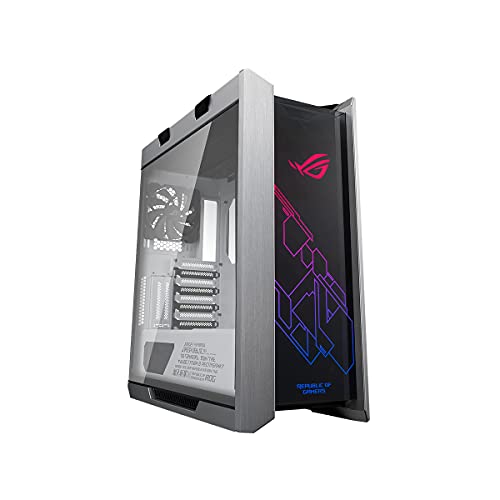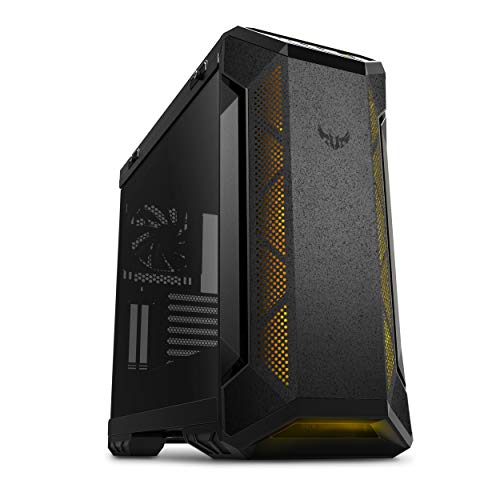
You’ve picked out your CPU, GPU, and motherboard, but now you need a home for all those components without blowing your budget. A PC case is more than just a box; it affects airflow, noise, and future upgrade potential. This guide walks you through the essential factors to consider when shopping for an affordable PC case in 2026, helping you make a smart choice without overspending. If you’re willing to stretch your budget slightly, check out our roundup of top picks under $200 for more premium options.
Buying Guide
Airflow and Cooling Potential
Even on a budget, airflow is critical. Look for cases with mesh front panels, multiple fan mounts, and at least one pre-installed fan. Good airflow keeps your CPU and GPU cool, reducing thermal throttling and extending component life. Avoid solid front panels that choke airflow unless you plan to use liquid cooling.
For compact builds, consider cases with top exhaust vents. Many affordable cases now include tempered glass side panels, which look great but can trap heat if not paired with adequate ventilation. Always check the number of included fans and their sizes (120mm or 140mm).
Build Quality and Materials
Budget cases often use thinner steel or plastic, but that doesn’t mean they’re flimsy. Look for a sturdy chassis with minimal flex. Cases with a powder-coated finish resist scratches and rust. Check the motherboard tray: it should be solid and include standoffs pre-installed for easy assembly.
Some budget models now offer USB-C ports on the front I/O panel, a nice bonus. If you plan to move your PC frequently, a lightweight case with a handle can be a plus. For home theater setups, a low-profile case might be ideal, see our best HTPC cases for ideas.
Cable Management and Space
Good cable management isn’t just about looks; it improves airflow and makes future upgrades easier. Look for cases with ample space behind the motherboard tray for routing cables. Velcro straps or cable tie-down points are a sign of thoughtful design.
Check the clearance for your power supply and graphics card. Many budget cases now support ATX power supplies and long GPUs (up to 330mm), but always verify dimensions. If you’re building a workstation, you might need extra drive bays, our workstation case guide covers larger options.
Size and Form Factor Compatibility
Choose a case that matches your motherboard size: Mini-ITX, Micro-ATX, or ATX. Smaller cases save desk space but can be trickier to build in. Micro-ATX cases strike a good balance between size and expandability. If you plan to add multiple storage drives or a large GPU, a mid-tower ATX case is safer.
For ultra-compact builds, consider a Mini-ITX case that fits under a monitor. However, these often require low-profile coolers and small power supplies. If you’re new to building, a standard mid-tower is easier to work with. Check our budget-friendly picks for more affordable mid-tower options.
Final Thoughts
Choosing a budget PC case comes down to balancing airflow, build quality, and ease of assembly. While we didn’t feature specific models here, brands like Cooler Master, Thermaltake, and Fractal Design consistently offer reliable options in the affordable range. Focus on the features that matter most for your build: good ventilation, solid construction, and enough room for your components. With the right case, you can build a system that performs well and looks great without breaking the bank.
Frequently Asked Questions
What is the best budget PC case for 2026?
The best budget case depends on your specific needs, but popular choices include the Cooler Master MasterBox Q300L and the Fractal Design Focus G. Both offer good airflow, solid build quality, and support for standard components. For more details, see our complete PC cases category.
Are cheap PC cases worth buying?
Yes, as long as you choose a case from a reputable brand. Cheap cases from unknown brands may have poor airflow, sharp edges, or flimsy panels. Stick with established manufacturers that have a track record of quality budget options.
How much should I spend on a PC case?
You can find perfectly good cases in the entry-level range. Spending more typically gets you better materials, more fans, and easier cable management. For most builders, a mid-range case offers the best value, but even the most affordable options can serve well if they meet your airflow and size requirements.
What features are most important in a budget case?
Prioritize airflow (mesh front, multiple fan mounts), good cable management space, and compatibility with your motherboard and GPU size. A tempered glass side panel is nice but not essential. Also check for front I/O ports like USB 3.0 and a headphone jack.