

You have just finished setting up your new Dolby Atmos receiver. The front and surround speakers are in place, but you realize the magic of overhead sound is missing. Ceiling speakers are the key to that immersive bubble of audio, placing rain, helicopters, and ambient effects precisely above you. In this guide, we review four top-rated ceiling speakers from Polk Audio and Micca that excel for Atmos setups. Whether you are building a dedicated theater or upgrading a living room, these picks cover different budgets and room sizes.

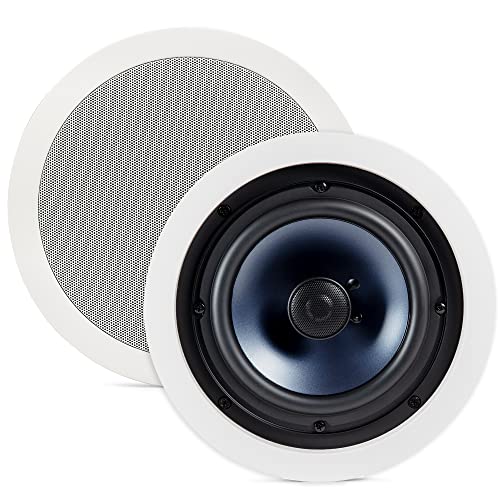
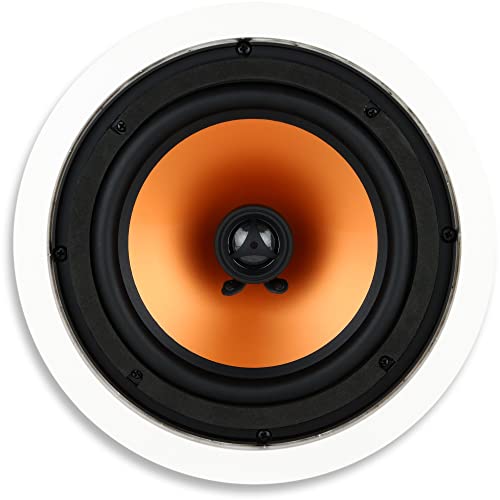


Buying Guide: What to Look for in Ceiling Speakers for Atmos
Speaker Size: 6.5-Inch vs 8-Inch Woofers
Larger woofers produce deeper bass, which matters for low-frequency Atmos effects like thunder or explosions. An 8-inch driver moves more air, giving you richer low end without a separate subwoofer. However, 6.5-inch speakers are easier to fit in tight spaces and still deliver solid midbass. Think of it like choosing a laptop screen size: bigger is often better for immersion, but portability (or ceiling cavity depth) matters. For a balanced approach, the Polk Audio RC80i (8-inch) and Micca M-8C offer that extra punch, while the Polk RC60i and Micca M-6C (6.5-inch) suffice for smaller rooms.
Tweeter Aimability for Precise Soundstage
Atmos relies on directing sound to the listener. A pivoting tweeter lets you aim high frequencies toward the seating area, creating a more convincing overhead effect. Both Polk Audio models feature swiveling silk dome tweeters, while Micca includes a 1-inch pivoting silk dome. This is similar to how a quality webcam lets you frame the perfect shot: adjustability ensures you capture the best experience. Check out our best webcams for first-time buyers for another product that benefits from aiming flexibility.
Moisture Resistance for Humid Environments
Many Atmos installations place ceiling speakers in bathrooms, kitchens, or covered patios. Moisture can damage standard drivers over time. Polk Audio’s RC60i and RC80i use moisture-resistant materials and rubber seals to prevent leaks. Micca models also handle humidity well, but they lack the same level of weatherproofing. If your room sees steam or splashes, the Polk options give extra peace of mind, much like a rugged outdoor watch built for the elements.
Installation Ease and Fit
Cutting a hole in your ceiling is intimidating, but modern ceiling speakers simplify the process. Polk uses a patented secure mounting system that expands behind the drywall. Micca speakers have built-in mounting tabs that grab onto the sheetrock without extra brackets. Both are straightforward, but Micca’s design requires no additional hardware, making it a breeze for DIYers. That convenience is akin to setting up a smart router with an intuitive app: easy setup means you spend less time tinkering and more time enjoying. Our best routers for First-Time buyers guide highlights that same plug-and-play philosophy.
Final Thoughts
After reviewing these four contenders, we find the Polk Audio RC80i 2-Way Premium In Ceiling stands out for rooms where you want effortless, room-filling Atmos performance with its 8-inch woofer and aimable tweeter. For budget-conscious buyers seeking excellent value, the Micca M-8C 8-Inch 2-Way in-Ceiling Speaker, Round delivers impressive clarity and bass at a lower entry point, making it a smart choice for multi-room setups or secondary theaters.
Frequently Asked Questions
Can I use any ceiling speaker for Dolby Atmos?
Yes, any in-ceiling speaker can reproduce Atmos overhead channels, but speakers with aimable tweeters and good frequency response (down to at least 40Hz-50Hz) deliver a more convincing effect. The models we reviewed all meet these criteria for an authentic Atmos experience in 2026.
What size ceiling speaker is best for Atmos?
Eight-inch speakers like the Polk RC80i or Micca M-8C produce fuller bass and are generally preferred for dedicated theaters. Six-and-a-half-inch models (Polk RC60i, Micca M-6C) work well in smaller rooms or where ceiling depth is limited. Choose based on your room size and subwoofer integration.
Do I need special wiring for in-ceiling Atmos speakers?
Standard 16-gauge or 14-gauge speaker wire works fine for runs up to 50 feet. Run the wire through the ceiling before installing the speaker. If your receiver has specific Atmos height channels, connect accordingly. For more on clean, bloat-free setups, see our guide on best smartphones without bloatware emphasizing minimal clutter.
Can I install ceiling speakers myself?
Absolutely. Both Polk and Micca designs include mounting systems that grip drywall without traditional brackets. You need a hole saw, wire, and a screwdriver. Just ensure no joists or pipes are in the cutting path. If you are comfortable with basic DIY, the process takes about 30 minutes per speaker.

