The best place for a bathroom scale is on a hard, flat, level surface in a consistent spot you use daily. Bathroom scales rely on even weight distribution across their sensors, and even a slight tilt or soft flooring can throw off the reading by several pounds. Placing the scale on tile, hardwood, or linoleum in the same location each time gives you the most accurate measurement, because it eliminates variables like carpet compression or uneven subfloors that change the scale’s calibration.
Why Surface Type Matters for Scale Accuracy
The surface under your scale directly affects how its sensors measure weight. Most digital bathroom scales use strain gauge sensors that bend slightly under load, and that bending is converted into a weight reading. A soft surface like carpet or a thick rug absorbs some of the downward force, so the sensors register less deflection and the scale shows a lower weight than you actually are. Even a thin bath mat can cause a small but noticeable error.
Hard surfaces such as ceramic tile, vinyl flooring, hardwood, or concrete provide the rigid base the sensors need. If your bathroom has a textured tile floor, check that the scale’s feet sit flat without rocking. A scale that wobbles on uneven tiles will give inconsistent readings because the load shifts between sensors each time you step on it.
The Problem with Carpet and Bathroom Rugs
Carpet and thick bathroom rugs are the most common culprits behind inconsistent scale readings. The fibers compress differently each time you step on the scale, and the scale’s feet can sink into the padding underneath at slightly different depths. This variability means you might see a different number every time you weigh yourself, even if your weight has not changed.
Some scales come with a carpet mode or special feet designed to work on low-pile carpet, but these features reduce accuracy rather than eliminate it. For the most reliable data, always move the scale to a hard floor for weighing, even if it means stepping out of the bathroom briefly. Consistency matters more than convenience when tracking your weight over time.
Level Ground Is Non-Negotiable
A scale that sits on a sloped or uneven floor will shift weight toward the downhill side, causing one sensor to bear more load than the others. This imbalance produces a reading that is either too high or too low depending on the slope direction and your stance. Most bathroom floors are slightly sloped toward the drain for water runoff, so the center of the room is often the flattest spot.
To check if your floor is level, place the scale on the spot and press down on each corner. If it rocks or wobbles, find a flatter location. You can also use a small bubble level across the scale’s platform to confirm. A perfectly level surface is especially important for digital scales, which are more sensitive to tilt than older mechanical models.
Why Consistency of Location Is Critical
Moving your scale from one spot to another between weigh-ins introduces variables you cannot control. A tile in one corner of the bathroom might be perfectly flat, while another tile a foot away has a slight depression. The subfloor thickness or the type of underlayment can also differ across the room, affecting how much the scale sinks under your weight.
Pick one permanent location for your scale and use it every time. Mark the spot with a small piece of tape if you need to move the scale to clean the floor. This single habit eliminates the biggest source of random error in home weighing and lets you trust that changes on the display reflect real changes in your body, not a change in the floor.
How Temperature and Humidity Affect Digital Scales
Digital bathroom scales contain sensitive electronic components that can drift in extreme temperatures or high humidity. Placing the scale in a bathroom that gets direct sunlight through a window or near a heat vent may cause the internal electronics to warm unevenly, producing a reading that shifts as the scale heats up. Similarly, a scale stored in a cold garage or basement may need a few minutes to reach room temperature before it measures accurately.
Humidity inside a bathroom after a hot shower can also affect the scale’s sensors. Moisture can condense on the internal circuit board or cause the glass platform to fog, which does not directly change the weight reading but can interfere with the electrical connections over time. Keep the scale in a dry area and allow the bathroom to air out before weighing if you have just showered.
What to Do for the Most Accurate Reading
- Place the scale on a hard, flat surface like tile, hardwood, or vinyl.
- Check that the scale does not rock or wobble on the chosen spot.
- Use the same location every time you weigh yourself.
- Weigh at the same time of day, ideally in the morning before eating or drinking.
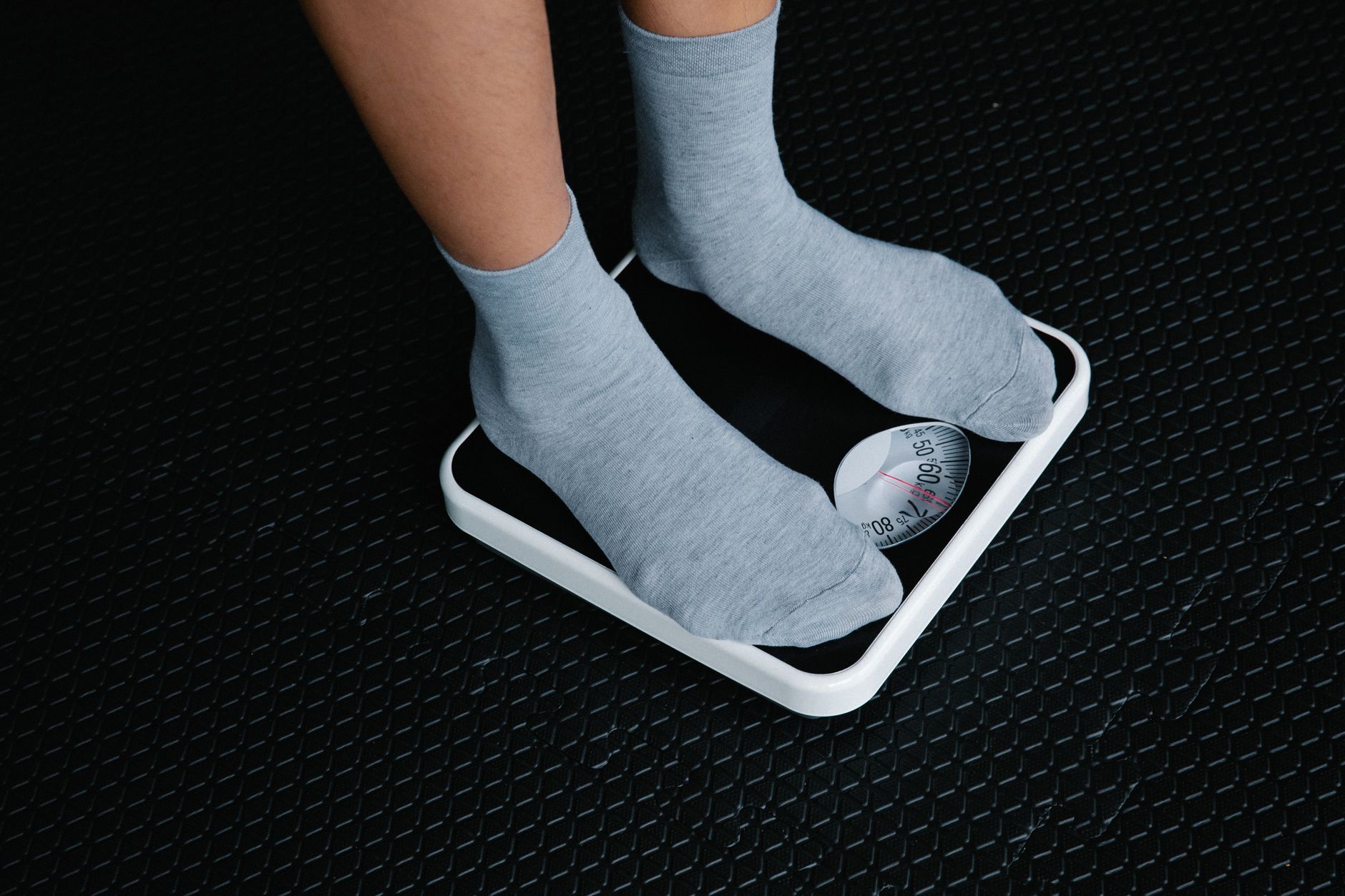
- Step on the scale evenly with both feet centered on the platform.
- Wait for the display to stabilize before stepping off.
Following these steps will give you consistent and trustworthy readings. If you are still seeing numbers that seem off, the issue may be with the scale itself rather than the placement.
Frequently Asked Questions
Can I place my bathroom scale on a rug?
You can, but the reading will likely be inaccurate. Rugs and carpets compress unevenly, causing the scale’s sensors to measure less weight than reality. For tracking weight changes over time, always use a hard floor surface.
Does the scale need to be on a perfectly level floor?
Yes, a level floor is important for accuracy. Even a slight slope shifts your weight toward one side of the scale, overloading some sensors and underloading others. The center of the room is usually the flattest spot.
Why does my scale give different readings on different bathroom tiles?
Tiles can vary in flatness and the subfloor underneath may not be uniform. A tile with a hollow spot or a slight depression will cause the scale to sit unevenly. Stick to one tile location for all weigh-ins.
Should I weigh myself on the same spot every time?
Absolutely. Consistency of location removes floor variability from your readings. Choose one spot and use it every time to ensure that any number change reflects a real weight change, not a floor difference.
Can humidity from a shower affect my digital scale?
Yes, high humidity can cause condensation inside the scale, potentially affecting the electronics over time. It is best to weigh in a dry bathroom or wait until the steam clears after a shower.
Related Guides
- How to Calibrate a Digital Bathroom Scale
- Digital Scale Not Accurate
- Why Is My Bathroom Scale Giving Different Readings?
Get Consistent Results Every Time
For the most accurate reading, always place your bathroom scale on a hard, level surface in the same spot and weigh yourself under the same conditions each day. If you are looking for a new scale that suits your home’s flooring, check out our recommended models in the Health & Household category for reliable options.