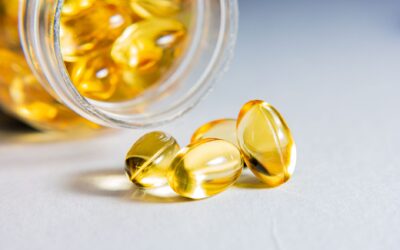
The best time to take astaxanthin is with a meal that contains fat, ideally in the morning or early afternoon. This fat-soluble antioxidant needs dietary fat for absorption, and taking it earlier in the day can help maintain consistent levels in your body throughout your waking hours. When you take astaxanthin with breakfast or lunch, you also avoid potential interference with sleep, although sleep disruption is rare. Understanding when to take astaxanthin is key to getting the most benefit from this powerful supplement.

Why Fat Matters for Astaxanthin Absorption
Astaxanthin is a fat-soluble carotenoid, meaning it dissolves in fat rather than water. Without dietary fat, your body absorbs very little of the supplement. Studies show that taking astaxanthin with a meal containing at least a few grams of fat can increase absorption by several times compared to taking it on an empty stomach.
Good sources of fat to pair with your dose include avocado, nuts, seeds, olive oil, or fatty fish. Even a small amount, such as a tablespoon of coconut oil or a handful of almonds, is enough to make a difference. This is a critical factor when deciding when to take astaxanthin.
Morning vs. Evening: Is There a Better Time of Day?
Most experts recommend taking astaxanthin in the morning or early afternoon. Since it is a potent antioxidant, some users report a mild energy boost, which could interfere with sleep if taken too late. However, individual responses vary, and many people take it at dinner without issue.
If you take astaxanthin primarily for skin protection or exercise recovery, timing matters less than consistency. The key is to pick a time that aligns with your largest meal containing fat, so you remember to take it daily. For most people, breakfast is the most convenient and effective option.
Should You Take Astaxanthin with Other Supplements?
Astaxanthin works well alongside other fat-soluble nutrients like vitamin D, vitamin E, and omega-3 fatty acids. Taking them together in a meal that contains fat can simplify your routine and improve absorption of all of them. However, avoid taking astaxanthin with high doses of other carotenoids like beta-carotene at the same time, as they may compete for absorption.
If you take a multivitamin or other supplements, check whether they contain fat. If they do, taking astaxanthin with them is fine. If they are water-soluble, you still need a separate source of fat. Remember, when to take astaxanthin is less about the clock and more about the presence of fat in your stomach.
Do You Need to Cycle Astaxanthin?
Cycling is not required for astaxanthin. Unlike some antioxidants, it does not accumulate in the body to toxic levels, and long-term daily use is considered safe. Some users choose to take a break for a few weeks every few months, but there is no scientific evidence that this improves results.
If you are new to astaxanthin, start with a lower dose (around 2 to 4 mg per day) and increase gradually. This allows your body to adjust and helps you notice any changes in energy or skin health. Consistency is far more important than cycling when deciding when to take astaxanthin.
How to Get the Most Out of Your Astaxanthin Routine
- Take astaxanthin with a meal that contains at least 5 to 10 grams of fat.
- Choose a consistent time of day, preferably morning or early afternoon.
- Pair it with other fat-soluble supplements like vitamin D or omega-3s for convenience.
- Do not take it on an empty stomach, as absorption will be very low.
- If you experience mild sleep issues, move your dose to earlier in the day.
For a curated selection of high-quality astaxanthin supplements, explore our Health & Household category. That resource can help you find a product that fits your routine and budget, but the timing advice above works for any brand.
Frequently Asked Questions
Can I take astaxanthin on an empty stomach?
Taking astaxanthin on an empty stomach is not recommended. Because it is fat-soluble, your body will absorb very little without dietary fat. Always pair it with a meal or a fat-containing snack to maximize effectiveness.
How long does it take for astaxanthin to work?
Most people notice benefits within 2 to 4 weeks of consistent daily use. Effects on skin, such as improved elasticity and reduced sun damage, may take longer, up to 8 weeks. Results vary by dosage, diet, and individual metabolism.
Can I take astaxanthin with coffee or tea?
Yes, but coffee and tea do not contain fat, so you still need a fat source. If you drink coffee with cream or milk, the fat content may be sufficient. For black coffee, eat a small fat-rich snack like nuts or avocado alongside your dose.
Is it safe to take astaxanthin long-term?
Long-term daily use of astaxanthin is considered safe for most people. Doses up to 12 mg per day have been studied for up to 12 weeks without significant side effects. Always consult your healthcare provider before starting any new supplement regimen.
Related Guides
- Best Astaxanthin with Coconut Oil
- Best Value Astaxanthin Supplements
- Best Astaxanthin Supplements
- Astaxanthin vs Beta Carotene
Final Thoughts
Taking astaxanthin with a fat-containing meal, ideally in the morning, is the most effective way to ensure absorption and consistency. For personalized product recommendations, visit our Health & Household category to find a supplement that fits your needs.