

Capturing the perfect portrait requires a camera that excels in skin tone reproduction, autofocus precision, and lens versatility. Whether you are a professional studio photographer or an enthusiast looking to elevate your family portraits, the right Nikon camera can make all the difference. In this guide, we evaluate two standout models: the high-resolution Nikon Z 8 and the compact Nikon Z 50. Both offer unique strengths for portrait work, and we will help you decide which best fits your style and budget. For more on Nikon’s professional lineup, check out our top nikon professional cameras guide.


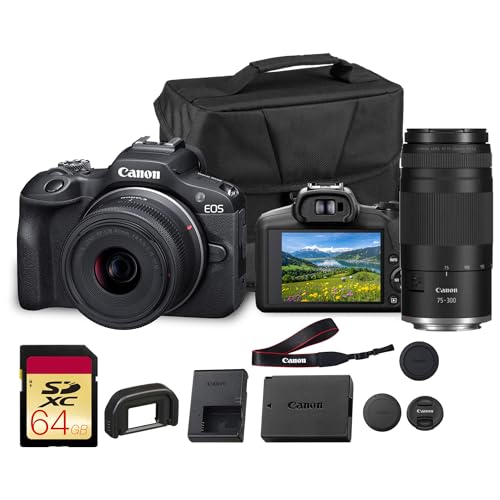


Buying Guide: What to Look for in a Portrait Camera
Resolution and Image Quality
For portraits, high resolution allows you to capture fine details like eyelashes and skin texture, while also offering cropping flexibility. The Nikon Z 8 features a 45.7MP stacked CMOS sensor, delivering stunning clarity and dynamic range. The Nikon Z 50, with its 20.9MP DX sensor, still produces excellent image quality for its class, especially when paired with high-quality Z lenses. Both cameras benefit from Nikon’s EXPEED processing engine for natural color reproduction. If resolution is your priority, the full-frame Z 8 is the clear choice.
Autofocus Performance for Portraits
Reliable autofocus is critical for capturing sharp eyes and expressions. The Nikon Z 8 uses deep learning technology to detect and track people, dogs, cats, birds, and more, even in low light down to -9 EV. Its 3D tracking combined with subject detection ensures your subject stays in focus. The Nikon Z 50 also offers solid autofocus with eye detection for humans, making it a capable companion for casual portrait sessions. For fast-moving subjects or professional shoots, the Z 8’s advanced AF system gives you an edge.
Lens Selection and Versatility
Lenses are the heart of portrait photography. The Nikon Z mount offers a growing library of prime and zoom lenses, including the acclaimed NIKKOR Z 85mm f/1.8 S and the Z 50mm f/1.2 S. The Z 8 is compatible with the full range of Z lenses and also works with F-mount lenses via the FTZ adapter. The Z 50, being a DX camera, pairs perfectly with the Z DX 16-50mm and Z DX 50-250mm lenses included in the kit. This two-lens bundle covers wide-angle to telephoto, giving you flexibility for environmental portraits and close-ups. For more on full-frame options, see our best nikon full frame cameras guide.
Portability and Ease of Use
If you shoot portraits on location or travel frequently, a lightweight setup is invaluable. The Nikon Z 50 is compact and durably constructed, with a flip-down touch LCD screen perfect for self-portraits and vlogging. It weighs significantly less than the Z 8, making it easy to carry all day. The Z 8, while larger, offers a robust build and advanced features like internal 8K video and blistering burst rates. Choose the Z 50 for everyday portability and the Z 8 for uncompromised performance in a studio or on assignment. For a broader look at Nikon’s lineup, visit our Cameras category page.
Final Thoughts
Both Nikon cameras bring exceptional portrait capabilities to the table, but they serve different photographers. The Nikon Z 8 is a powerhouse for professionals who demand the highest resolution, lightning-fast autofocus, and the ability to shoot both stills and video in the most demanding conditions. Its 45.7MP sensor and advanced processing deliver portraits with unparalleled detail and skin tone accuracy. On the other hand, the Nikon Z 50 with Two Lenses offers an affordable, lightweight entry point for enthusiasts who want excellent image quality and the convenience of a versatile kit. Its flip screen and compact size make it ideal for lifestyle portraits and travel. Whichever you choose, you are investing in Nikon’s renowned optical heritage and a camera that will help you capture portraits that truly shine.
Frequently Asked Questions
Which Nikon camera is best for professional portrait photography in 2026?
The Nikon Z 8 is the top choice for professionals due to its 45.7MP sensor, advanced autofocus with deep learning, and skin-softening features. It delivers studio-grade image quality and handles demanding shoots with ease.
Is the Nikon Z 50 good for portraits?
Absolutely. The Nikon Z 50 produces excellent portrait results with its 20.9MP sensor and compatibility with Z mount prime lenses. The included telephoto zoom lens is great for achieving flattering compression and background blur. It is a fantastic choice for hobbyists and content creators.
What lenses are recommended for Nikon portrait photography?
For the Z 8, lenses like the NIKKOR Z 85mm f/1.8 S or Z 50mm f/1.2 S are ideal for portraits. For the Z 50, the Z DX 50-250mm zoom lens provides a great portrait range. You can also use F-mount lenses with the FTZ adapter for more options. For more on Nikon lenses, check our top nikon professional cameras guide.
Can the Nikon Z 8 handle studio portraits?
Yes, the Z 8 excels in studio settings. Its high resolution, accurate color science, and compatibility with strobe systems make it a reliable tool for professional portrait studios. The camera also offers flexible file formats like RAW and HEIF for post-processing flexibility.




