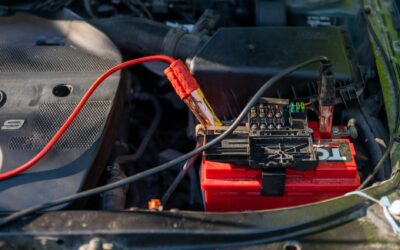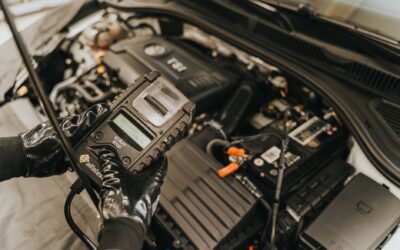
A battery maintainer for car storage is a device that keeps your vehicle’s battery charged at a safe level when the car isn’t driven for extended periods. Without one, parasitic drain from electronics like the clock, alarm, and computer can slowly deplete the battery, leaving you with a dead car when you return. A maintainer automatically adjusts its output to prevent overcharging, so you can leave it connected for weeks or months without worry.


Pros
- Extends battery life with automatic maintenance mode
- Quick disconnect harness adds convenience for frequent use
- Includes multiple accessory cables for different battery types
- Backed by a strong 10-year warranty and lifetime support
Cons
- Lower amperage (1.25A) may not quickly recharge a deeply discharged battery
- Requires access to a standard AC outlet during use
- No display for exact battery voltage, only two-color LED status
The Battery Tender Plus 12V 1.25 Amp Charger and Maintainer is a smart solution for anyone who owns a vehicle that sits idle for weeks or months. Unlike a basic trickle charger, it uses a 4-step charging program that adapts to the battery's condition, ensuring a safe and efficient charge every time. This makes it an excellent choice for motorcycle, ATV, classic car, and lawn mower owners who want to keep their batteries healthy without constant monitoring.
Standout features include the adaptive smart charging technology that automatically switches between bulk, absorption, and float modes. The included quick disconnect harness allows you to leave the connector plugged into the battery and simply snap the charger on when needed. The two-color LED light provides clear feedback on charging status, and if the battery voltage drops too far, the unit resumes full output to bring it back up.
Build quality is solid, with a compact black case that withstands typical garage conditions. The 1.45-pound unit is lightweight and easy to move between vehicles, and the 10-year manufacturer warranty inspires confidence. The fused ring terminals and alligator clips are well-made and provide secure connections.
One potential drawback is the 1.25-amp output, which is designed for maintenance rather than rapid recovery. If your battery is completely dead, this charger may take a long time to bring it back. Additionally, you need a nearby AC outlet, which limits placement in some garages. The LED indicator, while useful, does not show precise voltage, so advanced users may want a more detailed display.
Overall, the Battery Tender Plus delivers exactly what it promises: reliable, automated charging and maintenance for 12V batteries. Its combination of smart features, included accessories, and outstanding warranty make it a top choice for vehicle owners who want to extend battery life without hassle. For the price, it offers excellent value and peace of mind.
Brand: Battery Tender
Model: Plus
Output: 12V, 1.25 AMP
Dimensions: 4.87 x 3.25 x 2.93 inches
Weight: 1.45 pounds
Color: Black
Warranty: 10 years
Included: Charger, fused ring terminals, alligator clips, quick disconnect harness

Pros
- Versatile 12V/24V compatibility with lead-acid, AGM, gel, and LiFePO4 batteries.
- Adjustable current from 2A to 25A plus Auto mode for precise charging.
- Booster mode offers emergency jump-start assistance for 12V batteries.
- Aluminum housing and cooling fan deliver durable, heat-resistant performance.
- 8-stage repair mode helps extend battery life.
Cons
- Booster mode does not work on 24V batteries, limiting its emergency use for some trucks and equipment.
- No customer reviews yet, so long-term reliability is not yet proven.
- At 3.7 pounds, it is heavier than some plastic maintainers, which could be less convenient for portable use.
The E-FAST 25A Smart Car Battery Charger is a heavy-duty charging solution designed for vehicles that demand more power than standard maintainers can supply. It works with both 12V and 24V systems and is compatible with a wide range of battery types including lead-acid, AGM, gel, and LiFePO4. This is a strong fit for truck, SUV, boat, and RV owners who need fast and reliable charging.
What sets this charger apart is its combination of speed and control. It delivers up to 25A for 12V batteries and 15A for 24V batteries, significantly cutting charge time. The five adjustable current settings let you choose from 2A for small batteries like motorcycles and lawn mowers up to 25A for larger 75-400AH batteries, while Auto mode uses internal resistance to pick the optimal rate.
The built-in Booster Mode delivers a 200-second surge current to revive a completely dead 12V battery, making it a practical emergency tool. The 8-stage charging process includes a dedicated 16-hour repair mode that helps reduce sulfation and extend battery life. Temperature sensors adjust charging voltage for winter and summer conditions, and safety protections guard against reverse polarity, sparks, and short circuits.
Build quality is another strong point. The charger is housed in a rugged aluminum alloy shell rather than plastic, and it includes a cooling fan to manage heat during high-amp operation. At 3.7 pounds, it feels substantial, and the dimensions of 8.5 by 4.9 by 7.5 inches make it easy to place in a garage or shop.
One limitation is that Booster Mode works only for 12V batteries, not for 24V systems, so owners of larger trucks may need to keep that in mind. Also, because this is a newer product with no customer reviews yet, there is little field feedback on long-term durability. Still, for its combination of rapid charging, adjustable control, repair modes, and sturdy aluminum casing, the E-FAST 25A offers a compelling package for anyone serious about battery maintenance.
Color: Red
Dimensions: 8.5 x 4.9 x 7.5 inches
Weight: 3.7 pounds
Compatibility: 12V and 24V systems with Lead-Acid (AGM, GEL, SLA, Flooded, EFB) and LiFePO4 batteries
Charge Output: 25A for 12V, 15A for 24V
Adjustable Current: 2A, 8A, 20A, 25A, Auto Mode
Booster Mode: 200-second surge for 12V batteries only
Charging Stages: 8-stage with 16-hour Repair Mode

Pros
- Rapid 15A charging speed
- Automatic voltage detection for 6V and 12V
- Desulfation mode restores battery health
- Compact and lightweight design
- Trusted brand with long history of reliability
Cons
- No digital display or amp meter to monitor charging progress
- Cables may be shorter than some users prefer for large vehicles
- User manual could be more detailed for first-time users
The Schumacher Electric SC1280 is a 4-in-1 battery charger, maintainer, tester, and desulfator designed for 6V and 12V batteries. It targets owners of cars, motorcycles, ATVs, trucks, SUVs, and boats who need a reliable solution for seasonal or infrequently used vehicles.
Its standout feature is the 15A rapid charging that quickly revives dead batteries. The microprocessor automatically detects the battery voltage and selects the appropriate charge rate, while the desulfation mode helps restore battery capacity. This multi-stage charging algorithm maximizes battery life and performance.
The unit is compact at 9.96 x 4.29 x 10.03 inches and weighs only 2.7 pounds, making it easy to store and transport. Schumacher Electric has been manufacturing automotive power products since 1947, so the build quality and reliability are backed by decades of experience.
One potential drawback is the lack of a digital display or amp meter, which some users may miss for tracking charge status. Additionally, the cables might be too short for larger vehicles or inconvenient setups. The manual could be more comprehensive for beginners.
Overall, the SC1280 offers excellent value for its price, providing rapid charging, automatic maintenance, and desulfation in a single device. It is a solid choice for anyone looking to keep their batteries healthy and prevent failures during storage.
Why Car Batteries Lose Charge During Storage
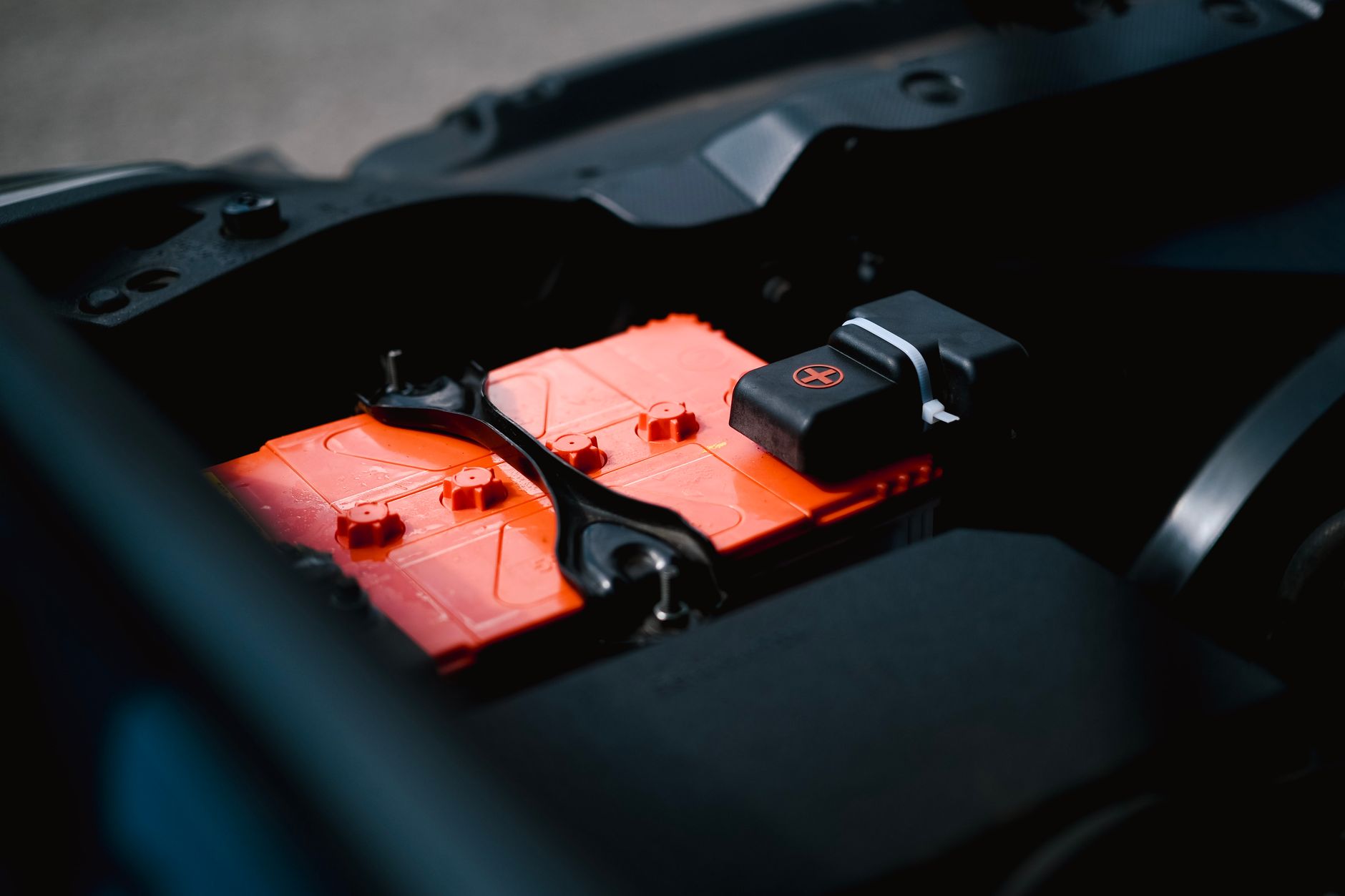
Even when your car is parked, its electrical system draws a small amount of power. This parasitic drain comes from the clock, security system, radio presets, and the engine control unit. Over a week or two, that drain can reduce a healthy battery’s state of charge by several percent. In cold weather, chemical reactions inside the battery slow down, making it harder to start the engine. A battery maintainer for car storage counters this by supplying a low, steady current that keeps the battery topped off without overcharging it.
Common Causes of Battery Drain in Stored Cars
Parasitic draw is the most common reason a stored car’s battery dies. Modern vehicles have dozens of electronic modules that stay awake even when the ignition is off. Depending on the make and model, this draw can range from 20 to 50 milliamps. Over 30 days, that adds up to roughly 15 to 30 amp-hours, which is enough to leave a standard battery too weak to crank the engine.
Temperature extremes also accelerate self-discharge. In cold weather, the battery’s internal resistance increases, reducing its effective capacity. In hot weather, chemical activity speeds up, causing faster self-discharge. Both conditions make a battery maintainer for car storage more valuable because it actively compensates for these environmental effects.
How a Battery Maintainer Works
A battery maintainer is not the same as a battery charger. Chargers deliver a high current to quickly restore a deeply discharged battery, then shut off. Maintainers deliver a much lower current — typically 1 to 2 amps — and use a smart circuit to monitor voltage and adjust output. When the battery reaches full charge, the maintainer switches to a float mode that supplies just enough current to offset parasitic drain. This prevents overcharging, which can damage the battery by boiling off electrolyte.
Most maintainers are designed to be left connected indefinitely. They include reverse polarity protection and spark-proof connectors, making them safe for long-term use. Some models also have a desulfation mode that helps recover batteries that have started to sulfate from sitting discharged.
When You Actually Need a Battery Maintainer
If you store your car for more than two weeks without driving it, a battery maintainer for car storage is a wise investment. Vehicles with high parasitic drain, such as luxury cars with multiple computers or older cars with aftermarket alarms, benefit most. Similarly, if you live in a climate with extreme cold or heat, the battery’s self-discharge rate increases, making a maintainer even more useful.
Short-term storage of a few days rarely requires a maintainer. A healthy battery can handle a week or so of sitting without dropping below a reliable starting voltage. But if you plan to store the car for a month or more, especially during winter, a maintainer prevents the inconvenience of a dead battery and the potential damage of a deep discharge.
How to Use a Battery Maintainer Correctly
- Connect the maintainer to the battery terminals before starting the engine, or better yet, when the car is off. Follow the manufacturer’s instructions for polarity.
- Choose a maintainer rated for your battery type (standard lead-acid, AGM, or lithium) and ensure it has a float mode for long-term connection.
- Place the maintainer in a dry, ventilated area away from fuel or flammable materials. Use the included ring terminals or alligator clips securely.
- Check the battery’s water level if it’s a serviceable type before connecting; distilled water only if low.
- Leave the maintainer plugged in for the entire storage period. Most modern units automatically stop charging when the battery is full and resume as needed.
After connecting, verify the maintainer’s indicator lights show it’s in charging or float mode. If you’re unsure about the condition of your battery, consider having it tested before storage. A battery that won’t hold a charge will still drain even with a maintainer attached.
Frequently Asked Questions
Can I leave a battery maintainer connected all winter?
Yes, that is exactly what a battery maintainer is designed for. It will keep the battery at full charge without overcharging, even over several months. Just make sure the maintainer is rated for continuous use and is placed in a safe location.
Will a battery maintainer damage my car’s electronics?
No, a quality maintainer delivers a regulated, low current that is safe for all vehicle electronics. It connects directly to the battery and does not interfere with the car’s computer or sensors. Always follow the manufacturer’s instructions for your specific vehicle.
How long can I leave a battery maintainer connected?
Most battery maintainers are designed for indefinite connection. They switch to a float or maintenance mode once the battery is fully charged, so you can leave them plugged in for months without risk. Check the product manual for the recommended maximum time.
Do I need a battery maintainer if I drive my car once a week?
Probably not. A short weekly drive of 20 minutes or more usually provides enough charge to keep the battery healthy. However, if your drives are very short or the car sits for two weeks or more, a maintainer can help prevent gradual drain.
Related Guides
Keep Your Car Ready to Go
Using a battery maintainer for car storage is a simple way to ensure your vehicle starts reliably after weeks or months of sitting. It addresses parasitic drain and temperature-related self-discharge without any effort on your part. For more details on choosing the right model, check out our guide on the best battery maintainers for long-term storage.