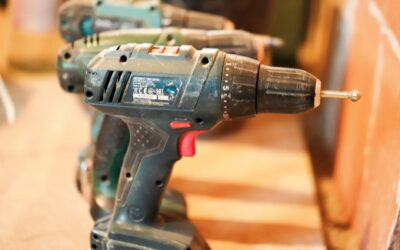
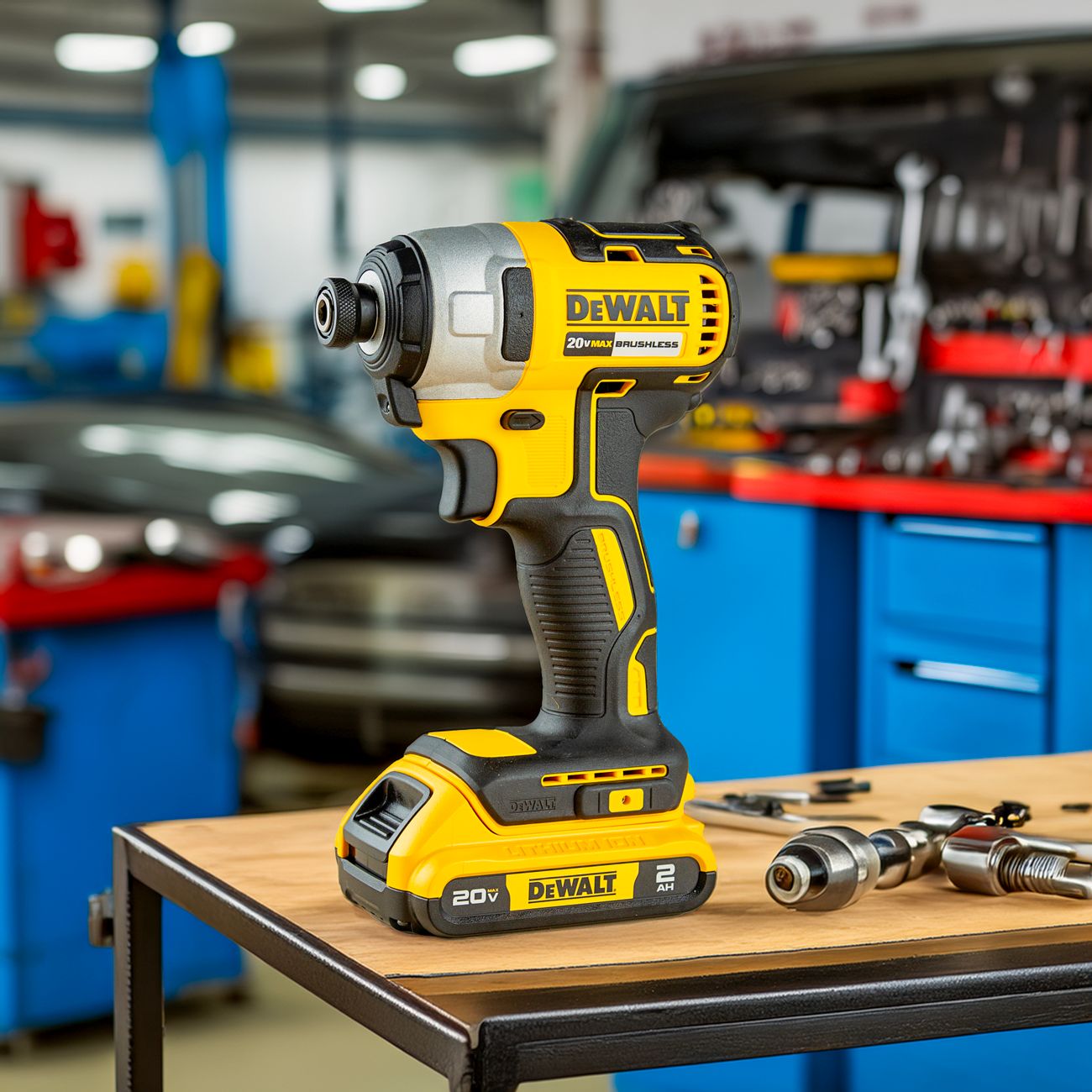
A brushless drill is almost always the better choice for most users because it delivers more power, longer runtime, and greater durability than a brushed drill. The difference comes down to the motor design: a brushed motor uses physical carbon brushes that wear down over time, while a brushless motor uses an electronic controller to regulate power, which eliminates friction and heat buildup. If you use your drill regularly or need maximum performance, a brushless model will save you money in the long run. However, a brushed drill still makes sense for occasional light tasks on a tight budget.
Efficiency and Power Delivery
A brushless motor transfers more electrical energy into mechanical rotation than a brushed motor. In a brushed drill, the brushes create friction and generate heat, which wastes energy. That wasted energy means less torque and speed for the same battery draw.
With a brushless drill, the electronic controller adjusts power to match the load, so you get full torque at low speeds and consistent performance under strain. This makes brushless drills noticeably more powerful for tasks like driving lag screws or drilling into dense materials.
Battery Life and Runtime
Because a brushless motor wastes less energy as heat, it uses battery power more efficiently. You can expect a brushless drill to run significantly longer on a single charge than a comparable brushed model using the same battery.
For cordless tools, this efficiency is a major advantage. If you work on large projects away from an outlet, the longer runtime of a brushless drill means fewer interruptions to swap batteries. A brushed drill will drain batteries faster, especially under heavy loads.
Durability and Maintenance
Brushed motors have physical carbon brushes that press against the rotating commutator. Over time, these brushes wear down and need replacement. Depending on usage, you might need to swap brushes after a few hundred hours of use. If you don’t, the drill can lose power or stop working.
A brushless motor has no brushes to wear out, so it requires less maintenance and generally lasts longer. The motor itself is sealed, which also helps keep dust and debris out. For heavy daily use, brushless is the clear winner in longevity.
Cost and Value
Brushed drills are cheaper to manufacture, so they cost less upfront. You can find a decent brushed drill for a fraction of the price of a brushless model. This makes them an attractive option for someone who only needs a drill occasionally for simple tasks.
However, the lower upfront cost can be misleading if you factor in battery replacements and potential motor repairs. A brushless drill’s higher efficiency means you may need fewer batteries, and its longer life means you won’t replace it as often. Over several years, the brushless drill often ends up being the more economical choice.
Control and Precision
Brushless drills often include electronic features like variable speed triggers, soft start, and brake systems that give you finer control. The electronic controller can maintain a constant speed under load, which helps when driving screws to a consistent depth.
Brushed drills typically have simpler control systems. They can still vary speed with the trigger, but they may not hold speed as well when the load changes. For precision work like cabinetry or delicate fastening, brushless offers a noticeable advantage.
Weight and Size
Brushed motors are physically larger because they include the brush assembly and commutator. A brushed drill is often slightly heavier and bulkier than a brushless drill with the same power output.
A brushless motor can be more compact, allowing manufacturers to design drills that are lighter and easier to handle in tight spaces. If you work overhead or in cramped areas, the reduced weight and size of a brushless drill can reduce fatigue.
How to Choose Between Brushless and Brushed Drills
Your decision depends on your budget, how often you drill, and the type of work you do. Use this checklist to match your needs to the right motor type:
- If you use a drill daily or weekly for heavy work, choose brushless for better power and longevity.
- If you only need a drill for occasional home repairs, a brushed drill can save money upfront.
- If battery runtime is critical, brushless is the clear choice.
- If you prioritize light weight and compact size, brushless drills are typically smaller.
- If you’re on a strict budget and don’t mind shorter battery life, a brushed drill will still get the job done.
For a deeper look at how these motor types perform in specific woodworking applications, read our guide on what to look for in a cordless drill for woodworking. That article covers key features that matter most when working with wood, including motor type, chuck size, and speed settings.
Related Guides
Frequently Asked Questions
Which is more powerful, brushless or brushed?
Brushless motors typically deliver more torque and higher efficiency, so they feel more powerful under load. However, some high-end brushed drills can match brushless models in peak power, but they use more energy to do so.
Are brushless drills worth the extra cost?
For regular users, yes. The longer battery life, reduced maintenance, and better performance often justify the higher price. For occasional use, a brushed drill is a perfectly fine budget option.
Do brushed drills wear out faster?
Yes, because the carbon brushes gradually wear down and need replacement. If you use the drill heavily, the motor can fail after a few hundred hours. Brushless motors lack this wear part and typically last much longer.
Can I use the same batteries for brushless and brushed drills?
If both drills are from the same brand and battery platform, yes. Many manufacturers use the same battery packs across their brushed and brushless tool lines. Always check compatibility before buying.
Is a brushless drill better for DIY beginners?
Not necessarily. A brushed drill is cheaper and easier to understand for light tasks. But if you plan to grow your skills, investing in a brushless drill from the start saves you from upgrading later.
In short, a brushless drill offers better efficiency, power, and longevity, while a brushed drill is a cost-effective choice for occasional use. To learn more about selecting the right drill for specific projects, check out our detailed guide on choosing a cordless drill for woodworking.