You have spent hours refining your playlist, seeking out high-resolution recordings, and tuning your room acoustics. Now the missing piece: speakers that reveal every nuance of the music. Whether you crave the intimate imaging of a near-field monitor or the commanding presence of floorstanders, the right pair transforms your listening experience. This guide covers six outstanding audiophile speakers for 2026, carefully selected for their engineering, clarity, and value. We focus on models from Edifier and Klipsch, two brands known for delivering reference-grade sound without compromise.
If you are building a dedicated listening room or upgrading your home stereo, our picks span different form factors and budgets. For a broader look at home audio, see our guide to the best home audio speakers.



Buying Guide
Driver Technology and Crossover Design
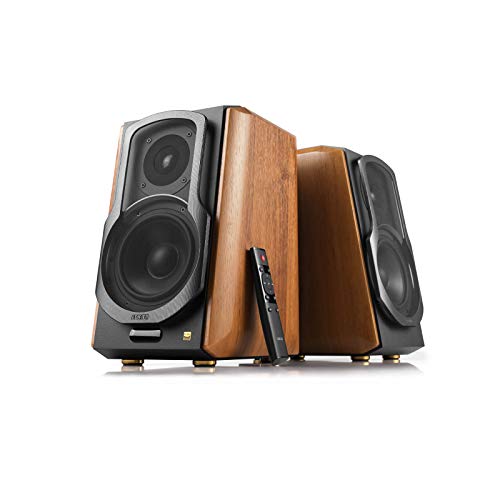
The heart of any audiophile speaker is its drivers. Tweeters with lightweight diaphragms (titanium, aluminum, or silk) deliver crisp, extended highs. Woofers using ceramic-metallic or aluminum alloys provide controlled bass. A well-engineered crossover ensures seamless integration between drivers. For example, the Klipsch Reference Premiere RP-600M II uses a titanium LTS tweeter with a hybrid Tractrix horn for reduced distortion. Similarly, the Edifier S1000MKII combines a titanium dome tweeter with an aluminum mid-bass driver for balanced response.
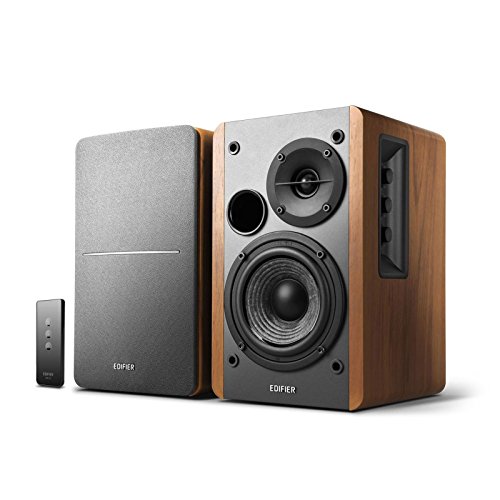
When evaluating speakers, look for proprietary driver materials and crossover points that match your listening preferences. Bookshelf models like the Edifier R1280T use silk dome tweeters for a warm, natural sound, while floorstanding designs often employ larger woofers for deeper bass extension.
Amplification and Power Handling
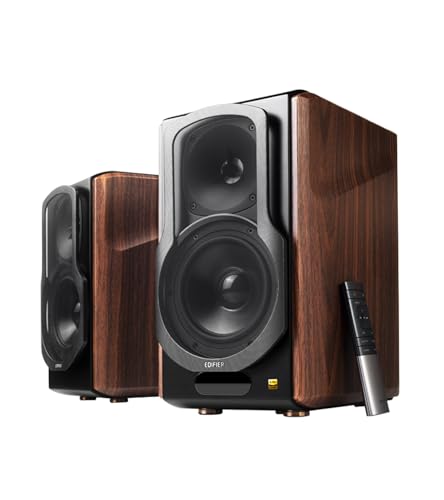
Audiophile speakers need clean power to reveal their full potential. Active models, such as the Edifier S2000MKIII, include built-in amplifiers matched to the drivers, eliminating the need for a separate receiver. Passive speakers like the Klipsch R-51M require an external amplifier but offer flexibility to pair with high-end components. Pay attention to sensitivity and impedance ratings: higher sensitivity (above 90 dB) makes it easier to achieve loud, clean sound with modest amplification.
For those exploring floorstanding options, the top floorstanding speakers under $2,000 provide excellent power handling and dynamic range. If you prefer a compact setup, the best home speakers for music include both active and passive designs.
Room Acoustics and Placement
No speaker performs optimally in a poor acoustic environment. Bookshelf speakers benefit from being placed on stands or shelves at ear level, away from walls to reduce bass boom. Floorstanding speakers with front-firing ports are more forgiving of close-wall placement. The Klipsch Reference R-26FA includes integrated elevation speakers for Dolby Atmos, adding height dimension but requiring careful positioning. Consider your room size: larger spaces may need floorstanding models with dual woofers, while smaller rooms can be served by compact monitors like the Edifier R1280T.
For more on choosing the right speaker for your space, visit our Speakers category page for additional resources.
Connectivity and Streaming Features
Modern audiophile speakers offer multiple input options to integrate with digital sources. Bluetooth with aptX HD (as found on Edifier S1000MKII and S2000MKIII) allows high-resolution wireless streaming. Optical and coaxial inputs connect directly to TVs and DACs. For a pure analog path, the Klipsch RP-600M II provides bi-wiring terminals for separating high and low frequencies. If you stream from a phone or computer, verify that the speaker supports your preferred codec and has low latency.
Final Thoughts
Choosing the right audiophile speaker comes down to your listening habits, room size, and system goals. For a balanced blend of precision and power in a bookshelf design, the Edifier S1000MKII Audiophile Active Bookshelf 2.0 delivers exceptional clarity with its Class D amplification and titanium tweeters. If you crave immersive soundstage and floorstanding authority, the Klipsch Reference R-26FA Floorstanding Speaker brings Dolby Atmos and dynamic bass to your home theater or music room. Both represent the pinnacle of their categories and will elevate your listening experience for years to come.
Frequently Asked Questions
What makes a speaker truly audiophile-grade?
Audiophile speakers prioritize accurate sound reproduction over exaggerated frequency response. They use high-quality drivers, low-distortion crossovers, and often feature premium cabinet construction to reduce resonance. Models like the Klipsch RP-600M II and Edifier S2000MKIII exemplify these traits.
Do I need a separate amplifier for audiophile speakers?
It depends on the speaker. Active speakers (e.g., Edifier S1000MKII) have built-in amplifiers, so you only need a source. Passive speakers (e.g., Klipsch R-51M) require an external amplifier or receiver. Check the speaker specifications before purchasing.
Can I use audiophile speakers for home theater?
Absolutely. Many audiophile speakers, especially floorstanding models like the Klipsch Reference R-26FA, are designed for both music and movies. Pair them with a quality subwoofer for a complete surround sound experience. For more on home theater setups, see our guide to top home speakers.
What is the ideal placement for bookshelf audiophile speakers?
Place bookshelf speakers on stands or shelves at ear height, about 12 to 24 inches from the rear wall to avoid bass buildup. Angle them slightly toward the listening position for optimal imaging. The Edifier R1280T and Klipsch R-51M perform well in near-field setups.
Are wireless audiophile speakers worth considering in 2026?
Yes. With Bluetooth 5.0 and aptX HD, wireless speakers like the Edifier S1000MKII and S2000MKIII deliver near-wired quality. They eliminate cable clutter while maintaining high-resolution audio. For critical listening, wired connections still offer the lowest latency and highest fidelity.