

You’re deep in a ranked match, and the faint rustle of an enemy’s footsteps from behind gives you the split-second advantage you need. But with closed-back headsets, sounds can feel trapped, muffled, or artificially processed. That’s where open back gaming headsets shine: they let air pass through the ear cups, creating a broad, natural soundstage that helps you pinpoint every audio cue with precision. Whether you’re a competitive player chasing positional accuracy or a casual gamer craving richer immersion, our guide evaluates nine of the best models on the market in September 2026. We’ve examined build, comfort, and audio performance to help you choose wisely. For more context on how these headsets compare, check out our Headsets category page.
Open back designs also allow you to hear your own voice naturally, removing the need for mic monitoring, and they reduce ear fatigue during long sessions. From budget-friendly picks to premium studio-grade options, we cover a range of brands including EPOS, Sony, Audio-Technica, PHILIPS, and FIFINE. Let’s dive into the full lineup and see which set of cans fits your playstyle and budget.





Buying Guide: What to Look for in an Open Back Gaming Headset
Soundstage and Audio Precision
An open back gaming headset’s main strength is its expansive soundstage. The open ear cups reduce internal reflections, giving you a sense of space and direction that closed designs often lack. Look for drivers that deliver clean highs, natural mids, and controlled bass without overwhelming the other frequencies. For example, the Sony INZONE H6 Air uses 40mm drivers adapted from studio monitor headphones, while the Audio-Technica ATH-GDL3WH features 45mm drivers for detailed sound.
If you play competitive shooters or open-world RPGs, a headset with accurate positional audio will help you react faster. Many models also offer virtual surround sound via USB connections, like the FIFINE H18V Lite series. For a deeper look at sound quality, read our guide on top sound quality gaming headsets for immersive play.
Comfort and Build Quality
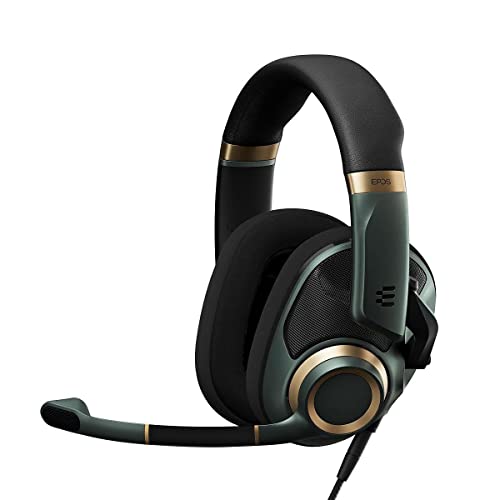
Marathon gaming sessions demand a headset that stays comfortable hour after hour. Lightweight construction, breathable ear cushions, and a well-padded headband are essential. The EPOS H6Pro series weighs only around 250 grams while the Audio-Technica ATH-GDL3WH is under 220 grams, making them nearly unnoticeable during play. Open back designs naturally allow heat to escape, but the material of the ear pads matters too: leatherette can get sweaty, while mesh or velour fabrics stay cooler.
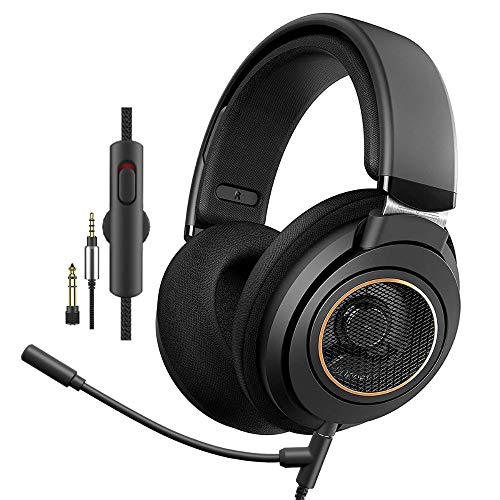
Also consider durability: metal-reinforced headbands and detachable cables extend the life of your investment. The PHILIPS SHP9600MB includes numbered headband adjustments so you can lock in your perfect fit. If communication quality matters to you, our best gaming headsets with good mics article covers more options.
Microphone Quality and Connectivity
Clear voice communication can make or break team play. Most open back gaming headsets include a detachable boom microphone, which helps eliminate background noise and focuses on your voice. The EPOS H6Pro features a redesigned slim boom with a cardioid pickup pattern, while the FIFINE H18V Lite includes an in-line control box for mute and volume. If you use a dedicated studio microphone, a detachable boom lets you swap out the mic easily.
Connectivity varies: some headsets use a single 3.5mm jack for multiplatform use, while others include USB for virtual surround or additional controls. The Sony INZONE H6 Air works with PC and PS5 via USB-C audio box, and the FIFINE models offer both 3.5mm and USB for wide compatibility with consoles and mobile devices. For cross-platform gamers, this flexibility is key.
Open Back vs. Closed Back: Which Is Right for You?
If you game in a quiet environment and prioritize natural soundstage, open back is ideal. The tradeoff is sound leakage: people nearby can hear what you’re playing, and you’ll hear ambient noise. Closed backs isolate better but can sound more congested. For most solo or online gaming without distractions, open back provides superior immersion. If you need a headset for both gaming and commuting, consider a closed back model.
Still unsure? Our roundup of best gaming headsets with mic includes both open and closed designs for comparison.
Final Thoughts
After evaluating all nine open back gaming headsets, we recommend the EPOS H6Pro Open Acoustic Gaming with Mic for its exceptional balance of clarity, comfort, and build quality, making it a top choice for competitive players. For those on a tighter budget who still want a wide soundstage and a detachable mic, the PHILIPS Over The Ear Studio Headphones deliver impressive audio performance at a great value. Whichever you choose, an open back headset will transform how you experience your favorite games.
Frequently Asked Questions
Are open back gaming headsets good for competitive gaming?
Yes, open back headsets excel in competitive play because their natural soundstage helps you hear directional cues like footsteps and gunfire more accurately. They reduce internal echo, giving you a clearer sense of space. Many pros use open back models for this reason.
Do open back headsets leak sound?
Yes, open back designs leak sound outward, and you can hear ambient noise around you. This is a trade-off for the spacious audio. If you play in a shared room or need privacy, consider a closed back headset instead.
Can I use an open back gaming headset with my PS5 or Xbox?
Most open back gaming headsets with a 3.5mm jack work with PS5, Xbox Series X/S, and Nintendo Switch. Some models like the EPOS H6Pro also support PC and PlayStation consoles. For Xbox, ensure the headset has a compatible 3.5mm connection. Check our gaming headsets with mic guide for platform-specific picks.
What is the difference between open back and closed back gaming headsets?
Open back headsets have vented ear cups that let air and sound pass through, creating a wider, more natural soundstage. Closed back headsets seal the ear, providing better noise isolation and stronger bass response. Choose open back for immersive spatial audio in quiet environments, and closed back for noise blocking.


