

Imagine you’re sitting in a coffee shop, connected to public Wi-Fi, and you just realized you need to check your bank account. Your heart skips a beat as you think about the potential risks. This is a common scenario for many, and it’s exactly why more people are turning to OpenVPN routers. These devices let you secure your entire network, not just a single device, giving you peace of mind whether you’re at home or on the road.
In this guide, we’ll explore some of the best OpenVPN routers available in 2026, focusing on models that combine strong VPN support with user-friendly features. Whether you’re a frequent traveler needing a pocket-sized solution or a homeowner wanting to protect every device in your house, we’ve got you covered. We’ll break down what makes each router special and help you decide which one fits your lifestyle.
For a broader look at securing your network, check out our guide to the best WiFi routers for VPN to see more options beyond just OpenVPN support.

Pros
- Exceptional range and WiFi signal strength even at distances from the router
- Simple setup process that takes just minutes with clear instructions
- Handles multiple devices and heavy network traffic without lag or performance drops
- Excellent value for the price with WiFi 6 performance at an affordable cost
- CISA Secure-by-Design pledge ensures advanced security features built into the device
Cons
- Requires a separate modem for internet connection, which may be an additional purchase
- Phone app setup can be problematic for some users, though web browser setup is more reliable
- Dual-band design does not support the 6 GHz band like higher-end WiFi 6 routers
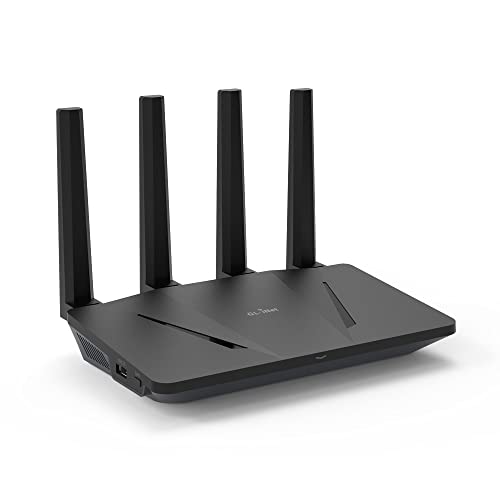
The TP-Link Archer AX21 is a dual-band WiFi 6 router engineered for households seeking a significant upgrade from older networking equipment. It delivers 1.8 Gbps total bandwidth (1200 Mbps on 5 GHz, 574 Mbps on 2.4 GHz) and is compatible with all major internet service providers. This router is ideal for families with multiple connected devices, gamers, streamers, and anyone frustrated with slow or unreliable WiFi performance.
The standout feature of this router is its exceptional range and coverage capability. Four high-gain antennas combined with advanced beamforming technology focus signal strength toward your devices, ensuring strong connections even in distant rooms or areas with obstacles. WiFi 6 technology with OFDMA support allows the router to communicate with multiple devices simultaneously, eliminating the congestion and slowdowns common with older routers handling heavy network traffic.
Setup is remarkably straightforward, with users reporting successful connections in just minutes using either the mobile app or web browser interface. The router features a modern, compact black design that fits discreetly in most home environments. Built-in security includes WPA3 protocol support and compliance with the CISA Secure-by-Design pledge, giving you confidence in your network's protection. Additional features include VPN server support, parental controls, and Alexa voice integration for hands-free management.
The primary consideration is that this router requires a separate modem for internet connectivity, which may mean an additional purchase if you don't already have one. The phone app can occasionally present setup challenges, though the web browser interface provides a more reliable alternative. As a dual-band router, it does not support the 6 GHz band available on premium WiFi 6E models.
The Archer AX21 represents exceptional value for budget-conscious buyers seeking genuine WiFi 6 performance. With industry-leading support, a 2-year warranty, and proven reliability from a trusted networking brand, this router delivers the speed and coverage upgrades that frustrated users consistently praise in real-world usage.
Wireless Performance: WiFi 6 (802.11ax), AX1800 with 1.8 Gbps total bandwidth, 1200 Mbps on 5 GHz band, 574 Mbps on 2.4 GHz band.
Connectivity: 4 high-gain fixed antennas, beamforming technology, OFDMA support, 5 ports (Gigabit Ethernet), Alexa voice control compatible.
Security: WPA/WPA2, WPA/WPA2-Enterprise (802.1x), WPA3 protocol, OpenVPN and PPTP VPN server support, CISA Secure-by-Design pledge signatory.
Physical: Dimensions 10.28 inches L x 5.3 inches W x 1.61 inches H, weight 1.1 pounds, black color, 12V power adapter included.
Support: 2-year manufacturer warranty, 24/7 technical support at +1 866-225-8139, compatible with Internet Explorer 11+, Firefox 12.0+, Chrome 20.0+, Safari 4.0+.
Is This Router Right for You? The Archer AX21 is ideal if you're upgrading from a router older than 5 years, experiencing slow speeds despite paying for higher-tier internet plans, or adding numerous smart home devices that overwhelm your current network. It's perfect for households with 2,000-3,000 square foot homes seeking reliable coverage without premium pricing.
What You'll Need: A cable or DSL modem (not included), active internet service provider subscription, and a compatible browser for setup. Most major ISPs like Comcast, Charter, AT&T, Verizon, and Spectrum are fully supported without additional configuration.
Setup Expectations: Plan 10-15 minutes for initial configuration using either the Tether mobile app or web browser interface. The included ethernet cable and quick installation guide make the process straightforward even for non-technical users. Consider using the web browser setup method if you encounter app-related issues.
Performance Considerations: Actual speeds depend on your internet plan, distance from the router, obstacles like walls, and the number of connected devices. The router's 1.8 Gbps capacity is more than sufficient for gigabit internet plans and handles streaming, gaming, and video conferencing simultaneously without degradation.
Buying Guide: What to Look for in an OpenVPN Router
VPN Protocol Support
Not all VPN routers are created equal when it comes to protocol support. While OpenVPN is a must-have for its security and flexibility, you should also check if the router supports WireGuard. WireGuard is a newer, faster protocol that can significantly boost your VPN speeds, which is great for streaming and gaming.
Look for routers that offer both protocols, as this gives you the flexibility to choose based on your needs. For instance, the GL.iNet GL-AX1800(Flint) supports both OpenVPN and WireGuard, making it a versatile choice for different use cases.
Processing Power and VPN Throughput
VPN encryption requires processing power. If your router has a weak CPU, your internet speeds will suffer when the VPN is active. Look for routers with at least a dual-core processor and sufficient RAM to handle encryption without bottlenecking your connection.
For example, the GL.iNet GL-AX1800(Flint) is rated for WireGuard speeds up to 500 Mbps, which is excellent for most home connections. If you have a slower internet plan, even a less powerful router might be sufficient, but it’s always better to have headroom.
Coverage and Number of Devices
Consider the size of your home and how many devices you’ll connect. A router with multiple high-gain antennas and beamforming technology will provide better coverage in larger spaces. Also, check the device limit; some routers can handle over 100 connected devices, which is great for smart homes.
For larger homes, you might want a router that supports mesh Wi-Fi, but for most users, a single powerful router like the TP-Link AX1800 WiFi 6 Router (Archer AX21 V5) with its four high-gain antennas will do the job. You can also read our best VPN routers for home for more tailored advice.
Ease of Setup and Management
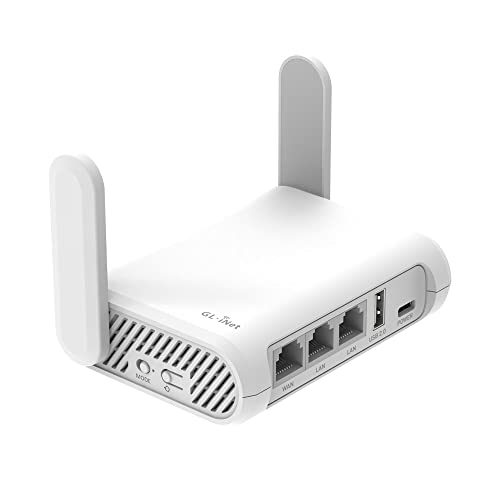
Not everyone is a tech expert, so look for routers with user-friendly apps or web interfaces. Many modern routers offer step-by-step guides to help you configure your VPN in minutes. Some even have physical toggle switches to turn the VPN on or off, like the GL.iNet GL-SFT1200 Opal Travel Router.
If you’re new to VPNs, a router with pre-installed VPN clients and clear instructions will save you a lot of headaches. You can also check out our best VPN routers for more insights.
Final Thoughts
Choosing the right OpenVPN router ultimately comes down to your specific needs: if you’re a frequent traveler, the GL.iNet GL-SFT1200 Opal Travel Router offers portability and built-in VPN support with a physical toggle for easy use, while for a home network that needs to handle many devices and fast speeds, the GL.iNet GL-AX1800(Flint) WiFi 6 Router is a fantastic choice. Both options provide excellent OpenVPN compatibility, but they cater to different lifestyles, so think about where you’ll be using your router the most.
Frequently Asked Questions
What is an OpenVPN router and why do I need one?
An OpenVPN router is a router that has OpenVPN client software pre-installed, allowing you to connect to a VPN service directly from the router. This secures all devices on your network, including smart TVs, gaming consoles, and IoT devices, without needing to install VPN software on each one. It’s an excellent way to ensure your entire internet traffic is encrypted and private.
Can I use any VPN service with these routers?
Most OpenVPN routers are compatible with a wide range of VPN providers, as long as they support OpenVPN protocol. Some routers also support WireGuard, which is becoming increasingly popular. Before purchasing, check if the router has a list of compatible VPN services or if you can manually configure your VPN provider’s settings. Many providers offer setup guides for specific router models.
Will using a VPN router slow down my internet speed?
Using a VPN router can slow down your internet speed due to the encryption process, but the impact varies depending on the router’s processing power and your internet plan. High-end routers with faster CPUs can handle VPN speeds of several hundred Mbps, which is more than enough for most activities. For the best performance, look for routers that support WireGuard, as it’s typically faster than OpenVPN.
How do I set up a VPN on my router?
Setting up a VPN on a router usually involves logging into the router’s admin panel, finding the VPN client settings, and entering your VPN provider’s server details. Some routers have a simple app that guides you through the process, while others require manual configuration. Many VPN providers offer step-by-step tutorials for popular router models, making the process easier. If you’re looking for a travel-friendly option, check out our best mobile hotspot routers for more ideas.


