

You have your hunting spot scouted, your stand set, and your gear ready. But without reliable trail cameras, you are essentially guessing where the bucks are moving. The best trail cameras for deer hunting deliver real-time intel on deer patterns, helping you place your stand exactly where it counts. In this guide, we review seven top-rated models for 2026, covering both cellular and non-cellular options so you can choose the right setup for your property. Whether you need instant photo delivery to your phone or a rugged, no-frills camera for deep woods, we have you covered. For a broader look at top trail cameras across all uses, check out our best trail cameras for wildlife scouting guide.





Buying Guide: What to Look for in a Deer Hunting Trail Camera
Trigger Speed and Detection Range
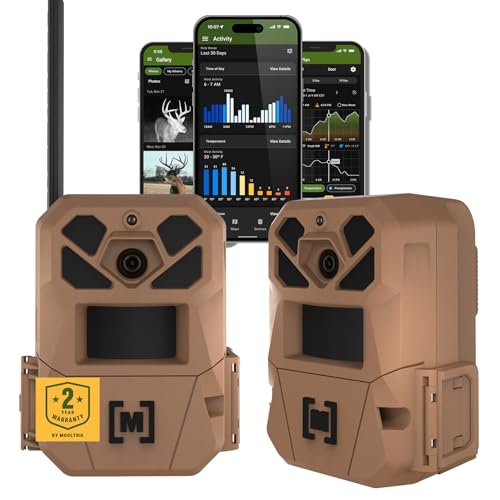
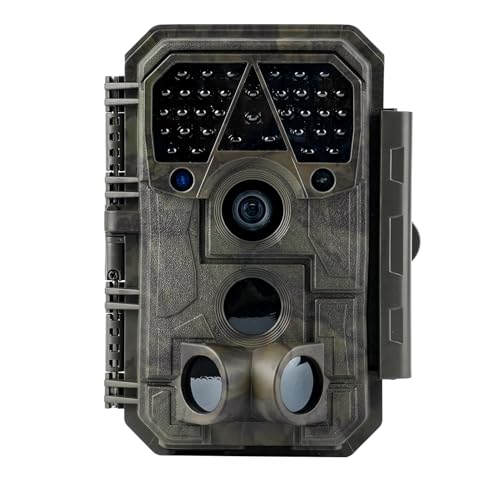
Deer move fast, and a slow trigger means blurry photos or missed opportunities. Look for cameras with a trigger speed of 0.5 seconds or faster. Models like the Meidase P70 boast a 0.1-second trigger, while the WOSPORTS Trail Camera offers 0.2-second response. A wide detection angle (100 to 120 degrees) also helps capture deer approaching from the side. For cellular models, the Moultrie Edge 3 combines a 0.5-second trigger with a 100-foot range, ensuring you catch every buck that steps into your plot.
Night Vision Quality
Most deer movement happens at dawn, dusk, and overnight. No-glow infrared LEDs are ideal because they are invisible to animals and won’t spook them. The WOSPORTS uses 32 pieces of 940nm IR LEDs for clear black-and-white images, while the MagicEagle cellular camera also employs 940nm LEDs for stealthy nighttime capture. If you need color night images, some cameras offer low-glow IR, but for deer hunting, no-glow is the standard. Check out our best cellular trail cameras roundup for more on night vision performance.
Cellular vs. Non-Cellular Connectivity
Decide whether you need real-time photo delivery or are okay checking SD cards manually. Cellular cameras like the SPYPOINT Flex-M Twin and Moultrie Edge 3 send images directly to your phone, saving trips into the woods. They require a data plan (often starting at $10/month) but offer instant alerts when a buck is on camera. Non-cellular models, such as the WOSPORTS and Meidase P70, are more affordable and have no monthly fees, making them ideal for remote areas with poor signal or for hunters who prefer hands-on scouting. For a deep dive on wireless options, read our best wireless trail cameras article.
Battery Life and Power Options
Changing batteries in the middle of hunting season is a hassle. Look for cameras that support extended battery life or solar charging. The MagicEagle cellular camera packs a massive 13,000mAh battery and includes a solar panel for near-infinite power. The MAXDONE Solar Trail Camera also features a built-in 6000mAh battery and a split solar panel design. For non-cellular options, the WOSODA Mini 4-pack comes with batteries included and offers low power consumption for months of use. Consider your setup frequency: if you visit your camera every few weeks, standard AA batteries work fine; if you want set-it-and-forget-it, solar is the way to go.
Final Thoughts
Choosing the best trail cameras for deer hunting ultimately comes down to your hunting style and property layout. If you value instant updates and want to minimize foot traffic near your stand, the SPYPOINT Flex-M Twin, Cellular Trail Camera offers unbeatable value with its free photo plan and cross-carrier coverage. For hunters who prefer a rugged, no-subscription approach with excellent image quality, the WOSPORTS Trail Camera(Non-Cellular Non-WiFi) delivers crisp 4K video and 0.2-second trigger at a budget-friendly price. Both models have been thoroughly evaluated for reliability and performance, so you can set them up with confidence this season.
Frequently Asked Questions
What trigger speed is best for deer hunting?
For deer, a trigger speed of 0.5 seconds or faster is ideal. The Meidase P70 and MAXDONE Solar Trail Camera both achieve 0.1-second triggers, which capture even fast-moving bucks without blur. Most modern trail cameras meet this threshold, but always check the specs before buying.
Do I need a cellular trail camera for deer hunting?
Not necessarily. Cellular cameras send photos to your phone in real time, which is great for monitoring high-traffic areas without disturbing the area. However, if you have good cell signal and want to save on monthly fees, non-cellular models work just as well for scouting. Many hunters use a mix of both: cellular on primary food plots and non-cellular on travel corridors.
How long do trail camera batteries last in 2026?
Battery life varies widely. Non-cellular cameras with efficient IR LEDs can run for 6 to 12 months on a set of 8 AA batteries. Cellular cameras drain faster due to data transmission, typically lasting 2 to 4 months. Solar-powered models like the MagicEagle and MAXDONE can run indefinitely if they receive adequate sunlight. For a deeper look at battery options, check our Cameras category page for more guides.
Can I use a trail camera for home security?
Yes, many trail cameras double as outdoor security cameras. Models with time-lapse and motion detection, like the WOSPORTS and MagicEagle, work well for monitoring driveways, sheds, or backyards. However, they lack features like two-way audio and high-resolution video found in dedicated security cameras. For home security, you might prefer a smart doorbell camera instead; see our best smart doorbell cameras review.




