

Picture this: you wake up at dawn, eager to check your trail camera, only to find blurry, overexposed photos of an empty field. Or worse, you miss the shot of a lifetime because the camera’s trigger lag let a buck slip by. If you’re a hunter, wildlife enthusiast, or just a curious homeowner, you know that choosing the right trail camera is the difference between thrilling discoveries and frustrating misses. In this guide, we’ve evaluated top-rated models to help you find the best trail cameras for wildlife, covering everything from budget-friendly non-cellular options to advanced solar-powered units. Whether you’re scouting deer patterns or monitoring backyard critters, this review will simplify your decision.
We know that every outdoor setting is unique, so we’ve included a diverse range of cameras with different strengths. You’ll learn about key features like night vision range, trigger speed, and battery life, plus how to match them to your specific needs. For more in-depth guidance, check out our comprehensive trail camera buying guide to see how these picks fit into the bigger picture. Let’s dive in and find your perfect wildlife-watching companion.




Buying Guide: How to Choose the Best Trail Camera for Wildlife
Image Quality and Resolution
When it comes to identifying wildlife, megapixels matter, but so does the sensor’s performance in low light. Look for a camera that offers at least 30MP for clear photos, but remember that higher resolution isn’t everything. A larger aperture lens, like f/1.6 or f/1.8, lets in more light, which is crucial for crisp nighttime shots.
For videos, 1080p is the standard, but 4K or 1296p gives you extra detail for identifying subtle markings. Consider what you’ll do with the footage; if you need to zoom in on a buck’s antlers, higher resolution is worth the investment. For more tips on choosing the right resolution, see our camera buying resources.
Trigger Speed and Detection Range
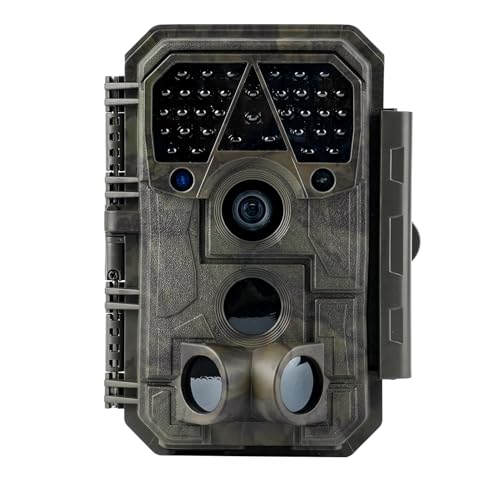
Wildlife moves fast, and a slow trigger speed means missed opportunities. Look for a trigger speed of 0.5 seconds or faster; premium models like the GardePro E5S boast an impressive 0.1s, which is perfect for catching quick-moving deer. The detection range also matters, with 100 feet being a good benchmark for most scouting scenarios.
Consider the detection zone’s width, as a wider angle (120 degrees or more) covers more ground, reducing the chance of animals passing by unnoticed. Side sensors can also help, as they pick up motion from the side, so you don’t have to aim the camera perfectly.
Night Vision and Flash Type
Most trail cameras use infrared (IR) LEDs for night vision, but not all IR is created equal. Low-glow IR emits a faint red glow that can spook animals, while no-glow or black IR is invisible, making it ideal for skittish wildlife. The range of the IR flash is also critical; look for at least 60-80 feet for clear nighttime images.
For the most discreet monitoring, choose a camera with no-glow IR, like the WOSPORTS Trail Camera, which uses 940nm LEDs. If you’re monitoring a feeding area or food plot, a longer-range IR might be more valuable. Remember, the best trail cameras for wildlife balance night vision quality with minimal disturbance.
Power Source and Battery Life
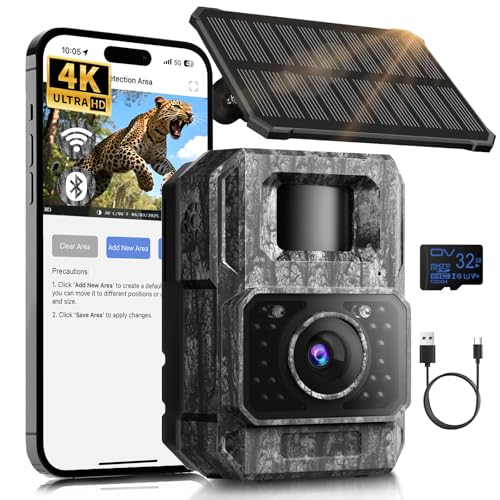
Battery life is a make-or-break factor, especially for remote locations. Traditional AA battery-powered cameras are reliable, but you’ll be replacing batteries often. Solar-powered options, like the Misstech Solar Trail Camera, offer a set-and-forget solution, ideal for long-term monitoring. Consider the trade-off between initial cost and ongoing convenience.
Some cameras also support external solar panels or rechargeable battery packs, giving you more flexibility. For extended trips, a camera with low power consumption and a long standby time is essential. Always check the number of batteries required and consider carrying spares, especially during colder months when battery life drops.
Final Thoughts
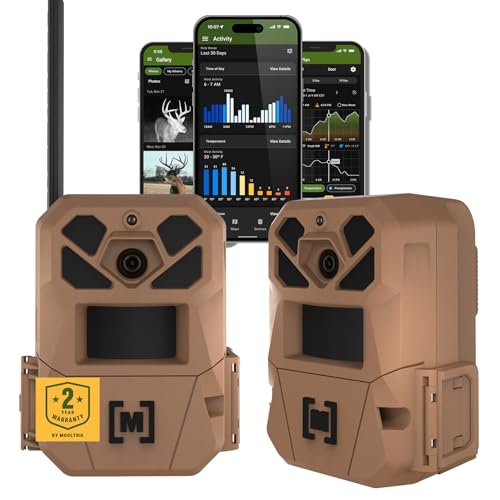
Choosing the best trail camera for wildlife ultimately comes down to your specific needs, whether that’s scouting a hunting property or simply enjoying backyard visits. For those who want a reliable, no-fuss option with excellent image quality, the WOSPORTS Trail Camera is a fantastic choice, offering 4K video and a fast trigger at a great value. If you prefer the convenience of cellular connectivity and instant alerts, the Moultrie Edge 3 Cellular Trail Camera is a top-tier pick, delivering real-time updates and AI buck detection. Both cameras excel in their respective categories, ensuring you’ll capture every moment with confidence.
Related Guides
Frequently Asked Questions
What is the best resolution for a trail camera?
For most wildlife scouting, a camera that captures at least 30MP photos and 1080p video is sufficient. However, if you need to identify specific animals or read ear tags, consider a 64MP or 4K model, which provides more detail for cropping. In 2026, 64MP and 4K are becoming more common, offering excellent clarity without breaking the bank.
How do I choose between a cellular and non-cellular trail camera?
If you need real-time updates and the ability to check your camera remotely, a cellular model is the way to go. However, keep in mind that cellular plans often come with monthly fees. Non-cellular cameras are more budget-friendly and offer total privacy since your images stay on the SD card. For more on this, check out our best cellular trail cameras.
Can I use a trail camera for home security?
Yes, trail cameras are excellent for home security, especially for monitoring large properties, sheds, or entry points. Their motion-activated features and night vision can capture intruders or wildlife activity. Look for models with a sturdy build and weatherproofing to withstand the elements. For broader security needs, you might also consider a smart doorbell camera, but trail cams are a great option for remote areas.
How do I set up a trail camera for the best results?
To get the best results, mount your camera about 3-4 feet off the ground, angled slightly downward. Clear away any vegetation that might block the field of view or trigger false motion. Position it near game trails, water sources, or food plots for maximum activity. Always test the camera’s detection range and adjust the settings for your specific location.




