

You set up a trail camera hoping to catch that mature buck moving through the timber, but instead you get blurry images, false triggers from swaying branches, or a dead battery after two days. Choosing the right trail camera makes the difference between actionable scouting data and a frustrating season. This guide covers two top-rated models for 2026: one built for rugged, off-grid use and another that delivers real-time intelligence straight to your phone. Whether you are a hunter, a wildlife enthusiast, or a property owner monitoring remote areas, these picks will help you capture every movement.
For more ways to secure your outdoor spaces, check out our review of best outdoor PoE security cameras for 2026. While trail cameras focus on wildlife, PoE cameras offer continuous wired surveillance for your home perimeter.



Buying Guide: What to Look for in a Trail Camera
Image and Video Quality
Resolution determines how clearly you can identify antler points, coat patterns, or trespassers. Look for cameras that capture at least 20 megapixels for daytime shots and record smooth HD video. Night vision quality matters even more: infrared LEDs should illuminate the full detection zone without creating harsh hotspots. A camera with multiple resolution settings lets you balance storage space and detail.
Trigger Speed and Detection Range
Fast-moving animals rarely pause for the lens. A trigger speed under one second ensures you capture the animal in frame, not a tail disappearing. Pair that with a wide detection angle (at least 100 degrees) and a range of 60 to 100 feet. Burst mode (multiple shots per trigger) increases your chances of getting a clear face shot. For more on fast-reacting cameras, see our guide on Best Wired Outdoor Security Cameras which also prioritize quick response times.
Power Options and Battery Life
Trail cameras sit in the field for weeks or months. Standard alkaline batteries drain quickly in cold weather or with heavy night-time use. Look for models that accept lithium batteries, external rechargeable packs, or solar panels. A camera with a low-power standby mode and efficient IR system extends your monitoring window. If you are covering a large property, consider cameras that support external power sources to reduce maintenance trips. Our outdoor security cameras for large property article offers additional insights on power management for remote setups.
Connectivity and Data Management
Basic trail cameras store images on an SD card that you must retrieve manually. Cellular models transmit photos directly to your phone or cloud account, saving time and reducing human scent at your scouting sites. Consider your cell signal strength at the camera location: multi-carrier auto-connect features help in remote areas. If you prefer to avoid monthly fees, a non-cellular camera with a large memory card and password-protected menu may be the better choice. For cold-weather reliability, read our top cold weather outdoor security cameras review.
Final Thoughts
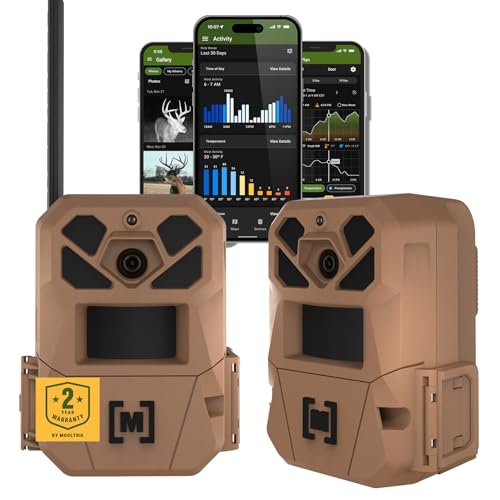
Both cameras earn high marks for 2026, but they serve different needs. The WOSPORTS Trail Camera(Non-Cellular Non-WiFi) delivers exceptional image clarity, a fast 0.2‑second trigger, and flexible power options for hunters who want a reliable, no‑subscription camera that can run for months on a single battery setup. The Moultrie Edge 3 Cellular Trail Camera – 2-Pack is the smarter choice if you need real‑time buck alerts, AI detection that filters false triggers, and the convenience of remote feeder control. Whichever you pick, you will capture more deer movement and make informed decisions about your hunting strategy.
Frequently Asked Questions
How do I choose between a cellular and non-cellular trail camera?
If you visit your property frequently and want to avoid monthly fees, a non-cellular model like the WOSPORTS gives you full control over image storage and battery life. If you hunt remote areas or need instant alerts on mature bucks, a cellular camera like the Moultrie Edge 3 sends photos straight to your phone and saves you trips. Consider your cell coverage at the camera location before buying a cellular camera.
What is the best resolution for a trail camera in 2026?
For reliable identification of deer and other wildlife, look for at least 20 megapixels for daytime images and 1080p HD video. Higher resolutions like 40 or 56 megapixels give you extra detail for zooming in on antlers or ear tags, but they also consume more storage space. Most modern cameras offer adjustable settings so you can balance quality and card capacity.
How can I extend battery life in cold weather?
Use lithium AA batteries instead of alkaline, as they perform better in freezing temperatures. Some cameras support external rechargeable battery packs or solar panels, which can keep the camera running all season. Also, reduce the number of night-time triggers by placing the camera away from heat sources that cause false alerts. For more tips, see our top cold weather outdoor security cameras guide.
Do trail cameras work for home security?
Yes, many trail cameras can double as outdoor security cameras for driveways, sheds, or remote cabins. They offer motion detection, night vision, and weatherproof construction. However, they lack features like continuous recording, two-way audio, and cloud storage that dedicated security cameras provide. For full property coverage, combine a trail camera with a wired PoE system from our Best Outdoor PoE Security Cameras review.




