The short answer is yes, you can drive on low tire pressure, but you should not, doing so is dangerous and can cause a blowout, damage your tires, and reduce fuel efficiency. Even a few miles at low pressure can overheat the tire and lead to irreversible internal damage. The only exception is creeping slowly to the nearest air pump or shop, but even that carries risk. This guide explains why low pressure is so dangerous, what causes it, and exactly what you should do if your tire pressure warning light comes on.
Why Driving on Low Tire Pressure Is Dangerous
Low tire pressure creates excessive flexing in the sidewall, which generates heat. That heat builds up fast and can cause the tire to separate or blow out, especially at highway speeds. You also lose traction, braking distance increases, and the tire wears unevenly, often ruining the tire permanently.
In addition, the vehicle handles differently, you might feel a pull or a wobble. That instability makes it harder to steer or stop in an emergency. Even a drop of a few PSI below the recommended level can affect safety.
How Low Is Too Low to Drive?
Most passenger car tires require between 30 and 35 PSI. If the pressure is 20 PSI or below, you are at high risk of a blowout. A tire at 25 PSI might still hold air, but the handling and braking are already compromised. The tire pressure warning light typically illuminates when pressure drops about 25 percent below the recommended level.
If you see the light come on, check the pressure with a gauge as soon as possible. Do not rely on a visual inspection alone, modern tires can look fine even when significantly underinflated.
What Causes Low Tire Pressure?
Temperature drops are the most common cause. For every 10°F drop in outside temperature, tires can lose about 1-2 PSI. Seasonal changes in August or 2026 often trigger warning lights on cars that had normal pressure during warmer months.
Other causes include a slow leak from a puncture, a damaged valve stem, or a bead seal leak where the tire meets the rim. Even just time, tires naturally lose air over weeks, so routine monthly checks are essential.
What Happens to Your Car When You Drive Underinflated?
Fuel economy drops because underinflated tires have more rolling resistance. Your engine works harder, burning more gas. Handling feels sluggish, and the risk of hydroplaning on wet roads increases because the tire contact patch deforms.
Inside the tire, the sidewall cord can break from the flexing, leading to a bulge or a flat at speed. That damage is not repairable, the tire must be replaced.
Can You Drive a Short Distance to an Air Pump?
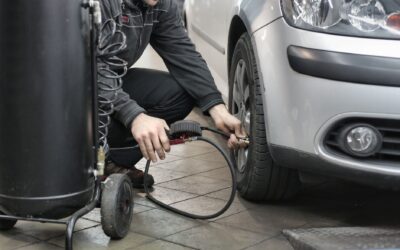
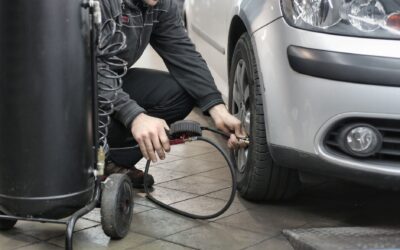
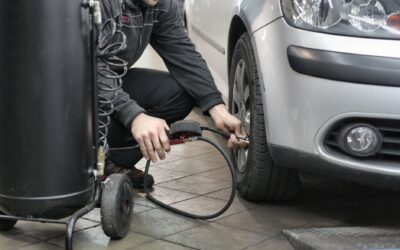
Yes, but only if the tire is not completely flat and you drive under 30 mph for less than a mile. Move slowly and avoid sharp turns. If the tire looks visibly low or the car is pulling hard, stop and call for roadside assistance.
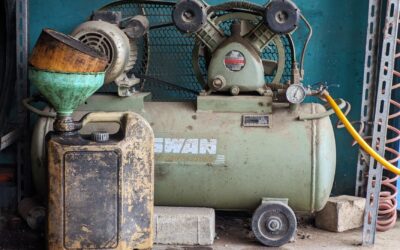
Keep in mind that even a short drive can damage a tire that is already structurally compromised. If you are unsure, it is safer to use a portable air compressor or a can of emergency sealant.
What to Do If Your Tire Pressure Light Comes On
- Pull over safely as soon as possible and check the pressure with a gauge.
- Add air to reach the recommended PSI listed on the driver’s door jamb or owner’s manual.
- If the tire is flat or you cannot add air, call roadside assistance or use a spare tire.
- After inflating, drive to a shop to inspect for punctures or damage.
- If the light stays on after inflation, the tire may have a slow leak that needs professional repair.
Frequently Asked Questions
Is it safe to drive on a tire with 10 PSI?
No. A tire at 10 PSI is severely underinflated and at immediate risk of blowout. Do not drive on it at all. Install the spare or call for a tow.
Can low tire pressure cause a car to pull to one side?
Yes, an underinflated tire on one side can cause the vehicle to pull toward that side because the tire has a larger contact patch and more rolling resistance there.
How long can you drive on low tire pressure before damage occurs?
Damage can begin within minutes at highway speeds. Even a few miles can cause irreversible internal delamination. The safest rule is zero miles, inflate before moving.
Does low tire pressure affect gas mileage?
Yes. Each 1 PSI drop in pressure across all four tires can reduce fuel economy by about 0.2 percent. That adds up over time and increases your fuel costs.
Can I use a tire pressure monitoring system to avoid driving on low pressure?
Modern TPMS alerts you when pressure drops significantly, but it cannot prevent a leak. Regular manual checks with a gauge are still the best practice.
Related Guides
- Best Tire Inflator for Truck Tires
- Best Tire Inflator for SUV
- How Often Should You Check Tire Pressure
Final Takeaway
Driving on low tire pressure is a gamble you should never take. Inflate your tires to the recommended PSI before driving, and if a warning light appears, address it immediately. For more help keeping your car running reliably, check out our guide on why your car battery keeps dying overnight, another common issue that can leave you stranded.