
To reduce humidity in a room, you need to either remove excess moisture from the air or stop it from entering in the first place. The most effective approach depends on what is causing the humidity in your specific space. Common sources include poor ventilation, daily activities like cooking and showering, and hidden leaks. Once you identify the root cause, the fix is usually straightforward and does not always require a dedicated appliance.
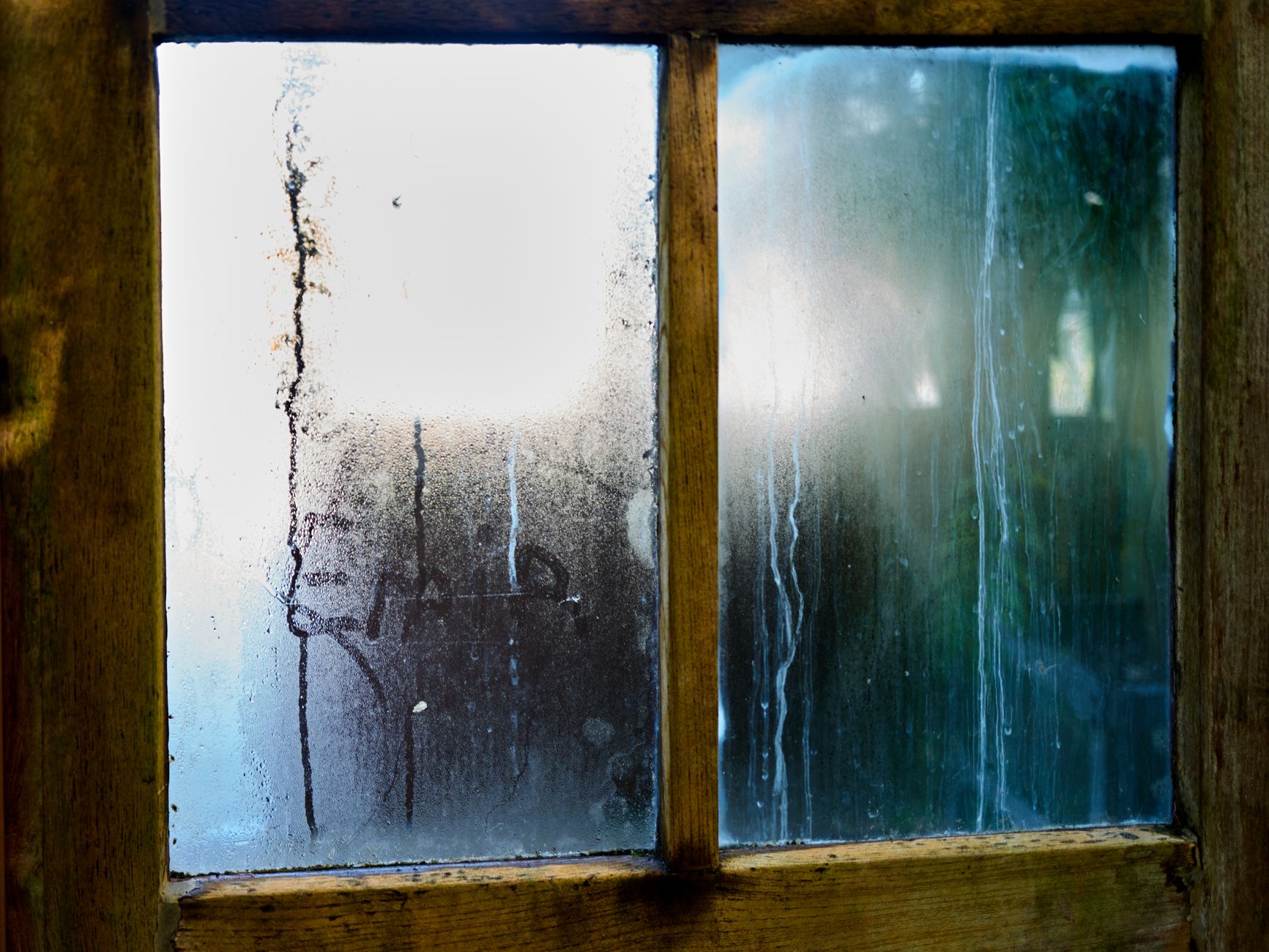
Poor Ventilation Traps Moisture Indoors
When a room lacks adequate airflow, moisture from breathing, plants, and everyday activities has nowhere to go. Stale, humid air builds up, especially in bathrooms, kitchens, and basements. Opening windows periodically or using exhaust fans can make a noticeable difference.
If your room has no windows or the fan is weak, consider a portable fan to keep air moving. Even a small cross breeze helps evaporation and reduces the feeling of stickiness.
Daily Activities That Add Moisture
Showering, cooking, drying clothes indoors, and even breathing all release water vapor into the air. A single hot shower can add half a liter of moisture to a bathroom. Without proper ventilation, that moisture lingers and raises the room’s humidity level.
To minimize this, run the bathroom fan during and for 15 minutes after a shower. Cover pots while cooking, and hang wet laundry outside or in a well-ventilated area. Small changes in habit can lower indoor humidity significantly.
Leaks and Water Intrusion
A hidden leak from a pipe, roof, or window can introduce a steady supply of moisture into a room. Even a slow drip adds up over time, raising humidity and encouraging mold growth. Check for damp spots, peeling paint, or musty odors as signs of a leak.
Fixing the source of the water is the first step. After that, dry out the affected area thoroughly with towels or a wet/dry vacuum. If the leak is behind a wall, you may need professional help to repair and dry the space.
Warm Weather and Outdoor Humidity
In summer, hot and humid outdoor air seeps into your home through open doors, windows, and even small gaps. This can overwhelm your home’s natural ventilation and raise indoor humidity. The problem is worse in climates with consistently high outdoor humidity.
Using air conditioning helps because it removes moisture as it cools. Keeping windows and doors closed during the hottest part of the day also limits the amount of humid air entering your room.
Houseplants and Aquariums
Plants release moisture through transpiration, and a room full of them can noticeably increase humidity. Similarly, an uncovered aquarium or pet water bowl adds evaporation. While these sources are usually minor, they can tip the balance in a small, poorly ventilated room.
If you suspect plants are the cause, try grouping them in a brighter area with better airflow, or reduce the number of moisture-loving species. Covering the aquarium with a lid also cuts evaporation.
How to Fix a Humid Room: Practical Steps
- Improve ventilation by opening windows or using fans.
- Use exhaust fans in bathrooms and kitchens during and after activities.
- Fix any leaks in pipes, roofs, or windows promptly.
- Limit indoor drying of clothes or use a well-ventilated area.
- Run an air conditioner to remove moisture while cooling.
- Reduce the number of houseplants or move them to a larger space.
- Cover open water sources like aquariums or pet bowls.
These steps address the most common causes of indoor humidity without requiring any special equipment. If you have tried these and the problem persists, you may want to check for more serious issues like a hidden leak or inadequate insulation. For a deeper dive into diagnosing and fixing humidity problems, you can explore our Home & Living category for related guides.
Related Guides
Frequently Asked Questions
Does opening a window reduce humidity?
Yes, if the outdoor air is drier than the indoor air. In humid climates, opening a window can actually increase indoor humidity. Check the weather before opening windows for ventilation.
Can a fan lower humidity?
A fan does not remove moisture, but it creates airflow that helps sweat evaporate from your skin, making you feel cooler. It can also help dry out damp surfaces, which reduces overall humidity over time.
What is the ideal indoor humidity level?
Most experts recommend keeping indoor relative humidity between 30% and 50%. Levels above 60% can promote mold growth and dust mites, while below 30% may cause dry skin and respiratory irritation.
How can I measure humidity in a room?
You can use a simple hygrometer, which is an inexpensive device that displays the relative humidity. Many digital thermometers also include a humidity reading. Place it in the center of the room away from direct sunlight or vents for an accurate measurement.
Will baking soda absorb moisture?
Baking soda can absorb small amounts of moisture from the air, but it is not effective for a whole room. It works best in small, enclosed spaces like closets or cabinets. For a larger room, focus on ventilation and fixing the source of moisture.
Reducing humidity in a room starts with identifying what is adding moisture and improving airflow. By tackling the most likely cause first, you can often solve the problem quickly. For more detailed guidance on maintaining a comfortable home environment, check out our Home & Living section.