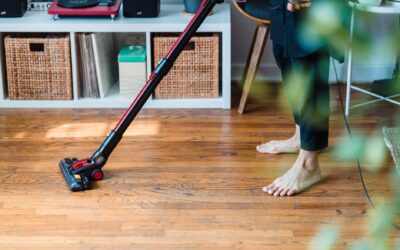
A robot vacuum for multiple floors must navigate stairs and transitions without falling or getting stuck, then clean each level with consistent power. Most robot vacuums cannot climb stairs on their own, so you’ll need to place them on each floor separately or choose a model designed to handle transitions between rooms. Understanding the real constraints helps you pick the right approach for your home layout.

Pros
- Exceptional convenience with 75-day self-emptying dock eliminates constant maintenance
- Superior cleaning performance from 70X more suction power handles pet hair and dirt effectively
- Smart carpet avoidance during mopping prevents damage to rugs without manual intervention
- Flexible scheduling and room-specific targeting through intuitive mobile app
- Versatile cleaning modes accommodate different floor types and cleaning needs
Cons
- Requires compatible cleaning solution purchases for optimal mopping performance
- 100-minute battery may require multiple cleaning cycles for larger homes over 2,000 sq ft
- Initial setup and WiFi connectivity needed for full app and voice control functionality
The Roomba 105 Combo is a hybrid robot vacuum and mop designed for busy households seeking automated floor maintenance without daily intervention. It's particularly suited for families with pets, children, or those who work from home and want consistently clean floors with minimal effort.
The standout feature is the 75-day AutoEmpty dock, which captures 99% of allergens as small as 0.7 microns in replaceable bags. Combined with 70X more suction power than older models, the 4-stage cleaning system tackles everything from pet hair to fine dust. The intelligent carpet detection automatically avoids mopping rugs, solving a common frustration with combo robots. SmartScrub's 2X deeper scrubbing targets high-traffic areas effectively.
Design-wise, the disc-shaped robot measures just 13.35 inches in diameter and 4.09 inches tall, fitting easily under most furniture. The LiDAR navigation maps your home precisely while obstacle avoidance and anti-fall sensors prevent accidents. The included washable microfiber mop pad and extra pad provide value, though replacement pads will be ongoing expenses.
One consideration is that the 100-minute battery may require scheduling multiple cleaning sessions for larger homes. Additionally, the 2.4 GHz WiFi requirement means some older routers might need adjustment. The app setup is straightforward, and voice control integration with Alexa, Google Assistant, and Siri adds convenience.
Overall, the Roomba 105 Combo delivers excellent value for households wanting both vacuuming and mopping automation. The combination of powerful suction, intelligent carpet detection, and hands-free maintenance makes it a practical choice for busy families managing multiple floor types.
AutoEmpty Dock with 75-Day Capacity: The dock automatically empties the robot's dustbin into a sealed bag system. You simply lift out and replace the bag monthly, not daily. This is transformative for allergy sufferers since the sealed system prevents dust clouds.
Dual Cleaning Modes: Run vacuum only, mop only, or both simultaneously. The microfiber pad uses controlled water flow to keep floors uniformly moist without oversaturation. SmartScrub mode applies 2X pressure on high-traffic areas for stubborn messes.
Smart Carpet Detection: Unlike competitors requiring manual zones, the Roomba 105 automatically detects and avoids carpets while mopping. This prevents wet rugs and eliminates configuration hassles.
LiDAR Navigation: Creates precise room maps for systematic coverage and efficient pathfinding. Combined with edge-sweeping brush technology, it cleans corners 20% better than previous models.
Multi-Control Options: Schedule through the app, speak commands to voice assistants, or use physical buttons. The app provides real-time status, filter life tracking, and custom zone creation.
Ideal Buyers: Families with pets, busy professionals, households with multiple floor types, and anyone with allergies who wants reduced dust exposure.
Pet Owners: The powerful suction and frequent scheduling capability handle shedding effectively. Multiple customers report satisfaction with pet hair management across carpet and hard floors.
Allergy Sufferers: The sealed bag system and 99% allergen filtration provide meaningful relief compared to traditional vacuums.
Mixed Floor Homes: Carpet avoidance during mopping makes this ideal for homes with rugs and hard floors. The edge-sweeping brush handles transitions well.
Budget-Conscious Buyers: At this price point, you get combo functionality, self-emptying, and LiDAR navigation typically found in more expensive models.


Pros
- Strong 5000Pa suction for deep cleaning on multiple floor types.
- Long runtime and auto-return to charge ensure uninterrupted cleaning.
- Multiple control options including app and voice for convenience.
- Slim profile reaches under low furniture easily.
- Effective anti-collision and anti-fall sensors protect home and device.
Cons
- Lacks advanced mapping or room planning features; navigation may be random.
- Mopping pad is basic and may not handle heavy stains or large spills.
- Dustbin and water tank require frequent emptying during larger cleaning sessions.
The Tikom G8000 Max is an affordable robot vacuum and mop combo designed for daily maintenance cleaning on hard floors and low-pile carpets. It targets budget-conscious buyers, pet owners, and those who want a simple automated cleaner without breaking the bank.
Its standout feature is the 5000Pa suction power, which effectively lifts pet hair, dust, and debris. The vacuum and mop function works simultaneously, reducing cleaning time by half. With a 150-minute battery life in quiet mode, it can cover most homes on a single charge and automatically returns to its dock when power runs low.
Design-wise, the G8000 Max is ultra-slim at 2.99 inches, allowing it to slide under beds and sofas. It uses anti-collision and anti-fall sensors to navigate around obstacles and avoid stairs. Four control methods (app, remote, voice, and button) offer flexibility, and the included HEPA filter traps allergens.
However, this model lacks smart mapping or room-by-room scheduling, so its cleaning pattern is random, which may lead to missed spots. The mopping system is basic; it uses a water tank and cloth pad that are best for light mopping, not heavy scrubbing. The dustbin and water tank are moderate in size but may need emptying during larger cleaning runs.
Overall, the Tikom G8000 Max delivers solid value for its price. It handles everyday dirt and pet hair well, offers convenient control options, and requires minimal setup. If you need a simple, no-fuss robot vacuum for regular upkeep, this is a strong choice.

Pros
- Excellent 2300Pa suction effectively removes pet hair and embedded dirt.
- Tangle-free brush design saves time on cleaning and maintenance.
- Ultra-slim profile fits under most low-clearance furniture for thorough cleaning.
- App and Google Assistant voice control make scheduling and operation effortless.
- Comes with a 2-year warranty for added peace of mind.
Cons
- Does not support Alexa; only works with Google Assistant for voice commands.
- No automatic carpet detection; mop cloth must be manually removed before cleaning carpets.
- Dustbin capacity may require frequent emptying in larger homes or with heavy pet hair.
The ZC WAS 2-in-1 Robot Vacuum and Mop is designed for pet owners and busy households seeking an affordable, efficient cleaning solution. It combines powerful suction, a zero-tangle brush, and smart navigation to tackle pet hair, dust, and debris on both hard floors and low-pile carpets.
Standout features include 2300Pa suction that lifts embedded pet hair from carpets, and a tangle-free brush that prevents hair wrap, reducing maintenance. The integrated mopping system with adjustable water levels works well on tile, laminate, and hardwood, though carpets require manual mop removal. With 3D obstacle avoidance and a slim 2.87-inch height, it navigates under furniture and avoids collisions effectively.
Design and build quality are solid for its price point. The robot feels sturdy, and the Tuya Smart App provides easy scheduling, remote control, and error alerts. It supports Google Assistant voice commands but lacks Alexa compatibility. The 100-minute runtime is sufficient for most apartments and medium-sized homes, and auto-return charging is reliable.
Potential drawbacks include the lack of automatic carpet detection, meaning you must remove the mop cloth for carpet cleaning. Also, the dustbin is relatively small, so frequent emptying may be needed in pet-heavy homes. The noise level at 60dB is quiet enough for light sleepers, a plus for overnight cleaning.
Overall, the ZC WAS robot vacuum and mop offers excellent value with strong suction, tangle-free convenience, and smart features. It is a solid choice for pet owners on a budget who appreciate app and voice control. The 2-year warranty adds confidence in the purchase.

Pros
- Powerful suction effectively cleans carpets and hard floors.
- Bagless self-emptying base eliminates frequent emptying and uses HEPA filtration.
- LiDAR navigation provides precise mapping and obstacle avoidance.
- Great for pet owners with self-cleaning brushroll and allergen capture.
- Voice control and scheduling offer convenient hands-free operation.
Cons
- Self-emptying base may be bulky and require more floor space.
- LiDAR navigation may not detect very low-profile obstacles like cords.
- No mopping function for hard floors.
The Shark AV2501AE AI Robot Vacuum is a high-performance robotic cleaner designed for busy households, especially those with pets. It combines powerful suction with a bagless self-emptying base that holds up to 60 days of debris, making maintenance minimal.
Standout features include Matrix Clean Navigation that cleans in a precise grid pattern for thorough coverage, and 360° LiDAR vision that accurately maps your home and avoids obstacles. The vacuum's self-cleaning brushroll and true HEPA filtration capture 99.97% of dust and allergens, ideal for pet hair and dander.
Build quality is robust, with a sleek black design and a compact base. The vacuum is Wi-Fi connected and compatible with Alexa and Google Assistant for voice control. Extended runtime of up to 120 minutes and Recharge and Resume function ensure whole-home cleaning without interruption.
Potential drawbacks include the base's footprint, which may be large for small spaces, and LiDAR may not detect very low obstacles like thin cords. Additionally, there is no mopping capability for hard floors.
Overall, the Shark AV2501AE offers excellent value for pet owners seeking a hands-free, self-emptying vacuum with strong navigation and filtration. It is a reliable choice for maintaining clean carpets and hard floors with minimal effort.
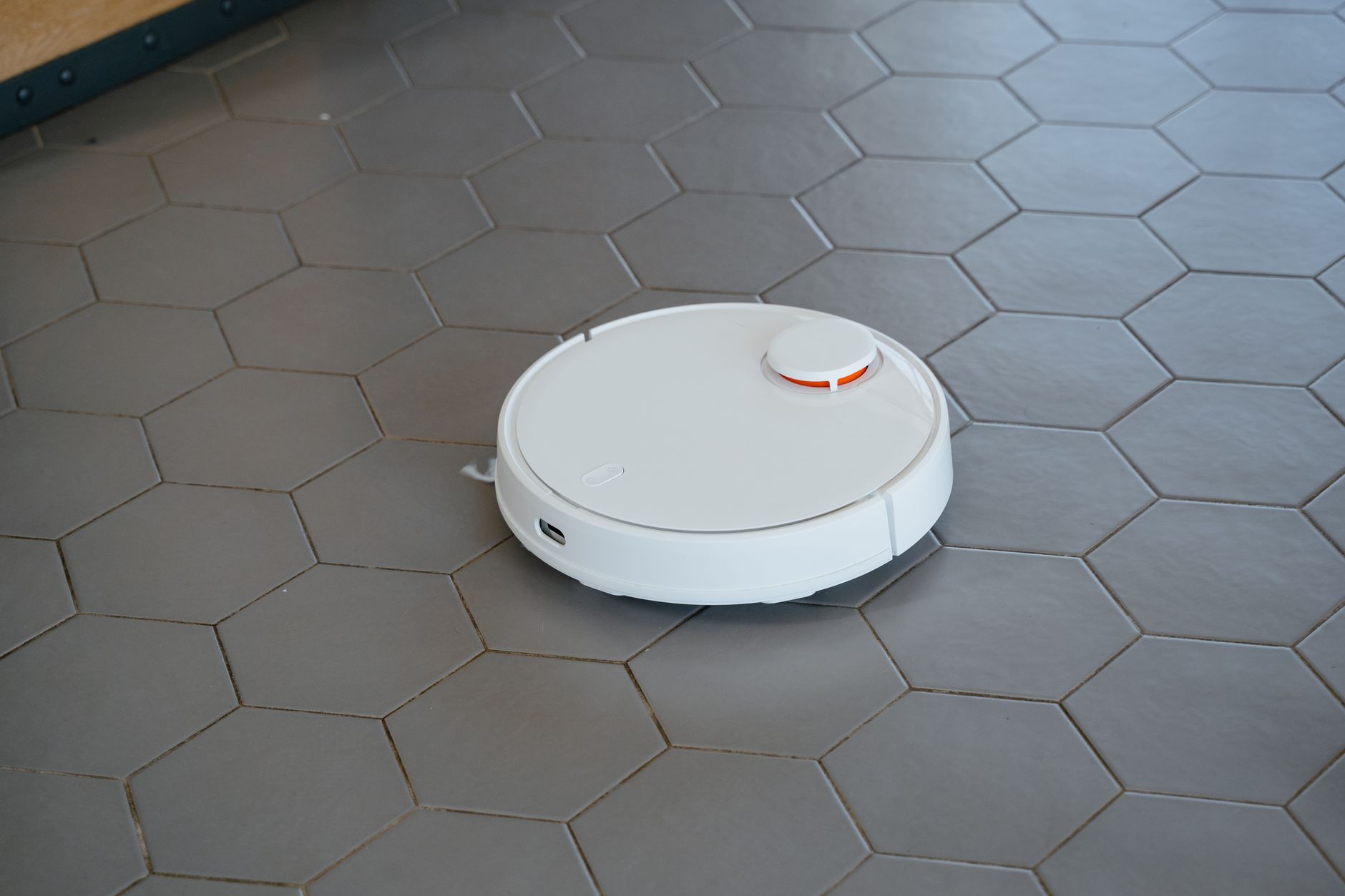
Stairs Are the Main Barrier
Robot vacuums rely on wheels and brushes close to the ground, which means stairs are a hard stop. A typical robot vacuum is only a few inches tall and cannot climb a step, so it will either stop at the edge or fall if it reaches one unprotected.
If your home has stairs between floors, you cannot run a single robot vacuum continuously across both levels. The machine will need to be manually carried to the next floor, or you’ll need separate units on each level to automate the entire home.
Transitions Between Rooms on the Same Floor
Thresholds, carpet-to-tile transitions, and slight elevation changes within a single floor are different from stairs. Many robot vacuums can handle small transitions of half an inch or less, especially models with higher ground clearance.
Check the specifications for your specific floor layout. A transition that’s too high will cause the vacuum to get stuck or turn back, leaving parts of your floor uncleaned. Low-pile carpet to hard flooring is usually manageable, but thick transitions may require a model built for varied terrain.
Mapping and Room Separation
If you place a robot vacuum on one floor and want it to cover only certain rooms, it needs mapping capability. Modern vacuums with smart mapping can learn your floor plan and clean specific zones without wandering into areas you don’t want cleaned.
Without mapping, a robot vacuum will clean randomly or in a pattern that may skip rooms or waste battery on areas you don’t need touched. This becomes especially important in multi-floor homes where you might run one unit on an upper floor during the day and move it to another floor at night.
Battery Life and Runtime
A larger floor or multiple separate floors means you need a vacuum with enough battery to finish the job before returning to charge. If you’re manually moving the vacuum between floors, a shorter runtime is less critical, but if you’re running it on a single large floor, battery life directly affects coverage.
Most robot vacuums run for 90 minutes to two hours per charge. Larger homes or homes with multiple rugs and obstacles will drain the battery faster than open layouts. Plan for a model that can handle your floor size in one session, or accept that you may need to empty the dustbin and restart it.
Dustbin Size and Maintenance
When you’re managing multiple floors, a larger dustbin means fewer trips to empty it. If you’re running separate vacuums on each floor or manually moving one between levels, you’ll want a model that doesn’t need emptying after every room.
A small dustbin forces you to interrupt cleaning sessions to empty it, which defeats the convenience of automation. This is a practical consideration that often gets overlooked but affects your actual experience over time.
Suction Power for Different Floor Types
If your multiple floors have different surfaces, hardwood on one level and carpet on another, your vacuum needs adjustable suction or a design that works well on both. Some models reduce suction on hard floors to save battery, while others maintain consistent power across all surfaces.
Carpet requires more suction than hard floors, so a vacuum that only has one power setting may clean one surface poorly. Test or verify that any model you consider performs acceptably on both the carpet and hard floors in your home.
How to Approach Multiple Floors
- Measure the height of any transitions between rooms on the same floor and verify the vacuum’s ground clearance specification matches.
- Decide whether to use one vacuum moved manually between floors or separate units on each level, based on your home layout and how often you want each floor cleaned.
- Choose a model with smart mapping if you want to restrict cleaning to certain rooms and avoid stairs or off-limit areas.
- Prioritize battery runtime that covers your largest floor area in one charge to minimize interruptions.
- Select a dustbin size appropriate to your floor area so you’re not emptying it constantly during a cleaning session.
- Test suction performance on both carpet and hard flooring if your home has a mix of surface types.
Frequently Asked Questions
Can a robot vacuum go up and down stairs?
No. Robot vacuums cannot climb stairs. They are too low to the ground and lack the mechanical capability to navigate steps. If your home has stairs between floors, you must manually move the vacuum or use separate units on each level.
What’s the maximum threshold height a robot vacuum can cross?
Most robot vacuums can handle transitions up to about half an inch (roughly 13mm). Some models with higher ground clearance may manage slightly more, but anything significantly higher will cause the vacuum to stop or get stuck. Always check your specific model’s specifications for its maximum threshold height.
Should I buy one vacuum for each floor or move one between floors?
This depends on your schedule and how often you want each floor cleaned. One vacuum moved manually works if you clean floors on different days. Separate units let each floor run on its own schedule and are more convenient, but cost more upfront.
Does a robot vacuum need mapping to work on multiple floors?
Mapping isn’t required, but it’s very helpful if you want the vacuum to avoid certain areas or clean only specific rooms. Without it, the vacuum cleans randomly and may waste time on areas you don’t need cleaned, especially on a large floor.
How do I prevent a robot vacuum from falling down stairs?
Use physical barriers like safety gates or closed doors to block stairways. Most robot vacuums have cliff detection sensors, but they’re not foolproof. The safest approach is to prevent access to stairs entirely rather than relying on the vacuum to detect them.
Related Guides
Final Thoughts
A robot vacuum for multiple floors works best when you understand its physical limits, mainly that stairs require manual intervention or separate units. Focus on transitions between rooms, battery life, and mapping features that match your specific floor layout. If you’re ready to choose a model, review detailed specifications and real-world performance for your particular home setup.