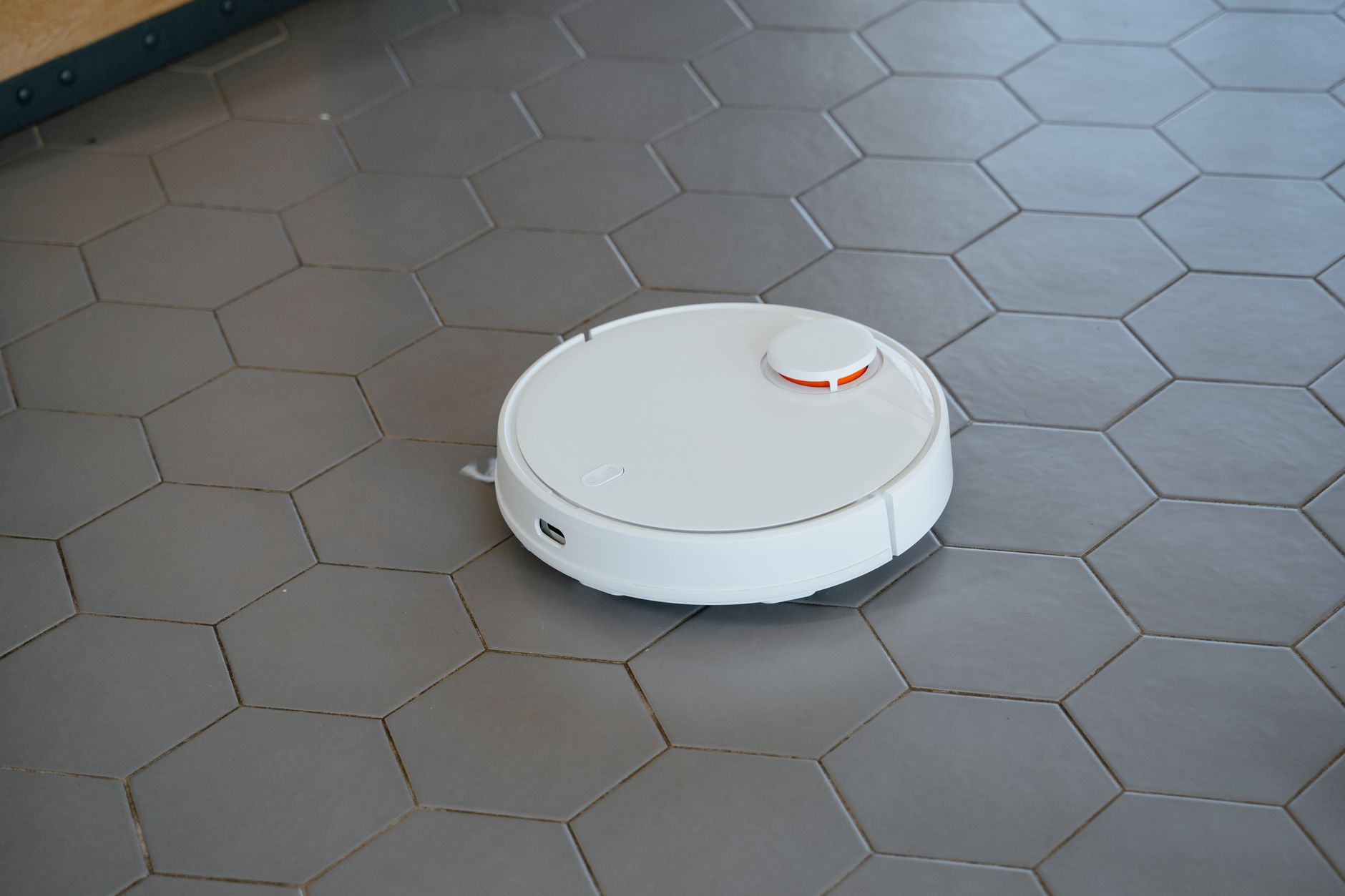
A robot vacuum that can handle thresholds needs enough ground clearance and a design that lets it climb over transitions without getting stuck. Most standard robot vacuums have a clearance of around 0.5 to 0.8 inches, which is fine for low carpet edges or flat door strips. But if your thresholds are higher, uneven, or have unusual shapes, your robot vacuum may struggle, bump into them repeatedly, or become trapped. Understanding your home’s specific threshold types and what features matter most will help you choose a model that navigates them smoothly.
Understanding Threshold Types and Heights
Thresholds come in many forms: raised door strips between rooms, transition strips from hardwood to tile, or even thick carpet edges at doorways. The height of these obstacles is the primary factor. A standard low-profile threshold is about 0.25 to 0.5 inches high, which most robot vacuums can handle with ease. However, thresholds above 0.75 inches, like those on some exterior doors or older homes with uneven floors, become a challenge.
Another consideration is the shape. A rounded or beveled threshold allows a robot vacuum to climb more easily, while a sharp, square edge can cause the vacuum to hit it head-on and stop. The length of the threshold also matters; a long, flat strip may require the vacuum to maintain momentum to get over it, whereas a short, high bump might be more difficult.
Robot Vacuum Design Features That Matter for Thresholds
The most critical design feature is clearance, the space between the bottom of the robot vacuum and the floor. This determines the maximum height of an obstacle it can drive over. Robot vacuums with higher clearance, often above 0.7 inches, fare better with taller thresholds. Additionally, the wheel design plays a huge role. Larger, more rugged wheels can climb over obstacles more easily than smaller, smoother ones.
Suspension systems in some robot vacuums allow the wheels to move independently, helping the vacuum maintain contact with the floor as it goes over a bump. This prevents it from getting stuck with one wheel in the air. A well-designed bumper system also helps; if the vacuum can sense an approaching threshold early, it can adjust its approach speed and angle to climb it successfully.
Navigation and Sensors: How They Help or Hinder
Most robot vacuums use a combination of sensors to avoid obstacles and navigate. They have cliff sensors to prevent falls down stairs, but these can sometimes mistake a dark threshold for a drop-off, causing the vacuum to reverse away from it. Similarly, bump sensors can make the vacuum turn away from a threshold it could have climbed, treating it as a wall.
More advanced robot vacuums use cameras or lidar to map rooms and identify thresholds as obstacles to cross, not avoid. These models can plan a path that approaches thresholds at the best angle and with enough speed to climb over them. If your home has many thresholds, investing in a robot vacuum with smart navigation can save you from constant stuck alerts.
Flooring Material and Threshold Interaction
The type of flooring on either side of a threshold affects how a robot vacuum behaves. A transition from low-pile carpet to tile is generally easier than from thick, shag carpet to tile, because the soft carpet can deform under the vacuum’s weight, reducing its effective clearance. Similarly, thresholds between rooms with very different floor heights can create a sharp step that’s hard to climb.
Hard floors like wood, tile, or laminate provide a solid surface that allows the robot vacuum to get a good grip and maintain momentum. On carpet, especially high-pile, the vacuum may sink in and struggle to get over a threshold. Checking the manufacturer’s specifications for floor type compatibility is a good starting point before you buy a robot vacuum for thresholds in your home.
How to Assess Your Home’s Thresholds
Before you choose a robot vacuum for thresholds, measure each threshold in your home. Use a ruler to measure the highest point of the threshold from the floor. Also, note the shape: is it flat, rounded, or angled? Mark the ones that are above 0.5 inches, as these will be the most challenging. Also check if the floor on either side is the same height; a difference of more than 0.2 inches can create a step that’s hard to climb.
Consider the width of each threshold too. A wide threshold gives the robot vacuum more time to get its wheels onto the higher surface, while a narrow one requires a quick, precise movement. If you have a lot of furniture or clutter near thresholds, that can also block the vacuum’s path and make crossing more difficult.
What to Do to Ensure Your Robot Vacuum Handles Thresholds
- Measure all thresholds in your home and note their height, shape, and the flooring on each side.
- Look for robot vacuum models with high ground clearance, ideally 0.7 inches or more.
- Choose a robot vacuum with large, articulated wheels and a suspension system for better climbing.
- Opt for navigation that uses cameras or lidar to recognize thresholds as obstacles to cross, not avoid.
- Consider using threshold ramps or creating a small ramp with a piece of wood for the most problematic thresholds.
If you want to see specific models that excel in these areas, our detailed reviews can help. For instance, the cordless car vacuum for pet hair article covers vacuums designed for a different environment, but the principles of clearance and suction apply generally. However, for home use, focusing on robot vacuums built for your specific floor type is key.
Frequently Asked Questions
What is the typical maximum threshold height a robot vacuum can climb?
Most standard robot vacuums can handle thresholds up to 0.6 to 0.8 inches high. Models designed for higher clearance can sometimes manage up to 1 inch, but this varies by design and wheel size. Always check the manufacturer’s specifications for the specific model you’re considering.
Can I modify my thresholds to make them easier for a robot vacuum?
Yes, you can install threshold ramps or wedges that create a gradual incline for the robot vacuum to climb. These are often made of rubber or plastic and can be placed over existing thresholds. Alternatively, you can sand down a sharp edge or replace a very tall threshold with a lower-profile version.
Do robot vacuums with lidar handle thresholds better than those with only bump sensors?
Generally, yes. Lidar navigation helps the robot vacuum detect thresholds from a distance, allowing it to approach them at the best angle and with enough speed. Bump sensor-only models may repeatedly bump into a threshold and eventually avoid it, thinking it’s a wall, rather than attempting to climb it.
Why does my robot vacuum avoid certain thresholds but try others?
This is often due to a combination of the threshold’s height, shape, and color. Dark colored thresholds can confuse cliff sensors, making the vacuum think there’s a drop-off. Also, if the threshold is very high or sharp, the vacuum’s sensors may treat it as an impassable obstacle, while a lower, beveled one is seen as a manageable bump.
Related Guides
- Robot Vacuum for Dark Floors
- Robot Vacuum Without WiFi
- Top Roomba Black Friday Deals
- Top Roborock Black Friday Deals
Closing
Choosing a robot vacuum for thresholds comes down to matching the vacuum’s clearance and navigation with your home’s specific obstacles, not just the brand. Measure your thresholds and prioritize models with higher clearance and smart mapping to avoid future frustration. For more details on specific features, check our blog for in-depth guides.