Astaxanthin is a naturally occurring carotenoid pigment responsible for the red and pink colors in salmon, shrimp, lobster, and flamingos. It is produced primarily by the microalgae Haematococcus pluvialis and accumulates in marine animals that consume it. Unlike some antioxidants that become pro-oxidants at high doses, astaxanthin is known for its unique molecular structure that allows it to span the cell membrane, providing protection to both the water-soluble and fat-soluble parts of the cell. This makes it a potent compound studied for its role in reducing oxidative stress and inflammation.
How Astaxanthin Works in the Body
Astaxanthin’s primary mechanism is its ability to neutralize free radicals, which are unstable molecules that can damage cells and contribute to aging and chronic disease. Its structure allows it to embed itself within the cell membrane, where it can quench multiple types of free radicals simultaneously. This is a key difference from other antioxidants like vitamin C, which work primarily in watery environments.
Additionally, astaxanthin has been shown to support the body’s own antioxidant enzyme systems, such as superoxide dismutase and catalase, enhancing your natural defense network. This dual action, direct free radical scavenging and indirect enzyme support, is what makes it a subject of ongoing research in areas like skin health, eye health, and exercise recovery.
Potential Benefits of Astaxanthin
Research suggests that astaxanthin may offer several health benefits, though it is important to note that many studies are still preliminary or conducted on animals or small human groups. One of the most studied areas is skin health. Because oxidative stress from UV radiation is a major cause of skin aging, astaxanthin’s antioxidant properties may help protect skin from sun damage and improve elasticity and moisture levels.
Another area of interest is eye health. Astaxanthin can cross the blood-retinal barrier and accumulate in the eyes, where it may help protect against age-related macular degeneration and reduce eye fatigue from screen use. Some studies also indicate it may support cardiovascular health by improving blood flow and reducing oxidative damage to LDL cholesterol.
Food Sources vs. Supplements
You can obtain astaxanthin from dietary sources, primarily wild-caught sockeye salmon, which has the highest concentration among common foods. Other sources include krill oil, shrimp, crab, and lobster. However, the amount you get from food alone is relatively small compared to what is used in supplement studies.
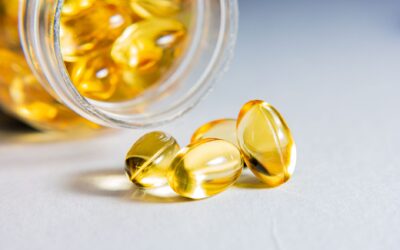
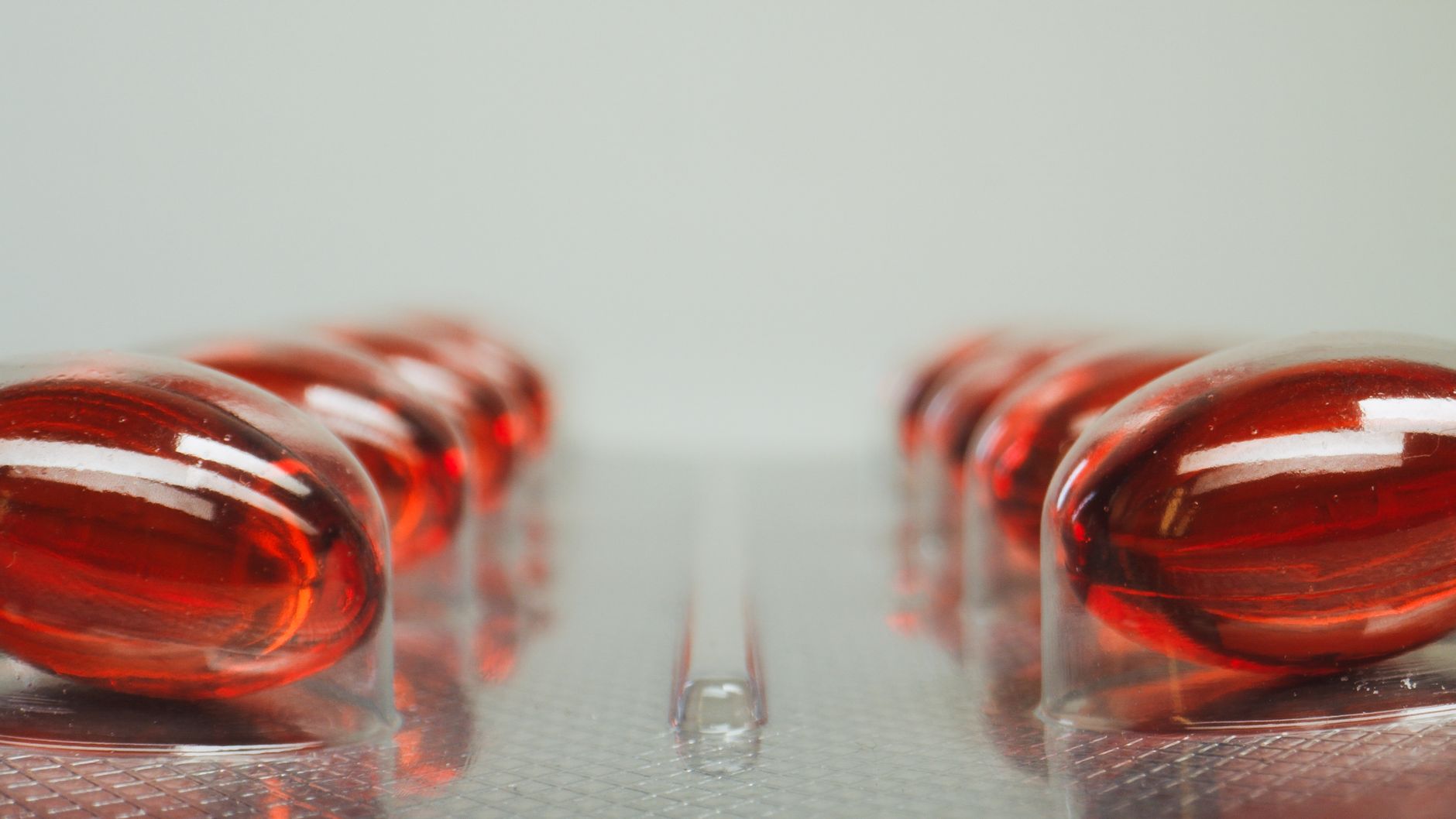
Supplements typically contain astaxanthin extracted from Haematococcus pluvialis algae, often standardized to contain 5 to 12 milligrams per serving. These supplements are available in softgel or capsule form. Because astaxanthin is fat-soluble, taking it with a meal that contains fat can improve absorption. If you are considering a supplement, it is wise to consult a healthcare professional first, especially if you take medications or have underlying health conditions.
Safety and Side Effects
Astaxanthin is generally considered safe when taken in recommended doses. Common side effects are rare but can include mild digestive upset or red stools. Because it is a carotenoid, high doses may cause a harmless orange tint to the skin, similar to what can happen with beta-carotene.
Pregnant or nursing women, and people with autoimmune conditions or bleeding disorders, should exercise caution and consult a doctor before use. There is no established upper limit for astaxanthin, but most studies use doses up to 12 milligrams per day for several weeks without adverse effects.
Frequently Asked Questions
Is astaxanthin the same as vitamin A?
No, astaxanthin is not a vitamin. It is a carotenoid, but unlike beta-carotene, it does not convert to vitamin A in the body. This means it does not carry the risk of vitamin A toxicity even at higher doses.
Can astaxanthin help with joint pain?
Some early research suggests that astaxanthin may reduce markers of inflammation and oxidative stress, which could theoretically benefit joint health. However, clinical evidence is limited, and it should not replace standard treatments for arthritis or joint conditions.
How long does it take for astaxanthin to work?
Effects vary by individual and the specific benefit being sought. Some studies report improvements in skin elasticity after 4 to 6 weeks of supplementation, while other benefits, like eye health, may require longer consistent use. It is not a quick fix.
Does astaxanthin interact with any medications?
There is limited research on drug interactions, but because astaxanthin has mild anti-inflammatory and antioxidant effects, it could theoretically interact with blood thinners or immunosuppressants. Always inform your doctor before starting any new supplement.
Related Guides
Closing Thoughts
Astaxanthin is a powerful antioxidant found in algae and seafood, with promising research in skin, eye, and heart health. While it is not a miracle compound, its unique mechanism and safety profile make it an interesting supplement to discuss with your healthcare provider. For a deeper look into the best supplements available, check out our guide on health and household products.