

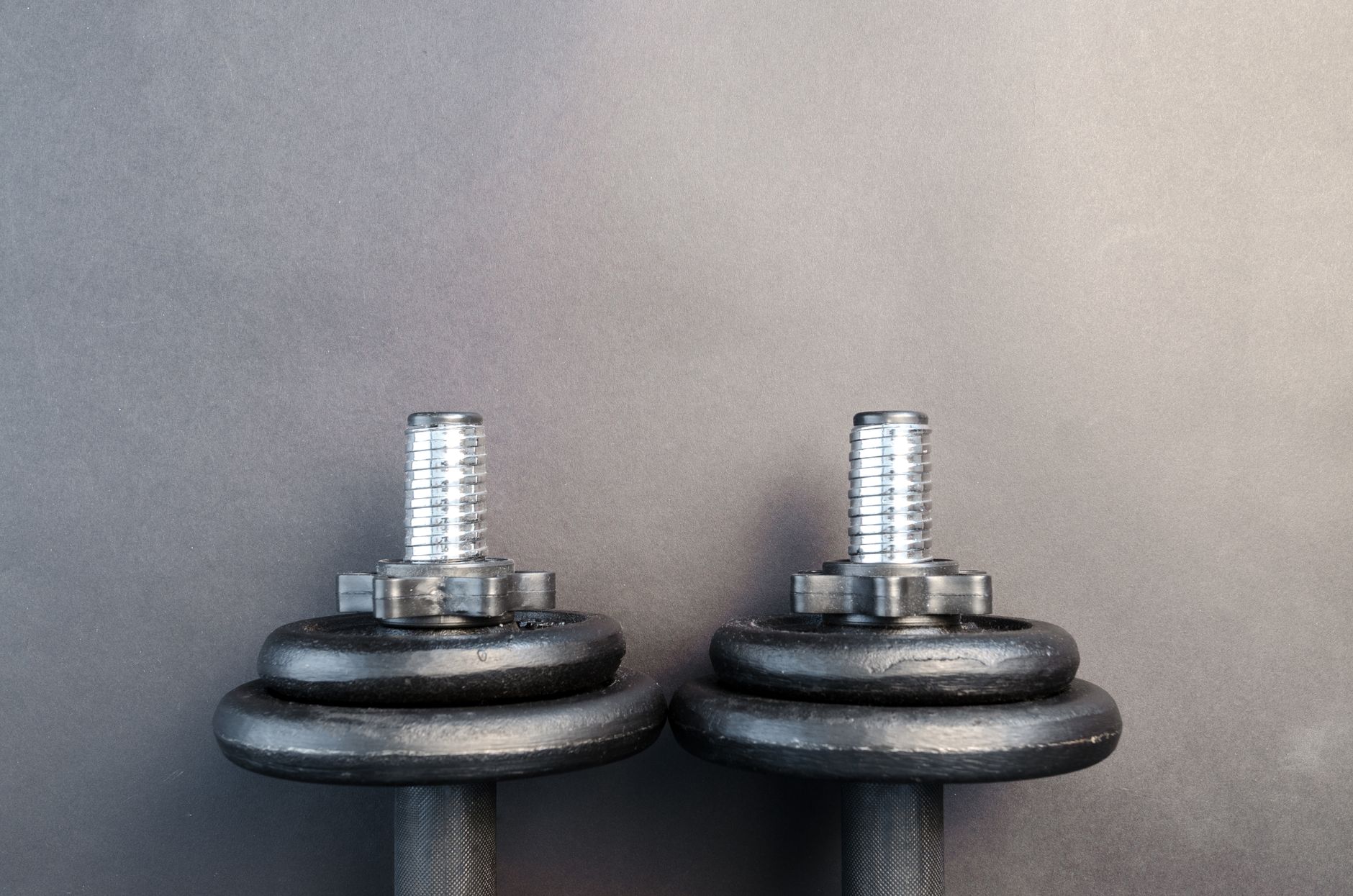
Your dumbbell set feels heavier than the weight says because of manufacturing tolerances, differences in material density, grip mechanics, or a shifted center of mass. Many budget and even mid-range dumbbells can be off by several pounds due to loose quality control, and factors like handle thickness or uneven coating can change how the weight distributes in your hand. Additionally, fatigue and technique play a role: what felt fine for one set may feel noticeably harder on another due to subtle design differences.
Manufacturing Tolerances and Calibration Errors
Most dumbbells, especially cast-iron or rubber-coated ones, are produced with a tolerance of plus or minus a few percent of the stated weight. A 20-pound dumbbell could legally weigh 19 or 21 pounds and still pass inspection. Over a whole set, these small errors add up, making one dumbbell feel noticeably heavier than its label.
Cheaper sets often have wider tolerances because manufacturers use less precise molds or skip individual calibration. If you suspect this is the issue, you can check with a bathroom scale, though that only tells you the total weight, not the balance between sides.
Material Density and Coating Thickness
Not all dumbbells are made of the same grade of iron or steel. Some use recycled metal with varying density, while others add a thick rubber or vinyl coating that changes the feel. A heavily coated dumbbell may have the same total weight as a bare iron one, but the extra mass concentrated in the coating shifts the balance and can make it feel heavier or more awkward to lift.
Similarly, the handle material matters. A smooth chrome handle may let you grip with less effort, while a textured rubber handle can create more friction, making the dumbbell feel heavier because your muscles work harder to stabilize it.
Center of Mass and Balance Issues
If the dumbbell’s weight is not evenly distributed between the two ends, or if the handle is offset, the center of mass shifts away from the center of your palm. This forces your wrist and forearm muscles to compensate, making the dumbbell feel heavier than a perfectly balanced one of the same total weight.
This is common in adjustable dumbbell sets where the locking mechanism adds weight unevenly, or in fixed dumbbells where the head casting is lopsided. You can test balance by rolling the dumbbell on a flat surface: if it wobbles, the weight distribution is off.
Grip Diameter and Handle Thickness
A thicker handle forces your fingers to work harder to close around it, which increases the perceived effort of the lift. Even if the dumbbell weighs the same as another with a thinner handle, your grip muscles are doing more work, so the entire movement feels heavier.
Conversely, a very thin handle can cause you to grip too tightly, also increasing fatigue. The ideal handle diameter for most people is around 28 to 35 millimeters, but many budget sets fall outside this range, making them feel heavier than expected.
Fatigue and Comparison Effects
Sometimes the issue is not the dumbbell but your body. If you have already done several sets or worked other muscle groups, your nervous system and muscles are fatigued. The same dumbbell that felt light at the start of your workout can feel much heavier later.
Also, if you switch from a well-balanced, high-quality set to a cheaper one, the difference in feel can be dramatic. Your brain expects a certain weight distribution, and the new set’s different balance and grip make every rep feel harder, even if the number on the side is the same.
How to Check and Fix the Issue
- Weigh your dumbbells on a digital scale to see if they match the labeled weight. Record each one separately.
- Check for balance by placing the dumbbell on a level surface and spinning it. A wobble indicates uneven weight distribution.
- Measure handle diameter with calipers. If it is outside the 28 to 35 mm range, consider using grip pads or switching to a different set.
- Inspect the coating for thick, uneven layers. If possible, remove excess rubber or vinyl that adds unbalance.
- Rest for at least 48 hours between workouts targeting the same muscle group to rule out fatigue as the cause.
If after checking these factors the dumbbells still feel off, the issue is likely manufacturing quality. In that case, consider replacing the set with one that has tighter tolerances and better balance. For detailed recommendations on well-calibrated dumbbells, you can read our guide to the best dumbbell sets for home gyms, which covers models with verified weight accuracy and consistent balance.
Frequently Asked Questions
How much can a dumbbell’s actual weight differ from the label?
For budget sets, the difference can be as much as 5 to 10 percent of the stated weight. Premium sets typically stay within 2 to 3 percent. Always weigh your dumbbells to know exactly what you are lifting.
Can the handle coating make a dumbbell feel heavier?
Yes. Thick rubber or vinyl coatings add weight and can shift the center of mass. The coating also affects grip friction, forcing your muscles to work harder to stabilize the weight, which increases perceived effort.
Why does the same weight feel different on different dumbbells?
Differences in handle thickness, balance, and material density change how the weight feels in your hand. Even two dumbbells of the same labeled weight can feel very different due to these design factors.
Should I trust the weight printed on budget dumbbells?
Not without verifying. Budget dumbbells often have wider tolerances and less quality control. Weighing them on a scale is the only reliable way to know the true weight.
Is uneven weight distribution a sign of a defect?
Often yes. If one side is heavier than the other, the dumbbell is poorly manufactured. This imbalance forces your muscles to compensate and can lead to injury over time. Consider returning or replacing such sets.
Related Guides
Final Thoughts
If your dumbbell set feels heavier than the weight says, the cause is usually a combination of manufacturing tolerances, design differences, and your own fatigue. By weighing each dumbbell, checking balance, and measuring grip thickness, you can identify the problem and decide whether to adapt your workout or invest in a more reliable set.



