If your tire pressure light is on but tires are fine, it means the Tire Pressure Monitoring System (TPMS) has detected an issue beyond simple underinflation. The most common causes include a failing TPMS sensor battery, a slow leak that’s not yet visible, temperature changes affecting pressure, or a sensor that needs relearning after a tire rotation. Do not ignore the light even if tires look okay; a deeper problem may exist.
Failing TPMS Sensor Battery
Each TPMS sensor has a battery that typically lasts 5 to 10 years. When the battery nears the end of its life, the sensor can send erratic readings or trigger the warning light even when tire pressure is correct. Many drivers first notice the light appearing intermittently.
There is no user-accessible battery; the entire sensor unit must be replaced. A mechanic can verify which sensor is failing using a TPMS diagnostic tool. This is one of the most common reasons for a false warning, particularly on cars older than 5 years.
Temperature Change Affecting Tire Pressure
A sudden drop in ambient temperature can lower tire pressure by 1 to 2 PSI per 10°F. If your tires were borderline underinflated before the temperature change, the drop may be enough to trigger the TPMS light despite no visible flatness.
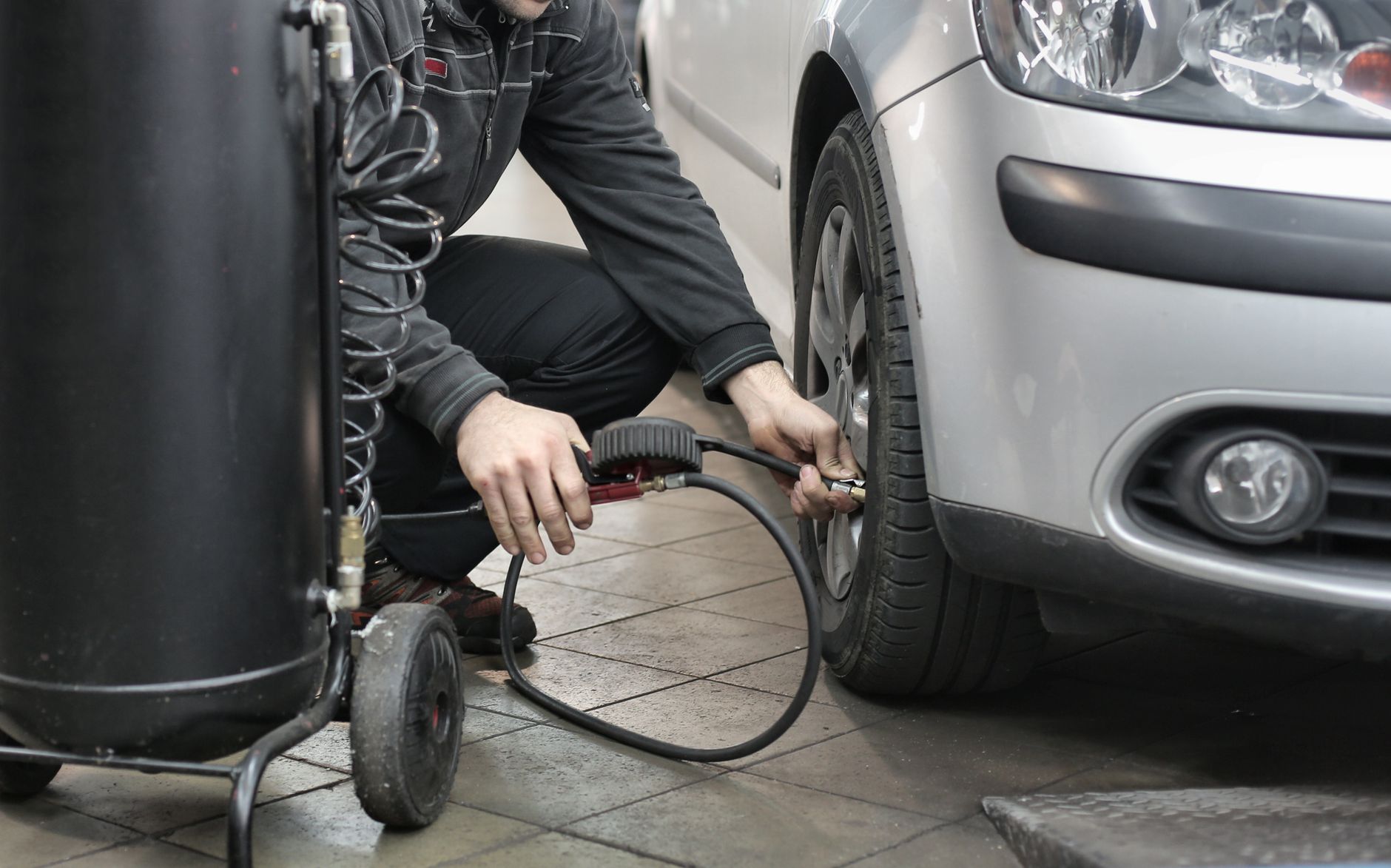
Check your tire pressure with a gauge when the tires are cold (car parked for at least 3 hours). Add air to the manufacturer-recommended PSI. After driving a few miles, the light may turn off automatically if pressure returns to normal.
Slow Leak That Is Not Yet Visible
A puncture or crack can cause a slow leak that loses air over days or weeks, enough to trigger the TPMS light before the tire looks low. This often happens with small nails embedded in the tread or a damaged valve stem.
Visually inspecting tires is not enough. Use a pressure gauge and compare readings from each tire. If one tire is consistently lower than the others by 2 PSI or more, have the tire professionally inspected for a slow leak.
TPMS Sensor Damage or Fault
Physical impact from hitting a pothole or curb can damage a TPMS sensor. The sensor may still be physically intact but its internal electronics can be jarred, causing false warnings. Corrosion from road salt or moisture can also cause intermittent failure.
If the light stays on after checking all other causes, a mechanic can test each sensor with a TPMS tool. Replacing a damaged sensor is often necessary, especially on newer cars where the system is more sensitive.
Improper TPMS Relearn After Tire Rotation or Replacement
After rotating tires or installing new sensors, the TPMS module needs to be relearned to match the new sensor positions. If this step is skipped, the system may read one tire as low even though the physical pressure is fine.
Some cars perform a relearn automatically after driving at a certain speed, while others require a manual reset using a TPMS tool or a specific sequence of actions. Check your owner’s manual for the relearn procedure for your make and model.
Spare Tire or Full-Size Spare with TPMS
Some vehicles have a TPMS sensor in the spare tire. If the spare is mounted or moved into service, but its sensor was not previously recognized, the light may come on even if all other visible tires are fine. This is less common but worth checking if you have a full-size spare.
Consult your vehicle’s manual to see if the spare is monitored. If so, ensure the spare tire is properly inflated and its sensor is programmed into the system.
How to Fix a Tire Pressure Light That Is On Despite Fine Tires
- Use a digital tire gauge to measure pressure in all four tires when cold, and inflate to the manufacturer’s recommended PSI.
- If the light persists, have the TPMS system scanned with a diagnostic tool to read which sensor is triggering the warning.
- Replace any sensor with a dead battery or physical damage.
- Perform a TPMS relearn procedure after tire rotation or replacement.
- Check the spare tire if equipped with a sensor.
Frequently Asked Questions
Can I drive with the tire pressure light on if the tires look fine?
It is not recommended. While the tires may appear fine, a slow leak or sensor issue could worsen. Driving with an active TPMS warning increases the risk of a sudden tire failure. Have the system checked as soon as possible.
How long does a TPMS sensor battery last?
TPMS sensor batteries typically last between 5 and 10 years, depending on driving conditions and sensor quality. When the battery dies, the sensor must be replaced entirely; there is no user-replaceable battery.
Will the TPMS light reset itself after adding air?
In many cars, yes. After inflating to the correct pressure, the light may turn off within a few minutes of driving. If it does not, the system may need a manual relearn or there is a sensor fault.
Why does my tire pressure light come on in cold weather but not in warm weather?
Cold temperatures reduce tire pressure by about 1 PSI per 10°F drop. This can push borderline-pressure tires below the TPMS threshold. Check and inflate to the cold-weather recommendation in your owner’s manual to prevent false warnings.
Can a TPMS sensor be reset without a tool?
Some vehicles allow a manual reset procedure using the tire pressure reset button or a sequence of ignition and accelerator pedal presses. Check your owner’s manual. For most modern cars, a dedicated TPMS tool is required to complete the relearn.
Related Guides
- Best Tire Inflator for Truck Tires
- Best Tire Inflator for SUV
- Tire Pressure Light Blinking Then Stays On
Final Thoughts
A tire pressure light on but tires are fine is usually caused by a failing sensor battery, temperature changes, or a slow leak rather than a visual flat. Checking actual pressure with a gauge and scanning the system with a diagnostic tool will reveal the root cause.