The quickest way to reset your tire pressure light is to inflate all tires to the recommended pressure, then drive for about 10 minutes at speeds above 50 mph to allow the system to recalibrate. Many vehicles also have a dedicated reset button under the steering wheel or in the glove box. Understanding how to reset tire pressure light correctly can save you a trip to the mechanic and ensure your TPMS works reliably every time.
Low Tire Pressure Is the Most Common Cause
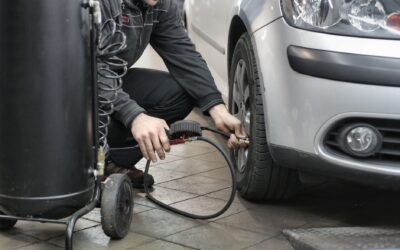
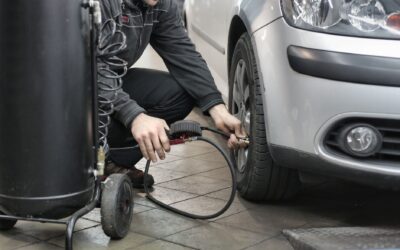
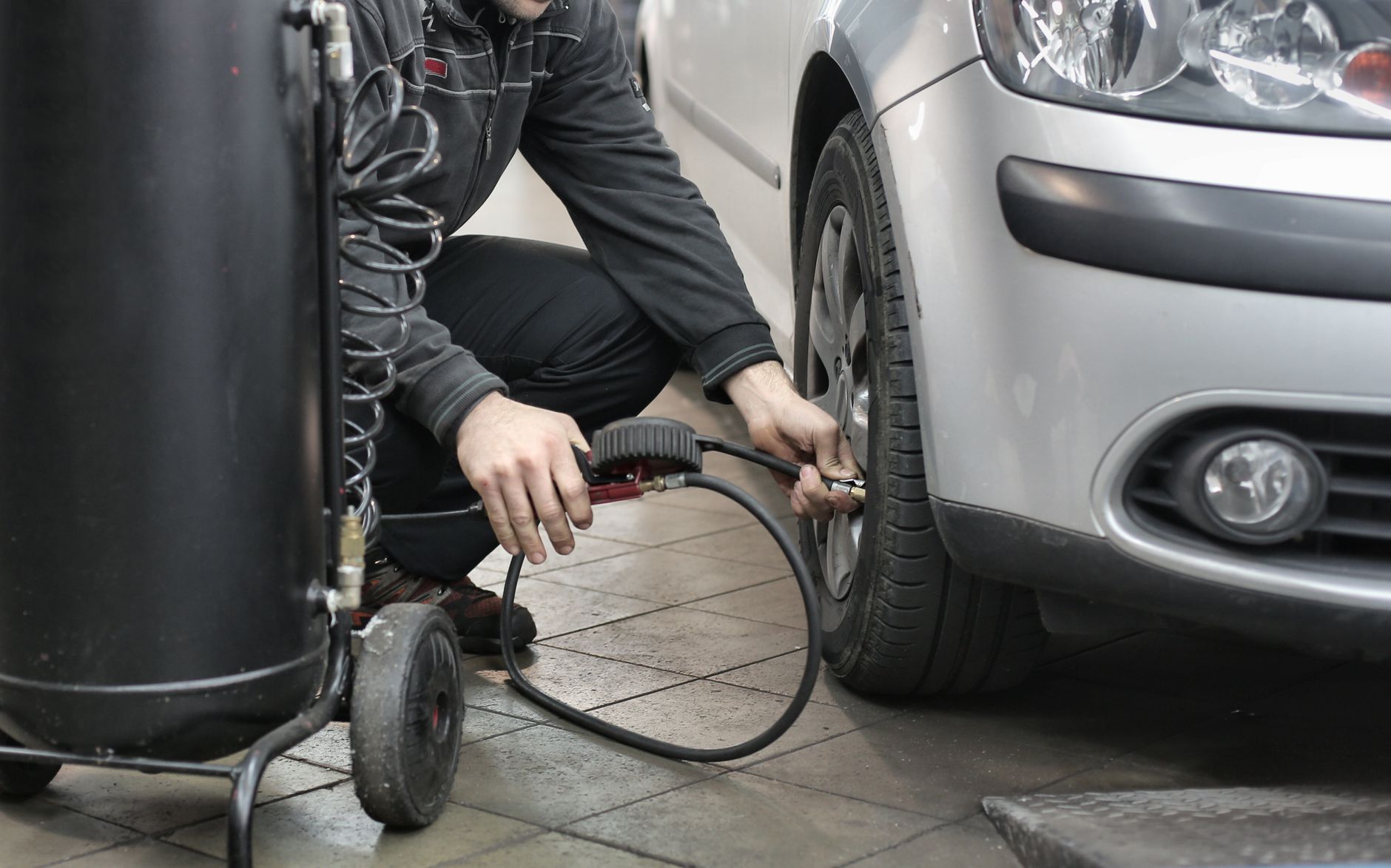
Your tire pressure monitoring system (TPMS) triggers the warning light when pressure drops 25% or more below the manufacturer’s recommendation. This usually happens slowly over weeks due to natural air loss through the rubber and valve stems. Checking your tire pressure with a gauge is the first step whenever the light comes on.
Properly inflating the tires often turns off the light automatically after a short drive. If the light stays on after inflating, the system may need a manual reset or a sensor issue exists.
Seasonal Temperature Changes Affect Tire Pressure
Tire pressure drops roughly 1 psi for every 10°F drop in outside temperature. When cold weather arrives in August of 2026, the TPMS light may turn on even though your tires were fine the previous season. This is completely normal and does not indicate a leak.
Simply add air until the pressure matches the door sticker recommendation. After a few miles of driving, the light should go out on its own. If it doesn’t, the reset procedure described below may be required.
After Tire Rotation or Replacement
Many vehicles require a TPMS relearn procedure after rotating tires or installing new sensors. The system needs to know which sensor is at which wheel position to display accurate pressure for each tire. Without this step, the light may flash or stay solid even if all pressures are correct.
Consult your owner’s manual for the specific relearn steps. Some cars automatically detect the new positions after driving a set distance, while others require a manual reset using a tool or button sequence.
Faulty TPMS Sensor or Battery Failure
TPMS sensors are battery-powered and typically last 5 to 10 years. When a sensor battery dies, the light will stay on permanently or flash intermittently. A dead sensor cannot transmit pressure data, so the system defaults to warning mode.
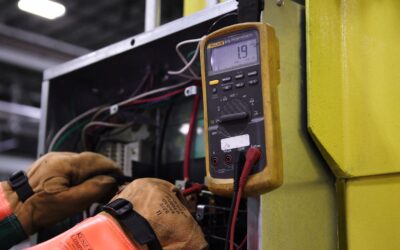
Replacing a faulty sensor requires dismounting the tire and installing a new one. If you suspect a sensor failure, a diagnostic tool like an OBD2 scanner can read the specific trouble code and tell you which sensor is bad.
System Glitch or Intermittent Fault
Occasionally, the TPMS light comes on due to a temporary electronic glitch rather than an actual pressure problem. This can happen after a battery disconnect, during extreme weather, or after hitting a large pothole that briefly knocks a sensor offline.
If all tire pressures check out and the light persists, try resetting the system using the button or driving cycle. If it returns repeatedly, a deeper electrical issue may need professional diagnosis.
How to Reset the Tire Pressure Light
- Inflate all tires to the pressure listed on the driver’s door jamb sticker, not the maximum sidewall rating.
- Locate the TPMS reset button (often under the steering column, in the glove box, or near the gear shift). Press and hold it until the TPMS light blinks three times, then release.
- Drive the vehicle for 10 to 15 minutes at speeds above 50 mph to allow the system to recalibrate.
- If the light still stays on, perform the relearn procedure specified in your owner’s manual for tire rotation or sensor replacement.
- Use an OBD2 scanner to check for any sensor fault codes and identify which wheel may have a bad sensor.
If you need to dig deeper into sensor diagnostics, a quality OBD2 scanner can read TPMS codes and battery levels.
Frequently Asked Questions
How long does it take for the TPMS light to reset after inflating tires?
Most vehicles will turn off the TPMS light within 10 to 20 minutes of driving after you’ve inflated the tires to the correct pressure. Some cars need a short highway run to complete the recalibration.
Can I drive with the tire pressure light on?
You can drive short distances, but low tire pressure increases the risk of a blowout and reduces fuel economy. Check and adjust the pressure as soon as possible. If the light is flashing, it indicates a serious problem, and you should pull over safely.
Why is my tire pressure light still on after filling tires?
This usually means the system needs a manual reset, there is a slow leak you didn’t catch, or a sensor is faulty. Try the reset button or drive cycle first. If it persists, use an OBD2 scanner to read any trouble codes.
Do I need a special tool to reset the tire pressure light?
Many cars can be reset without any tool by using the reset button or simply driving. However, some newer vehicles require a TPMS relearn tool or a compatible OBD2 scanner to sync sensors after rotation or replacement.
Related Guides
- Best Tire Inflator for Truck Tires
- Best Tire Inflator for SUV
- How to Check Tire Pressure
- Best Digital Tire Pressure Gauge for 2026
Final Thoughts
Resetting the tire pressure light usually comes down to proper inflation and a short drive, but persistent issues often trace back to a faulty sensor or need for a relearn. If you suspect a sensor problem, using an OBD2 scanner can save time and money.