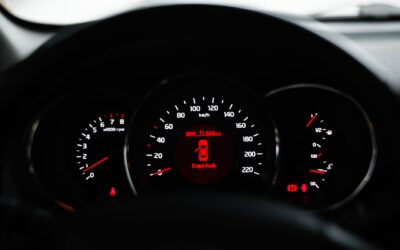
If your check engine light is on but your car runs fine, the most likely cause is a minor emissions or sensor issue rather than a major mechanical failure. A loose gas cap, a failing oxygen sensor, or a worn spark plug can trigger the light without affecting driveability. While it's often safe to continue driving short distances, you should diagnose the trouble code as soon as possible to prevent a small problem from becoming expensive. Many drivers see this warning and assume the worst, but in the majority of cases the car remains perfectly drivable while you investigate the root cause.
Loose or Damaged Gas Cap
The gas cap is the number one reason for a check engine light when the car feels normal. If the cap isn't tightened fully after a fill-up, or if its seal is cracked or missing, the onboard diagnostics system detects a fuel vapor leak and illuminates the light. This is a simple, free fix: remove the cap, inspect the rubber gasket, and tighten it until you hear three clicks. Drive the car for a few cycles; the light may turn off on its own or require a scan tool reset.
A damaged gas cap costs very little to replace and is often the only repair needed. If the light stays on after replacing the cap, the problem lies elsewhere in the evaporative emission system.
Faulty Oxygen Sensor
Oxygen sensors measure the amount of unburned oxygen in the exhaust. Over time, they can become contaminated with oil ash or simply wear out. A failing O2 sensor often triggers the check engine light without causing any noticeable driveability symptoms because the car's computer can still adjust fuel trim within a narrow range. The sensor may be reading incorrectly but the car still runs smoothly.
Replacing a faulty oxygen sensor is straightforward, but you need a diagnostic scan to identify which sensor (upstream or downstream) is at fault. Ignoring a bad O2 sensor can eventually lead to reduced fuel economy and catalytic converter damage.
Worn Spark Plugs or Ignition Coils
Spark plugs and ignition coils are responsible for igniting the air-fuel mixture in each cylinder. When they start to fail, the engine may still run smoothly because only a slight misfire occurs at certain load ranges. The check engine light can illuminate with a pending misfire code before you ever feel a shudder or loss of power. Many drivers first notice the light during a long highway drive or after the engine is fully warm.
If your car has over 60,000 miles and the plugs or coils have never been replaced, this is a likely suspect. A tune-up with new plugs and coils can prevent the light from returning.
Mass Airflow Sensor Issues
The mass airflow (MAF) sensor measures how much air enters the engine. If it gets dirty or fails, the computer may receive incorrect data but still manage to keep the engine running at idle and under light throttle. The result is a check engine light with no obvious change in how the car drives. A dirty MAF sensor is common in dusty environments or if the air filter hasn't been changed regularly.
Cleaning the MAF sensor with a dedicated spray can sometimes fix the problem. If the sensor is physically damaged, replacement is the only option. A scan tool can confirm the MAF code.
Evaporative Emission System Leak
The evaporative emission (EVAP) system captures fuel vapors from the tank and sends them to the engine to be burned. A small leak anywhere in the system—such as a cracked hose, a loose purge valve, or a faulty vent solenoid—can turn on the check engine light without affecting driveability. The car runs fine because the leak doesn't involve air or fuel delivery to the combustion chambers.
EVAP leaks are often intermittent, making them tricky to diagnose. A smoke test performed by a mechanic is the most reliable way to locate the exact leak point. Until then, driving is safe but the light will remain on.
Catalytic Converter Efficiency Below Threshold
The catalytic converter reduces harmful exhaust emissions. Over time, its internal structure can degrade, especially if running rich for extended periods. A converter that isn't fully efficient may trigger a check engine light and code P0420 without the car losing power or fuel economy immediately. You might not notice any change in performance for months.
Replacing a catalytic converter is expensive, so it's wise to first confirm that other components (like O2 sensors) are working properly. A professional diagnosis is recommended before spending money on a converter replacement.
How to Diagnose and What to Do
- Check and tighten the gas cap; if the seal is cracked, replace it.
- Use an OBD2 scanner to read the trouble code. You can buy a basic scanner or visit an auto parts store that offers free code reading.
- If the code points to an oxygen sensor, spark plug, MAF sensor, or EVAP leak, address that specific component.
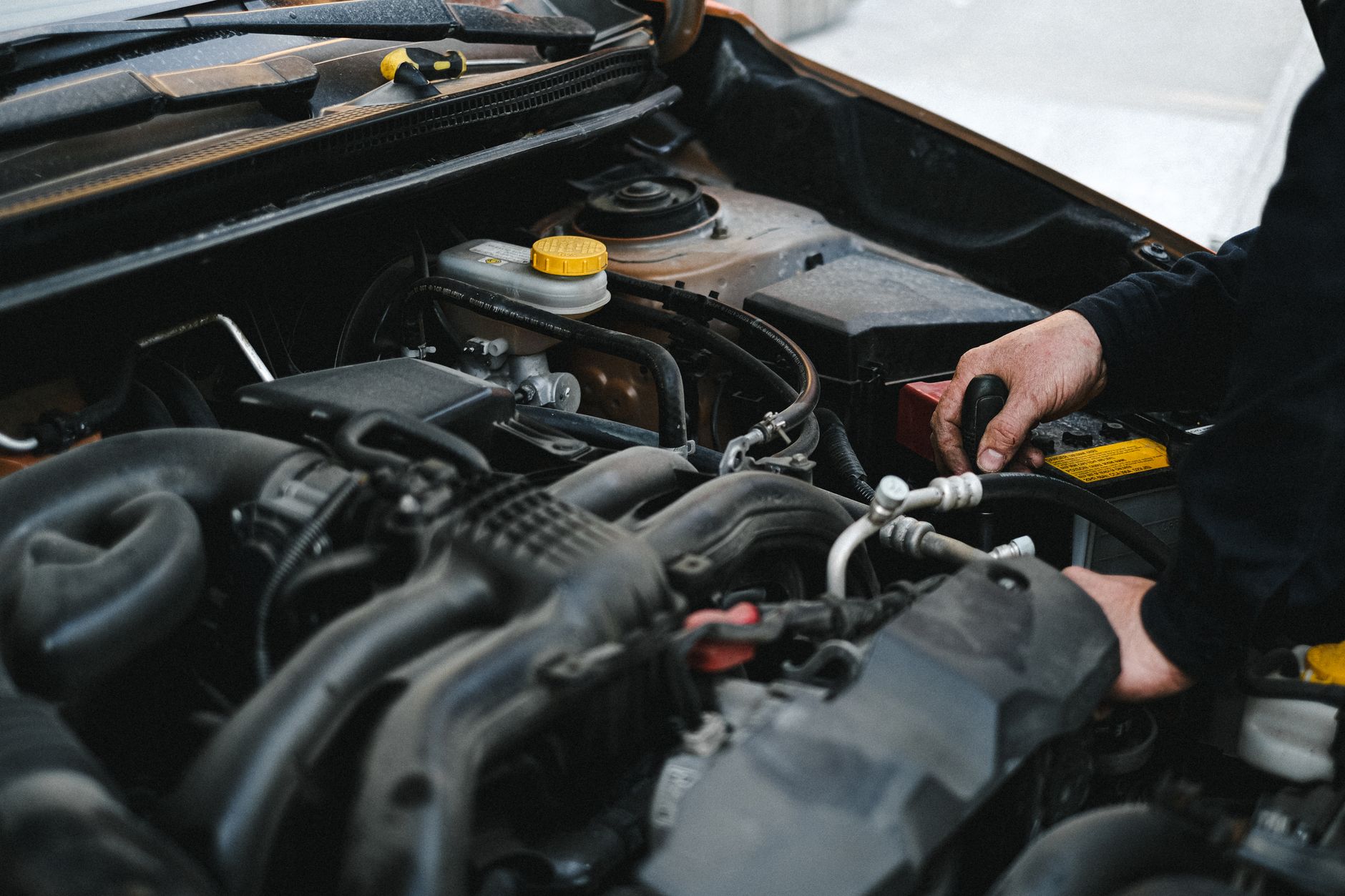
- Inspect for obvious vacuum leaks, loose wires, or damaged hoses under the hood.
- Clear the code and see if the light returns. If it does, schedule a professional diagnosis.
Reading the trouble code is the quickest way to narrow down the cause. If you don't already own an OBD2 scanner, an affordable Bluetooth model can turn your smartphone into a diagnostic tool. For recommendations, check our guide on the best bluetooth OBD2 scanners for android.
Frequently Asked Questions
Is it safe to drive with the check engine light on if the car runs fine?
Yes, it is generally safe for short trips. The car is still drivable, but you should diagnose the code as soon as possible. Some issues like a bad catalytic converter can worsen over time, so don't ignore the light indefinitely.
Can a check engine light come on and then turn off by itself?
Yes. If the underlying issue is intermittent or fixes itself (e.g., a loose gas cap that later seals), the light may turn off after several drive cycles. However, the trouble code remains stored in the computer for diagnosis.
Why is my check engine light on but no symptoms?
Many sensors and emissions components can trigger the light without affecting engine performance. Common examples include a failing oxygen sensor, a small EVAP leak, or a slow-acting catalytic converter. The car's computer is detecting a problem that hasn't yet manifested in driveability.
Will disconnecting the battery reset the check engine light?
Disconnecting the battery for 10-15 minutes can clear the light and reset the system. However, the underlying issue remains. The light will likely return once the computer runs its self-check again. It's better to diagnose the code first.
How long can I drive with the check engine light on before it's a problem?
It depends on the cause. For a loose gas cap, you can drive indefinitely. For a failing catalytic converter or oxygen sensor, weeks or months might pass before performance drops. But ignoring the light could lead to costly repairs, so don't delay diagnosis beyond a few days.
Related Guides
- Best OBD2 Scanner That Can Reset ABS Light
- Top 10 OBD2 Scanners with Lifetime Updates
- Best OBD2 Scanner for Beginners
- Top Budget OBD2 Scanner Picks for Drivers in
Final Thoughts
A check engine light on a car that runs fine is usually a sign of a minor emissions or sensor issue, not a catastrophic failure. The smartest first step is reading the trouble code with an OBD2 scanner. Once you know the code, you can decide whether to fix it yourself or visit a mechanic. For a trusted scanner recommendation, see our roundup of the best Bluetooth OBD2 scanners for iPhone in 2026.