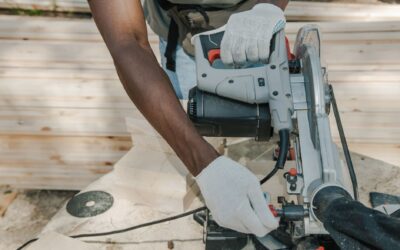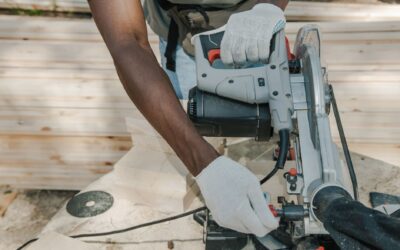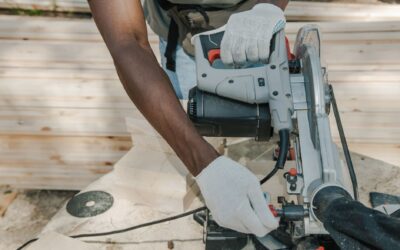
Your miter saw is burning wood because the blade is cutting too slowly through the material, generating excessive friction and heat. This typically happens when the blade is dull, dirty, or the wrong type for the cut, when you are feeding the saw too slowly, or when the saw’s RPM is mismatched to the blade size. Other common causes include a warped blade, improper blade alignment, resin buildup on the teeth, or cutting material that is too thick for the saw’s capacity. Identifying the specific cause in your setup is the first step to getting clean, burn-free cuts.

Dull or Damaged Blade
A dull blade is the most common reason your miter saw burns wood. Over time, the carbide tips wear down, and the blade no longer slices through fibers cleanly. Instead, it rubs and grinds, generating heat that scorches the wood.
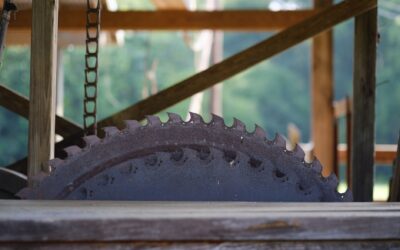
Inspect the blade teeth for chips, missing tips, or rounded edges. If you see damage or the blade is several years old with heavy use, replacement is the only reliable fix. A sharp blade cuts with minimal resistance and leaves a smooth surface.
Wrong Blade Type for the Material
Using a blade designed for ripping (fewer teeth, larger gullets) on a miter saw that makes crosscuts can cause burning. A crosscut blade needs a higher tooth count (60 to 80 teeth for a 10-inch blade) to shear fibers cleanly.
Also, blades meant for softwoods may burn hardwoods, and vice versa. Check the blade’s labeling for the intended material. A general-purpose blade with 40 to 60 teeth works for most DIY work, but for fine finish cuts, a dedicated crosscut blade is better.
Feeding the Saw Too Slowly
When you push the saw through the cut too slowly, the blade spins in place and rubs against the wood instead of cutting through. This friction heats the blade and burns the wood fibers.
You want a steady, firm feed rate that lets the blade do the work without stalling. If you hear the motor bog down, you are feeding too fast. If you see smoke or burn marks, you are feeding too slow. Practice on scrap to find the rhythm.
Blade Not Square or Parallel to the Fence
If the blade is not perfectly square to the miter saw’s fence, the trailing edge of the blade rubs against the cut surface as the saw exits the cut. This creates a burn mark on the side of the wood.
Check the blade’s alignment with a square against the fence. Most miter saws have adjustment screws for the bevel and miter angles. A misaligned blade also causes inaccurate cuts, so fixing it improves both burn marks and precision.
Resin or Pitch Buildup on the Blade
Sticky resin from pine, cedar, or other softwoods accumulates on the blade teeth and body. This buildup insulates the teeth, reducing their cutting efficiency and increasing friction.
Clean the blade with a specialized blade cleaner or a solution of warm water and mild detergent. For heavy buildup, use a commercial resin remover. A clean blade cuts cooler and leaves less burn.
Warped or Bent Blade
A blade that is not perfectly flat wobbles as it spins, causing some teeth to cut deeper and others to rub. This uneven contact generates heat and burns the wood in patches.
Place the blade on a flat surface and check for gaps underneath. A warped blade cannot be straightened; it must be replaced. Always store blades flat or in a protective case to prevent warping.
Cutting Material That Is Too Thick for the Saw
Every miter saw has a maximum depth of cut. If you try to cut lumber that exceeds this limit, the blade struggles to clear the kerf, and the motor labors. The resulting friction burns the wood.
Check your saw’s specifications. For thick stock, make the cut in two passes: the first a shallow scoring cut, the second a full depth cut. This reduces the load on the blade and minimizes heat buildup.
How to Fix Miter Saw Burning Wood
- Replace a dull or damaged blade with a sharp, appropriate crosscut blade.
- Match the blade tooth count to the material: 60-80 teeth for finish crosscuts.
- Feed the saw at a steady pace without slowing down mid-cut.
- Square the blade to the fence using the saw’s adjustment screws.
- Clean resin buildup from the blade with a dedicated cleaner.
- Replace a warped blade with a flat one.
- Reduce the depth of cut or make two passes for thick lumber.
If you are still seeing burn marks after checking these causes, your saw may have a mechanical issue like a worn arbor or bearing.
Frequently Asked Questions
Can a dirty blade cause burning?
Yes, resin and pitch buildup on the blade teeth reduce cutting efficiency and increase friction, which generates heat. Cleaning the blade regularly prevents this.
Does blade speed affect burning?
Yes, if the blade RPM is too low for the material, the blade struggles to cut and burns. Most miter saws run at a fixed speed, but using a blade designed for that speed helps.
Why does my miter saw burn only one side of the cut?
Burning on one side usually indicates the blade is not parallel to the fence, causing the trailing edge to rub. Adjust the blade alignment to fix it.
Can a new blade still burn wood?
Yes, if the new blade is the wrong type (e.g., a ripping blade for crosscuts) or if the saw is fed too slowly. Always match the blade to the cut type and material.
Related Guides
- Circular Saw Not Cutting Straight
- Why Does My Miter Saw Not Cut Straight
- Why Does My Circular Saw Burn the Wood?
Final Thoughts
Burning wood with your miter saw is almost always fixable by addressing the blade condition, feed rate, or alignment. Start with the most common cause a dull blade and work through the list.