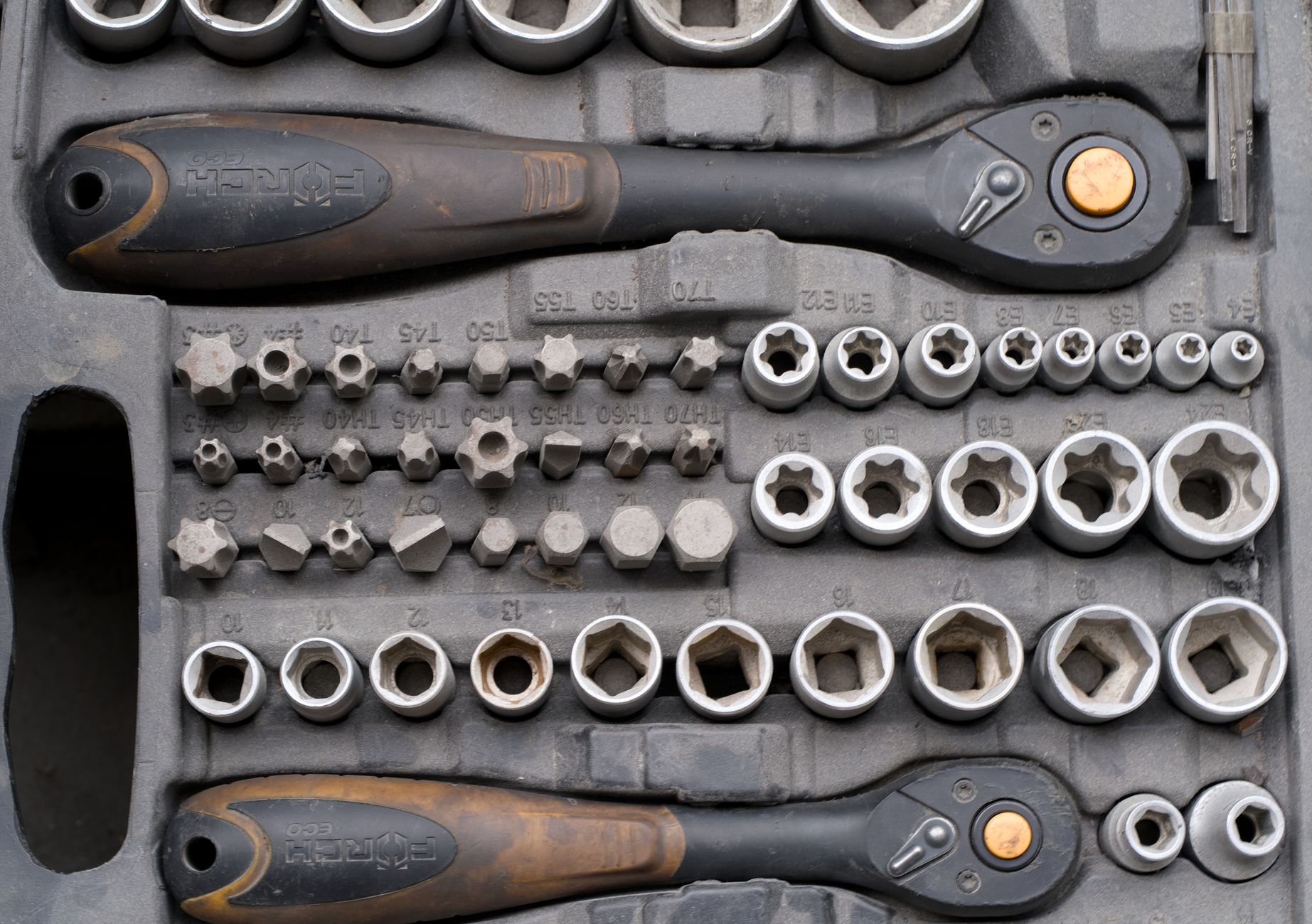
Your socket keeps falling off the ratchet because the detent ball or retaining mechanism inside the ratchet head is worn, dirty, or damaged, or because the socket itself has a worn or oversized square drive hole. This is a common issue with older or heavily used tools, and it usually has a straightforward fix.
Worn Detent Ball on the Ratchet
The detent ball is a small spring-loaded ball bearing inside the ratchet head that presses into a corresponding groove inside the socket. Over time, this ball can wear down from repeated use, losing its ability to hold the socket firmly. When the ball is flat or worn, even a minor bump can cause the socket to pop off.
Check the detent ball by looking at the square drive of your ratchet. If the ball appears flat, missing, or does not spring back when pressed, it needs replacement. Some ratchets allow you to replace just the detent ball and spring, while others require a new ratchet head or entire tool.
Weak or Broken Detent Spring
The detent ball is pushed outward by a small spring inside the ratchet head. If that spring loses tension or breaks, the ball will not press firmly into the socket groove. This can happen gradually with age or suddenly if the spring snaps.
You can test the spring by pressing the detent ball with your finger. It should move inward with noticeable resistance and spring back fully. If it feels mushy or does not return, the spring is likely the problem. Replacing the spring is usually a simple repair if you can access the ratchet internals.
Dirt or Debris in the Ratchet Head
Grease, dirt, metal shavings, or other debris can build up inside the ratchet head and prevent the detent ball from moving freely. When the ball cannot fully extend, it cannot grip the socket groove properly. This is especially common with ratchets used in dirty environments like automotive work.
Cleaning the ratchet head often resolves this issue. Remove the ratchet mechanism if possible, or spray a degreaser into the head while working the mechanism. Wipe away all old grease and debris, then relubricate with a light oil. Test the detent ball afterward to ensure it moves freely.
Worn or Oversized Socket Drive Hole
The socket itself can be the culprit. The square drive hole in the socket has a small groove that the detent ball locks into. If that groove is worn down, or if the entire drive hole is stretched or damaged from overuse or overtightening, the socket will not stay on the ratchet.
Inspect the socket by trying it on a known good ratchet. If it falls off that ratchet too, the socket is worn. Discard that socket and replace it with a new one. Using a worn socket can be dangerous, as it may slip under load and cause injury.
Using the Wrong Socket Size
While most sockets and ratchets are clearly marked with their drive size (1/4″, 3/8″, 1/2″, etc.), it is possible to force a socket onto a slightly smaller ratchet drive. For example, a 1/4″ drive socket will not properly engage with a 3/8″ drive ratchet, and it will fall off easily. Even if it seems to fit loosely, it is not secure.
Always verify that the socket and ratchet share the same drive size. Look for stamped markings on both tools. If you are unsure, try the socket on a ratchet of the same drive size from a different set to confirm compatibility.
Low Quality or Damaged Ratchet
Some budget or poorly made ratchets have detent mechanisms that are weak from the start. The detent ball may be undersized, the spring may lack tension, or the entire mechanism may be poorly machined. In these cases, the socket may never hold securely, even when new.
If your ratchet is a no-name brand or shows signs of poor manufacturing, consider replacing it with a tool from a reputable brand. Even mid-range ratchets from known manufacturers usually have reliable detent systems that last for years.
How to Fix a Socket That Keeps Falling Off
- Clean the ratchet head thoroughly with degreaser and relubricate it.
- Inspect and replace the detent ball and spring if worn or broken.
- Test the socket on a different ratchet to see if the socket is worn.
- Check that the socket and ratchet drive sizes match.
- Replace a low quality or damaged ratchet with a better one.
Frequently Asked Questions
Can I use a magnet to keep my socket on the ratchet?
Using a magnet is not recommended as a permanent fix. It can interfere with the ratchet mechanism and may not provide enough holding force under load. It is better to repair or replace the worn parts.
Will a socket adapter help if the socket keeps falling off?
No, a socket adapter will not solve the problem. The adapter itself relies on the same detent mechanism to hold the socket, so it will have the same issue if the detent is worn. Fix the root cause instead.
How often should I clean my ratchet head?
Clean your ratchet head every few months if you use it regularly, or whenever you notice it becoming sticky or difficult to operate. Regular cleaning and lubrication will extend the life of the detent mechanism.
Can I replace just the detent ball in my ratchet?
Yes, many ratchets allow replacement of the detent ball and spring. Check your ratchet’s design. Some require disassembly from the side, while others have a retaining ring. Replacement parts are often available from the manufacturer.
You may also find our guide on why a drill bit keeps slipping helpful.
Closing
A socket that keeps falling off is almost always due to a worn detent ball, weak spring, dirt, or a damaged socket, and each has a clear fix.