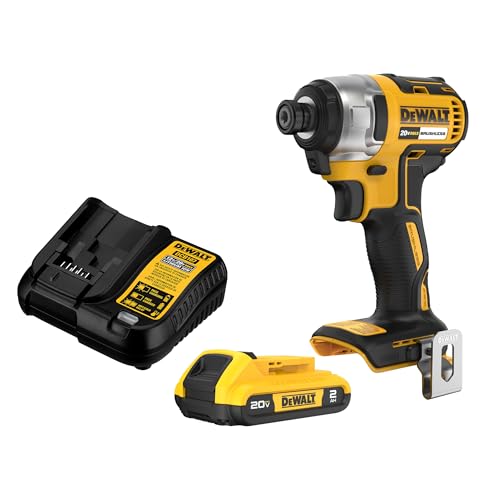
An impact driver is best for driving long screws into dense materials, while a drill is better for drilling holes and driving smaller fasteners with more control. The core difference lies in their mechanisms: a drill uses torque and variable speed to rotate a bit, while an impact driver combines rotational force with concussive blows to deliver high torque for tough jobs. Understanding this distinction helps you pick the right tool for your project, whether you’re assembling furniture or framing a wall.

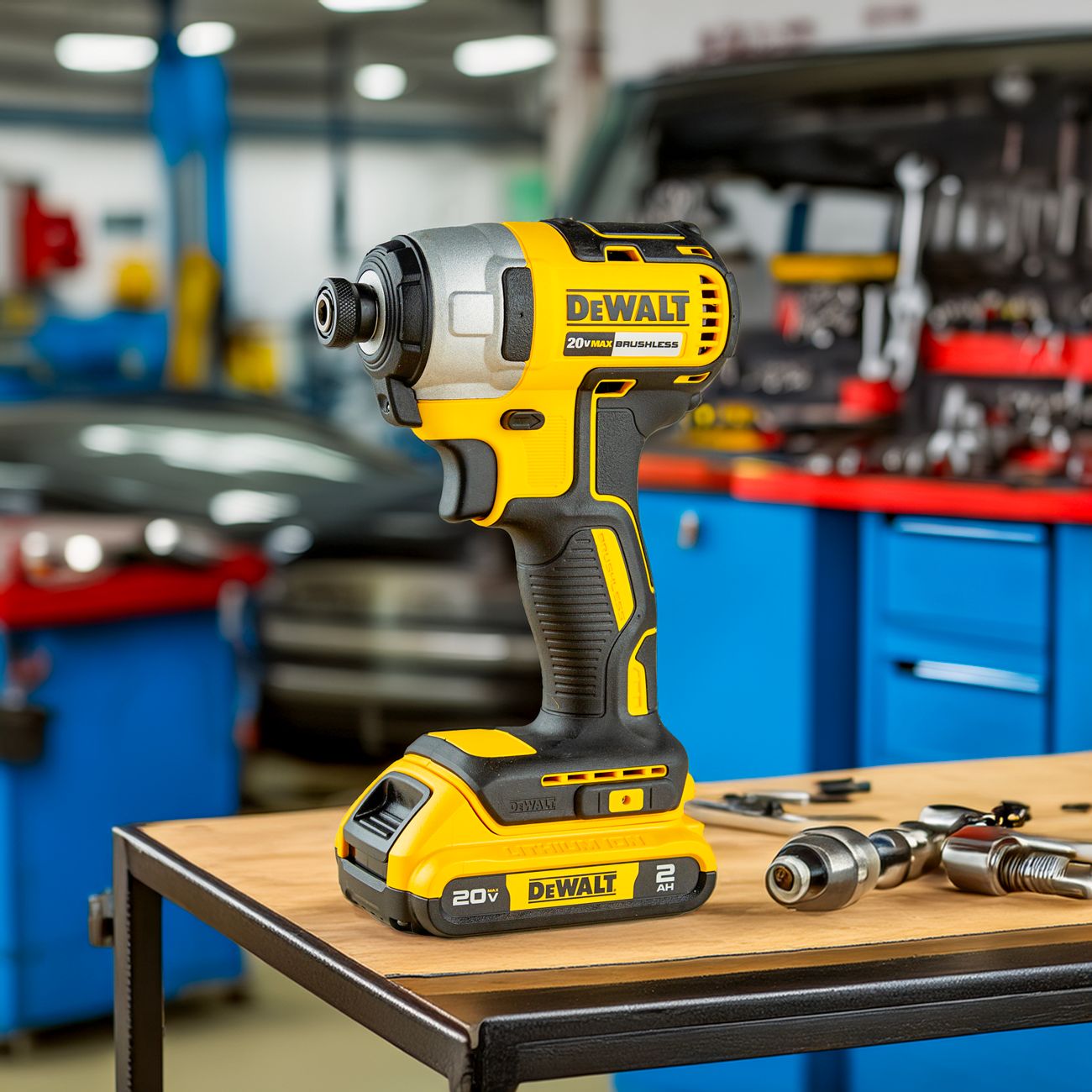
Torque and Power: How Each Tool Delivers Force
A drill delivers steady, rotational torque that you control with the trigger. This makes it ideal for tasks where precision matters, like drilling pilot holes or driving screws into softwood. The torque is consistent and adjustable, giving you fine control over the fastener’s depth.
An impact driver, on the other hand, delivers high torque in rapid bursts. Each burst is a combination of rotation and a hammering action that drives the fastener forward with immense force. This makes it far more effective for driving long lag bolts or self-tapping screws into metal or hardwood, where a drill would struggle or stall.
Chuck Design: Key to Versatility
Drills use a three-jaw chuck that accepts round shank bits, including drill bits, hole saws, and mixing paddles. You can tighten the chuck by hand or with a key, allowing you to swap bits quickly for different tasks. This versatility is why a drill is often the first tool a DIYer buys.
Impact drivers use a collet that only accepts hex shank bits (1/4 inch standard). This design is simpler and more secure for high-torque applications, but it limits you to bits with a hex shank. You cannot use standard round shank drill bits or hole saws without an adapter, which can reduce performance.
When to Use an Impact Driver vs Drill for Common Tasks
For drilling holes in wood, drywall, or metal, a drill is the clear choice. Its chuck accepts all standard drill bits, and the variable speed gives you control over the drilling depth and finish. For driving screws into soft materials like pine or drywall, a drill with a clutch prevents overdriving and stripping the screw head.
An impact driver excels at driving fasteners into dense materials like hardwood, concrete, or metal. If you are building a deck, installing cabinets, or hanging drywall, an impact driver will save you time and effort. It is also the better tool for removing stubborn, rusted bolts or screws that a drill would cam out on.
Control and Precision: Which Tool Offers More?
Drills offer superior control thanks to their adjustable clutch and variable speed trigger. You can set the clutch to slip at a specific torque, preventing you from overdriving a screw into delicate material. This makes a drill the better choice for tasks like installing hinges or assembling furniture where precision is critical.
Impact drivers are less precise because the hammering action can cause the fastener to drive deeper than intended. They also produce more vibration and noise, which can be fatiguing over time. For most DIYers, a drill is the more versatile and controllable tool for everyday tasks.
Size and Weight: Practical Considerations
Impact drivers are typically more compact and lighter than drills of similar power. This makes them easier to maneuver in tight spaces, like inside a cabinet or between studs. Their shorter length also gives you better leverage when driving fasteners in awkward positions.
Drills tend to be longer and heavier due to the chuck and gearbox. While this can make them less comfortable for overhead work, the extra weight provides stability when drilling large holes. For most users, the weight difference is small, but it becomes noticeable during extended use.
How to Fix the Impact Driver vs Drill Dilemma
- If you need to drill holes, choose a drill.
- If you need to drive long screws into dense material, choose an impact driver.
- If you need both, consider buying a combo kit that includes both tools.
For most homeowners, a good drill is the more practical first purchase. If you find yourself tackling projects that require driving large fasteners into hardwood or metal, an impact driver is a worthwhile addition.
Frequently Asked Questions
Can I use an impact driver to drill holes?
Yes, but only with hex shank drill bits. The impact driver’s collet does not accept round shank bits, so you need an adapter or bits designed specifically for impact drivers. Performance is generally inferior to a dedicated drill for larger holes.
Which tool is better for driving screws into drywall?
A drill with a clutch is better for drywall because it prevents overdriving and damaging the paper surface. An impact driver can easily drive a screw too deep, requiring patching. For setting screws to the correct depth, a drill offers more control.
Is an impact driver worth it for a beginner?
It depends on your projects. If you are assembling furniture or hanging shelves, a drill is sufficient. If you plan to build decks, install fencing, or do heavy framing, an impact driver will save significant time and effort. Many beginners start with a drill and add an impact driver later.
Can I use a drill bit in an impact driver?
Only if the drill bit has a 1/4 inch hex shank. Standard round shank bits will not fit in the collet. You can purchase hex shank drill bits or use a hex shank adapter, but the adapter reduces the tool’s compactness and may affect balance.
Related Guides
Conclusion
Choosing between an impact driver and a drill comes down to your primary tasks: drilling holes calls for a drill, while driving large fasteners calls for an impact driver.