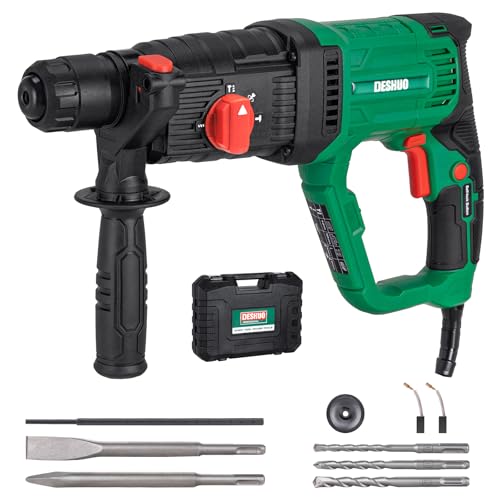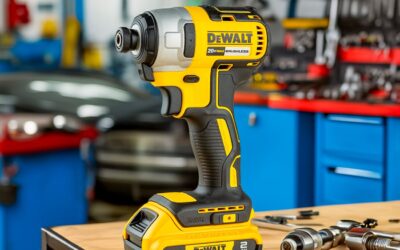
The simplest answer is that a hammer drill adds a hammering action to the rotation, making it ideal for drilling into hard materials like concrete, brick, or stone, while a regular drill is best for wood, metal, drywall, and plastic. If you only drill into wood or metal, a regular drill is all you need. If you ever need to drill into masonry, a hammer drill will save you time and frustration. Understanding the difference between a hammer drill vs regular drill comes down to the materials you work with and how often you need that extra impact.
How a Hammer Drill Works
A hammer drill uses a specialized mechanism that causes the chuck to move forward and backward in rapid succession while the bit rotates. This hammering action, measured in blows per minute (BPM), chips away at hard surfaces like concrete or brick, allowing the drill bit to penetrate where rotation alone would struggle.
Most hammer drills let you switch between standard drilling mode and hammer drilling mode, so you can use the same tool for both types of work. However, the hammering mechanism adds weight and complexity compared to a regular drill.
How a Regular Drill Works
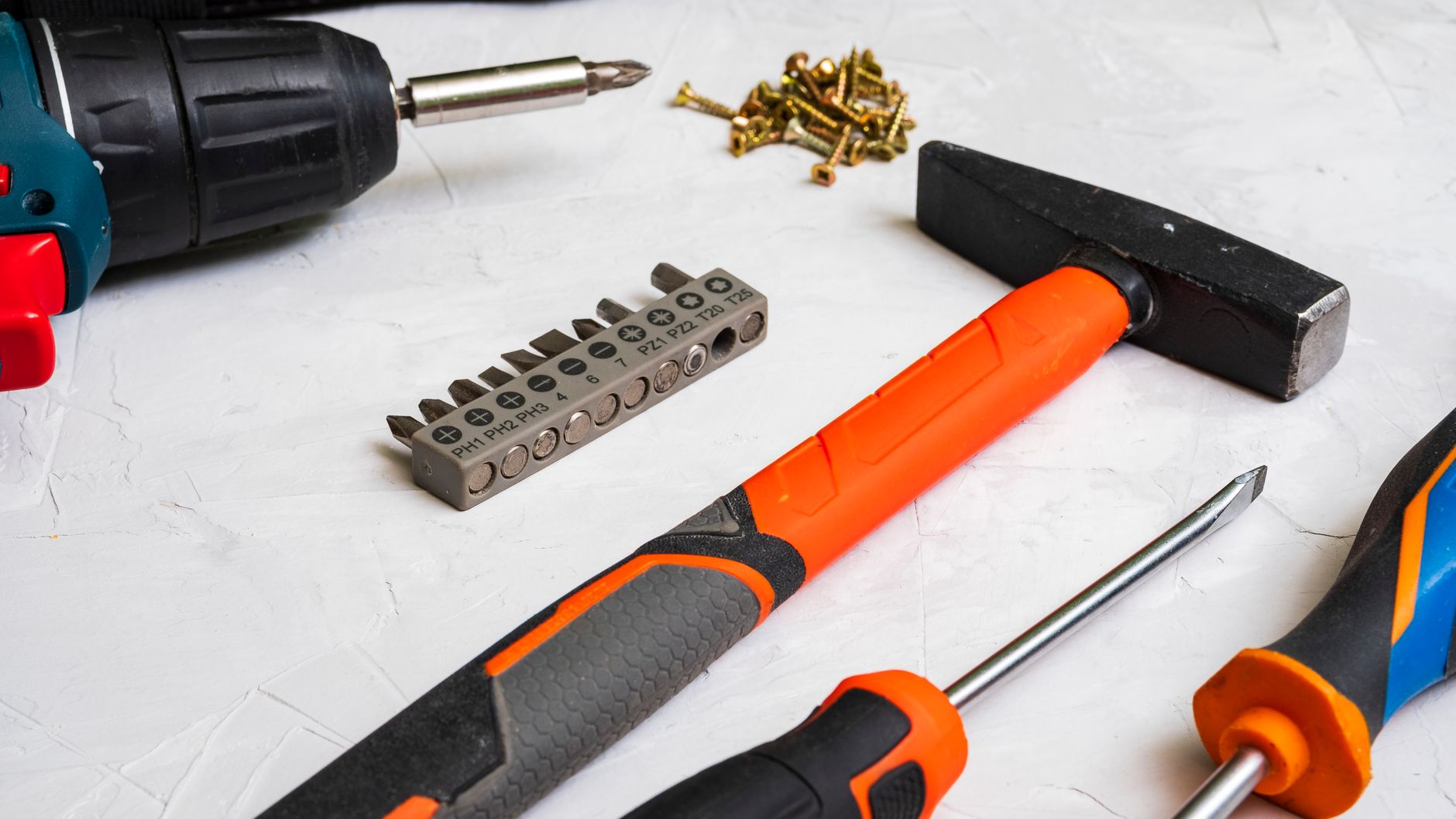
A regular drill, also called a drill/driver, uses pure rotational force to bore holes. Its motor turns the chuck, which spins the drill bit. The bit’s cutting edges shear away material as it rotates. This works well for softer materials like wood, drywall, plastic, and metal.
Regular drills are generally lighter, more compact, and more affordable than hammer drills. They also tend to have higher RPMs, which makes them faster for drilling into soft materials and for driving screws.
When to Choose a Hammer Drill
You should choose a hammer drill when your project involves drilling into concrete, brick, stone, block, or mortar. This includes tasks like mounting a TV bracket to a concrete wall, installing anchors in a brick facade, or drilling into a concrete floor for a railing.
For occasional masonry work, a standard hammer drill with a 1/2-inch chuck is sufficient. For frequent or heavy-duty masonry drilling, you might benefit from a rotary hammer, which is a more powerful cousin of the hammer drill, but that is a separate tool category.
When to Choose a Regular Drill
A regular drill is the right choice for woodworking, furniture assembly, drywall installation, metal drilling, and driving screws. If you never drill into masonry, you do not need a hammer drill. A regular drill will be lighter, easier to handle, and less expensive.
For most homeowners and DIYers, a regular drill is the more versatile everyday tool. It handles the vast majority of household tasks, from hanging pictures to building shelves.
Key Differences in Performance and Features
The main difference between a hammer drill vs regular drill is the hammering action. Hammer drills deliver thousands of blows per minute, which allows them to pulverize hard materials. Regular drills rely solely on rotational torque.
Hammer drills typically have lower maximum RPMs than regular drills, which means they are slower for drilling into wood or metal. They are also heavier and louder due to the hammering mechanism. Regular drills offer more control for precision work and are quieter.
Corded vs Cordless: Does It Matter for This Choice?
Both hammer drills and regular drills come in corded and cordless versions. Cordless models offer portability and convenience, while corded models provide consistent power without battery concerns.
For a hammer drill used on concrete, a corded model may be preferable because masonry drilling demands sustained high power that can drain batteries quickly. For a regular drill used around the house, cordless is usually the better choice for its ease of use.
How to Decide Between a Hammer Drill and a Regular Drill
- If you need to drill into concrete, brick, or stone, choose a hammer drill.
- If you only drill into wood, metal, drywall, or plastic, a regular drill is sufficient.
- If you do both types of work, consider a hammer drill with a switchable hammer mode.
- If you need a lightweight tool for driving screws and drilling soft materials, stick with a regular drill.
- If you are a DIY homeowner, a regular drill is likely the better all-around choice.
Frequently Asked Questions
Can I use a regular drill bit in a hammer drill?
Yes, you can use standard drill bits in a hammer drill when it is in regular drilling mode. However, for masonry drilling, you should use carbide-tipped masonry bits designed to withstand the hammering action. Using standard bits on concrete will dull them quickly.
Is a hammer drill too powerful for wood?
A hammer drill is not too powerful for wood, but it is unnecessary. Using the hammering action on wood can cause splintering and tear-out. Simply switch the hammer drill to regular drilling mode, and it functions like a standard drill, though it will be heavier and slower.
Can I use a hammer drill as a regular drill?
Yes, most hammer drills have a switch that disengages the hammering mechanism, allowing them to function as a regular drill. This makes a hammer drill a versatile option if you occasionally need to drill into masonry but primarily work with wood or metal.
What is the difference between a hammer drill and an impact driver?
A hammer drill is designed for drilling into hard materials using a forward hammering action. An impact driver is designed for driving screws and bolts using a rotational impact that delivers high torque. They serve different purposes: hammer drills for drilling, impact drivers for fastening.
Do I need a hammer drill for brick?
Yes, drilling into brick is much easier and faster with a hammer drill. A regular drill will struggle and may overheat or stall. For brick, a hammer drill with a masonry bit is the recommended tool.
Related Guides
Final Thoughts
The choice between a hammer drill vs regular drill comes down to the materials you drill into most often. If concrete or brick is in your future, get a hammer drill. If not, a regular drill is the better everyday tool.