Your air fryer is smoking because excess oil, food residue, or grease buildup is burning inside the cooking chamber. This is the most common reason for smoke, and it usually happens when you use too much oil on foods like frozen fries or breaded items, or when leftover crumbs and grease from previous uses get reheated. The air fryer circulates hot air at high speed, which can quickly turn small amounts of leftover oil into visible smoke. Understanding the exact cause helps you fix it fast and prevent it from happening again.
Excess Oil on Food
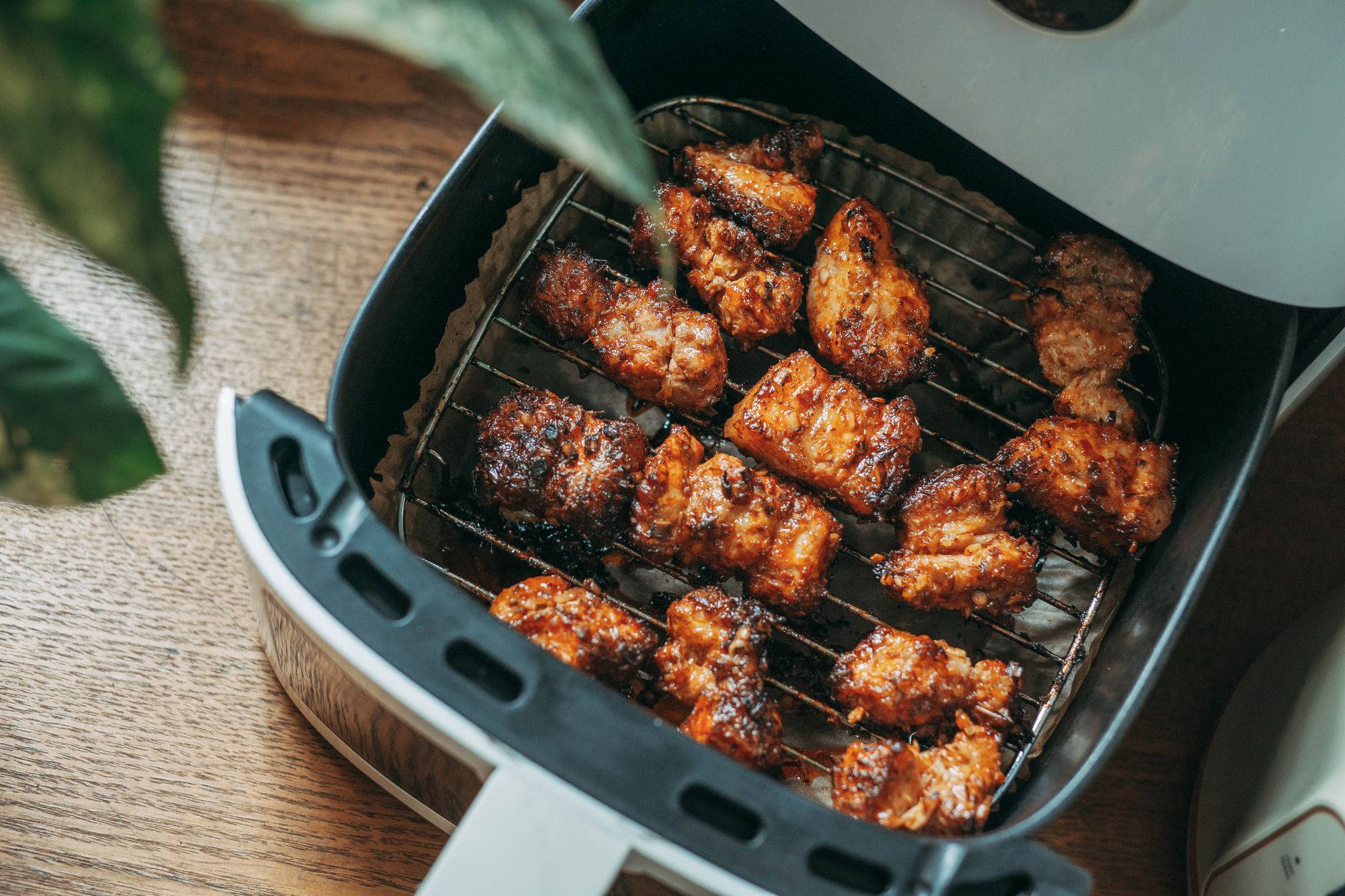
The single most common reason your air fryer is smoking is that you have used too much oil on the food you are cooking. Air fryers require very little oil to achieve a crispy texture, often just a light spray or a teaspoon. When you coat food heavily in oil, that excess drips to the bottom of the basket and burns, producing smoke. This is especially true for frozen foods that already have a coating, like french fries or chicken nuggets, which do not need additional oil at all.
To prevent this, use an oil spray bottle to apply a thin, even mist rather than pouring oil directly onto food. For frozen items, skip the extra oil entirely and cook them as is. If you see smoke early in the cooking cycle, pause the air fryer and check the basket for pooled oil. Wiping it away with a paper towel can stop the smoke immediately.
Grease and Food Residue Buildup
Another frequent cause of smoke is leftover grease and food particles stuck to the basket or heating element from previous uses. Even if you wiped the basket clean after your last meal, tiny bits of oil or crumbs can remain and burn when the air fryer preheats. Over time, this residue can build up into a sticky layer that smokes every time you cook. The heating element itself, usually located at the top of the unit, can also accumulate grease splatter that burns off during cooking.
Cleaning the basket and drawer thoroughly after every use is the best prevention. Use warm soapy water and a non-abrasive sponge to remove all grease. For the heating element, unplug the air fryer and let it cool completely, then gently wipe the element with a damp cloth or a soft brush. Avoid using metal tools that could damage the element or scratch the non-stick coating.
Cooking at Too High a Temperature
Every air fryer model has a maximum temperature, typically around 400°F. If you set the temperature too high for a particular food, the oil on the surface can reach its smoke point and start burning. This is especially common with oils that have a low smoke point, such as extra-virgin olive oil or butter. When the oil smokes, it also releases an unpleasant smell and can leave a bitter taste on your food.
Check the recommended cooking temperature for the food you are preparing. Most frozen foods suggest a temperature between 375°F and 400°F, but homemade items may need a lower setting. If your air fryer has a smoke point warning in the manual, take note of it. Switching to an oil with a higher smoke point, like avocado oil or refined coconut oil, can also help if you are cooking at high heat.
Overcrowding the Basket
Putting too much food in the basket can cause smoking because the air cannot circulate properly. When food is packed tightly, moisture gets trapped and steams instead of crisping, which can lead to uneven cooking. Meanwhile, the oil and juices from the food pool at the bottom instead of being distributed by the airflow. This pooled liquid then burns and creates smoke. Overcrowding also forces you to cook longer, which increases the chance of burning.
Fill the basket no more than halfway for most foods, and leave space between pieces so hot air can move freely. If you need to cook a large batch, do it in multiple smaller batches. You will get better results and far less smoke. A single layer of food is ideal for crispy results without smoke.
Using the Wrong Type of Oil
Some oils are not suitable for air frying because they have low smoke points that cause them to burn at normal cooking temperatures. Oils like extra-virgin olive oil, unrefined coconut oil, and butter have smoke points between 325°F and 375°F, which is below the typical air fryer operating range. When these oils reach their smoke point, they decompose and produce smoke, along with potentially harmful compounds.
For air frying, choose oils with high smoke points, such as avocado oil (520°F), refined coconut oil (450°F), or grapeseed oil (420°F). These oils can handle the high heat without smoking. If you prefer the flavor of olive oil, use a light or refined version, which has a higher smoke point than the extra-virgin variety.
Food with High Fat Content
Some foods naturally release a lot of fat as they cook, which can drip onto the heating element or pool in the bottom of the basket and smoke. Bacon, sausages, fatty cuts of meat, and foods coated in batter are common culprits. The rendered fat can splatter and burn, especially if the air fryer is not designed to handle large amounts of dripping grease. This is different from adding too much oil yourself; it is the food’s own fat causing the problem.
To manage this, place a slice of bread or a piece of aluminum foil under the basket to catch dripping fat, or use a liner designed for air fryers. You can also cook high-fat foods at a slightly lower temperature to reduce splatter, and check the basket halfway through cooking to remove any pooled grease. Some air fryers have a drip tray that collects excess fat, so make sure it is in place and not full.
How to Fix a Smoking Air Fryer
Here is a quick checklist of actions to take when your air fryer starts smoking, based on the causes above. Follow these steps in order to identify and fix the issue quickly.
- Pause the cooking cycle and check the basket for pooled oil or grease. Wipe it away with a paper towel.
- Reduce the amount of oil you use on food, especially frozen items that already have a coating.
- Clean the basket and heating element thoroughly after each use to remove built-up residue.
- Lower the cooking temperature by 25 to 50°F if you are using an oil with a low smoke point.
- Avoid overcrowding the basket; cook in smaller batches if needed.
- Switch to an oil with a high smoke point, such as avocado or refined coconut oil.
- For fatty foods, use a liner or drip tray to catch excess grease before it burns.
If you have tried these fixes and your air fryer still smokes, it may be worth checking the appliance’s internal components. While the topic is different, the approach to identifying and fixing a recurring problem is similar.
Frequently Asked Questions
Is it normal for a new air fryer to smoke the first time I use it?
Yes, a small amount of smoke on the first use is normal. New air fryers often have a protective coating on the heating element that burns off during the initial preheat. Run the air fryer empty at 400°F for 10 to 15 minutes before you cook food to burn off this residue and prevent it from affecting your first meal.
Can a smoking air fryer be a fire hazard?
In most cases, a smoking air fryer is not an immediate fire hazard, but it can become one if left unattended. The smoke indicates that oil or grease is burning, which can ignite if enough accumulates. Always stay nearby while the air fryer is running, and unplug it if you see heavy smoke or flames. Keep the appliance clean to reduce risk.
Why does my air fryer smoke when I cook bacon?
Bacon releases a lot of fat as it cooks, which drips onto the heating element or pools in the basket and burns. To reduce smoke, cook bacon at a lower temperature (around 350°F) and place a slice of bread under the basket to absorb the dripping fat. You can also use a liner to catch grease before it burns.
Should I use parchment paper in my air fryer to prevent smoking?
Parchment paper can help catch drips and reduce smoke, but only if it is used correctly. Always place the paper under the food, not on top, and ensure it does not block the air vents. Never use parchment paper without food on top, as it can blow around and touch the heating element, causing a fire hazard. Perforated parchment liners designed for air fryers are a safer option.
How often should I clean my air fryer to prevent smoking?
You should clean the basket and drawer after every use to prevent grease buildup. The heating element should be wiped down every few uses, or whenever you notice smoke during preheat. A deep clean with warm soapy water once a week is sufficient for heavy use. Regular cleaning is the most effective way to prevent smoking.
Related Guides
- Air Fryer Not Heating Up
- Air Fryer Fan Not Working
- Why Is My Air Fryer So Loud?
- Why Does My Air Fryer Smell Like Plastic?
Final Thoughts
Smoke from your air fryer is almost always caused by excess oil, grease buildup, or cooking at too high a temperature, all of which are easy to fix with a few adjustments. Keep your air fryer clean and adjust your cooking habits, and the smoke should disappear.