You have a slab of concrete that needs holes for anchors, or maybe an old tile backsplash that has to come down. A standard drill spins fast but lacks the percussive force to break through hard materials. That is where a hammer drill comes in. This guide covers six top-rated hammer drills, from lightweight rotary hammers for overhead work to heavy-duty corded machines that chew through rebar. Whether you are a DIYer hanging shelves or a pro mounting conduit, you will find the right tool here. For more tool recommendations, check out our guide to the top router tools for woodworking in 2026.




Buying Guide
Power Source: Corded vs. Cordless
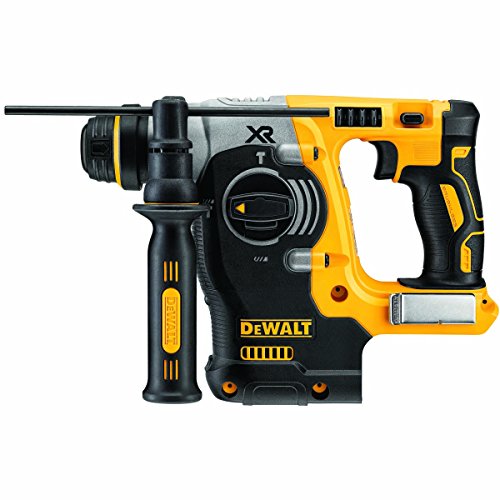
Your job site and access to power dictate the choice. Corded hammer drills, like the DEWALT D25263K, deliver unlimited runtime and consistent torque for punching through thick concrete. Cordless models, such as the DEWALT 20V MAX DCH273B, offer portability without dragging an extension cord across a wet floor. However, battery life becomes a limiting factor on heavy jobs. If you often work in attics or outdoors, a cordless drill frees you from the cord. For production drilling on a slab, a corded machine is more practical.
Impact Energy and Motor Power
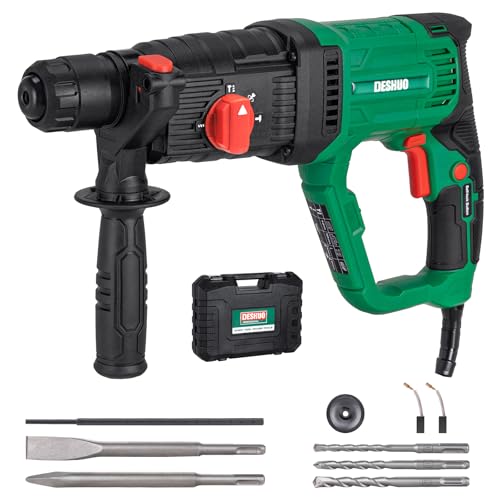
Impact energy, measured in joules, tells you how much force the hammer mechanism delivers per blow. A higher joule rating means faster drilling in dense concrete. The ENEACRO 1-1/4 Inch SDS-Plus packs 7.4 joules and a 13-amp motor, making it a beast for heavy demolition. The lightweight Deshuo rotary hammer delivers 3 joules, enough for typical home tasks like drilling into brick or masonry. Match the impact energy to the hardness of the material you will drill.
Chuck Type: SDS-Plus vs. Standard Keyless
SDS-Plus chucks, found on rotary hammers, allow tool-less bit changes and transfer more impact energy into the bit. They are essential for concrete drilling. Standard keyless chucks, like the one on the Hammerhead 7.5-Amp model, work with round-shank bits and are fine for masonry or wood, but they slip under heavy hammer action. If you will drill into concrete often, choose an SDS-Plus rotary hammer. Note that SDS-Plus bits are not compatible with regular drill chucks, so always use the correct bit type.
Vibration Control and Comfort
Prolonged hammer drilling can fatigue your hands and arms. Look for anti-vibration systems and adjustable handles. The DEWALT D25263K features SHOCKS Active Vibration Control, which significantly reduces vibration felt at the handles. The Milwaukee M12 Fuel weighs only 2.6 lbs, reducing fatigue in overhead or one-hand use. A comfortable grip and safety clutch also protect your wrists if the bit jams. For more tips on selecting tools, see our guide to the best router for beginners.
Final Thoughts
After reviewing these six models, we believe the best overall combination of power, portability, and value comes from two distinct tools. For heavy-duty concrete drilling and chipping, the ENEACRO 1-1/4 Inch SDS-Plus 13 Amp Heavy Duty delivers the highest impact energy and an impressive accessory kit at a fair price. If you need a lightweight, cordless solution for overhead anchors and light masonry work, the DEWALT 20V MAX SDS Rotary Hammer Drill, Cordless brings professional-grade vibration control and the freedom of battery power. No matter which you choose, always pair your hammer drill with high-quality SDS bits and a dust extraction system for a cleaner, safer worksite.
Related Guides
- Top Impact Drivers for DIY Projects in 2026
- Top Impact Drivers on Amazon
- Top 18V Impact Driver for 2026
Frequently Asked Questions
Can I use a regular drill bit in a hammer drill?
Only if the hammer drill has a standard keyless chuck. Most rotary hammers with SDS-Plus chucks require SDS-Plus bits. Using a regular bit in an SDS chuck will not secure it properly and may damage the bit. Check your tool’s chuck type before buying bits.
What is the difference between a hammer drill and a rotary hammer?
A hammer drill uses a cam-action mechanism that makes it suitable for occasional masonry drilling. A rotary hammer uses a piston mechanism that delivers much higher impact energy, making it essential for drilling into concrete and performing light chiseling. For most concrete work, a rotary hammer is the better choice.
How do I maintain a hammer drill?
Keep the SDS-Plus chuck clean and lubricate it per the manufacturer’s instructions. For corded models, check the carbon brushes periodically and replace them when worn. Cordless models require keeping the battery contacts clean and storing the battery in a cool, dry place. Regularly inspect the power cord for damage.
Which hammer drill is best for a DIY homeowner in 2026?
For light to moderate use around the house, the Deshuo 1″ SDS-Plus Lightweight Rotary Hammer Drill offers a great balance of price, weight, and features. It is easy to handle for overhead drilling and includes a vibration control system. If you prefer a cordless option, the Milwaukee M12 Fuel hammer drill is compact and powerful enough for many home projects. For more tool advice, visit our Tools category page.