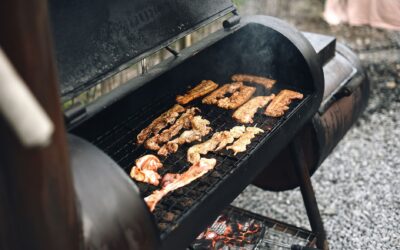
Pellet grill temperature fluctuates because of inconsistent pellet feed, poor airflow, or environmental factors like wind and cold. A properly functioning pellet grill should hold within 10-15 degrees of your set point. When you see wild swings of 30, 50, or even 100 degrees, something specific is going wrong. Understanding the root cause is the first step to getting steady heat back.
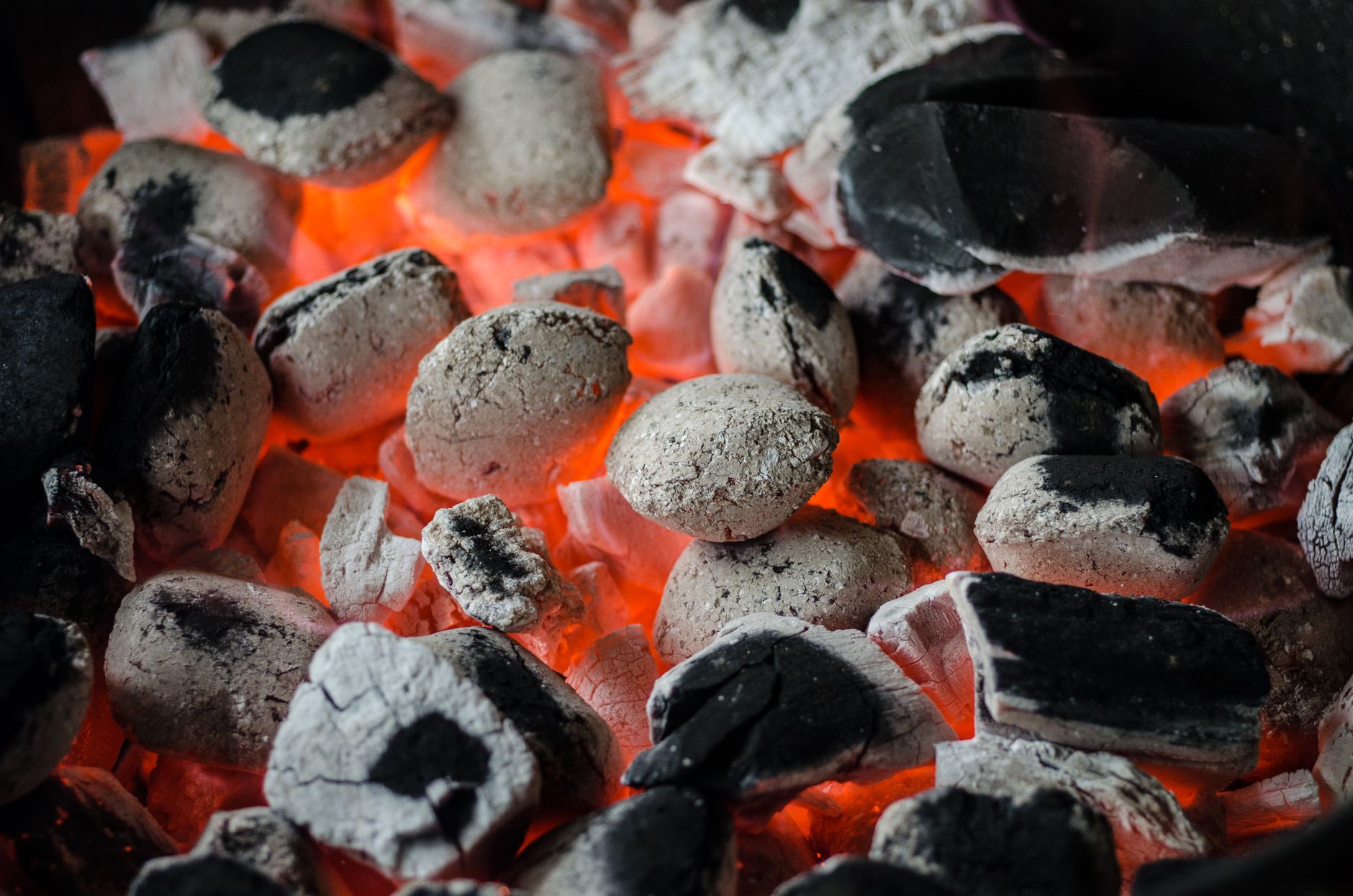
Inconsistent Pellet Feed Rate
The auger that moves pellets from the hopper into the firepot is the heart of your grill’s temperature control. If it stalls, skips, or feeds unevenly, the fire shrinks and then surges when a clump finally drops. This creates a cycle of low and high temperatures that never settles.
Check the auger for jams caused by pellet dust or a foreign object. Also inspect the auger motor; a failing motor can stop intermittently, starving the fire. Cleaning the hopper and auger tube regularly prevents dust buildup that slows feed.
Poor Airflow and Dirty Firepot
A pellet grill needs a steady stream of air to keep the fire burning evenly. Ash buildup in the firepot, on the igniter, or in the combustion fan blocks that airflow. When the fire gets too little air, it smolders and temperature drops. Then the controller calls for more pellets, and the fire flares up when air finally reaches it.
Clean the firepot after every few cooks, especially if you use high-fat meats that create more ash. Also clean the combustion fan intake and exhaust vents. Blocked vents from grease or debris are a common cause of pellet grill temperature fluctuates issues.
Wind and Weather Conditions
Pellet grills are sensitive to wind because they rely on a controlled airflow path through the firepot. A strong gust can push smoke out of the cook chamber faster than the controller expects, causing the temperature to drop. The controller then feeds more pellets, which overshoots when the wind dies down.
Position your grill in a sheltered spot, or use a wind block like a grill cover or portable barrier. On very cold days, the controller may struggle to maintain temperature because the metal body loses heat faster than the fire can replace it. Insulating blankets designed for your grill model help stabilize temps in cold weather.
Controller or Temperature Probe Issues
The controller reads the internal temperature of the grill through a probe and adjusts the auger speed accordingly. If that probe is dirty, loose, or failing, the controller gets wrong data. It might think the grill is hotter than it really is and slow the auger, or think it’s cold and overfeed.
Clean the temperature probe with a soft cloth or grill cleaner. Make sure it is securely mounted and not touching the grill wall or a heat deflector, which would give a false reading. If the probe is damaged, replacing it is usually a simple fix that stops pellet grill temperature fluctuates problems at the source.
Low-Quality or Mixed Pellets
Not all pellets burn the same. Cheap pellets often contain filler woods, bark, or binders that create more ash and burn at different rates. Switching between brands or using old, crumbly pellets can cause uneven heat because the fire size changes with each batch.
Use 100% hardwood pellets from a reputable brand. Store them in a dry, sealed container because moisture makes pellets swell and jam the auger. Sticking to one consistent brand helps the controller learn the burn rate and maintain steady temperature.
How to Fix Pellet Grill Temperature Fluctuations
- Clean the firepot and combustion fan after every few cooks to ensure proper airflow.
- Inspect the auger for jams and clean out pellet dust from the hopper and auger tube.
- Position the grill out of the wind or use a wind block and an insulating blanket in cold weather.
- Clean and check the temperature probe for damage or loose mounting.
- Use high-quality, dry 100% hardwood pellets from a consistent brand.
If you have tried all these steps and your grill still struggles, it may be time to look at controller upgrades or replacement parts. For a deeper dive into grill maintenance and troubleshooting, check out our guide on how to drill into concrete, while it covers a different tool, the principle of diagnosing a problem step by step is the same.
Frequently Asked Questions
Is it normal for a pellet grill to fluctuate 20 degrees?
A swing of 10-15 degrees around the set point is normal due to the natural cycle of pellet feeding and burning. A 20-degree swing is borderline and often indicates a minor issue like a dirty firepot or a gust of wind. If it happens regularly, check your airflow and pellet quality.
Can outside temperature affect my pellet grill?
Yes, extreme cold makes the grill body lose heat faster, forcing the controller to feed more pellets to compensate. This can lead to overshooting and undershooting. An insulating blanket designed for your grill helps reduce this effect and stabilizes cooking in winter.
Why does my pellet grill temperature spike when I open the lid?
Opening the lid lets cold air rush in and triggers a temperature drop. The controller responds by feeding extra pellets, which causes a temporary spike after you close the lid. This is normal and not a sign of a problem. Limit lid openings to minimize these swings.
How often should I clean my pellet grill to prevent temperature swings?
Clean the firepot and ash after every 3-5 cooks, or more often if you cook fatty meats. Deep clean the entire grill, including the auger and temperature probe, every 20-30 cooks. Regular maintenance is the best way to prevent pellet grill temperature fluctuates issues.
Related Guides
Steady Heat Starts with the Basics
Pellet grill temperature fluctuates most often because of a simple cause like a dirty firepot, a jammed auger, or wind. Checking these basics first will solve the problem for most grillers.