If your gas grill flame is low, the most common cause is a clogged burner or a problem with the gas supply, such as a nearly empty tank or a faulty regulator. This issue often leaves you with weak heat that struggles to sear food or cook evenly. Understanding why this happens is the first step to a quick fix.
Clogged Burner Tubes
Burner tubes are the metal channels where gas mixes with air before igniting. Over time, grease, food debris, and rust can partially block these tubes. When the flow is restricted, the gas cannot reach the burner ports evenly, causing a low flame or uneven heating.
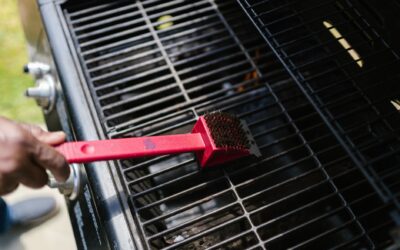
You can often spot a clogged burner by looking for yellow or orange flames instead of a steady blue flame. Cleaning the tubes with a grill brush or a specialized tube cleaner can restore proper gas flow. This is one of the easiest fixes to try first.
Low or Empty Propane Tank
A low propane tank is a straightforward reason your gas grill flame is low. As the tank empties, the pressure drops, reducing the amount of gas delivered to the burner. If you have a natural gas grill, a similar issue can occur if the supply valve is partially closed.
Check the tank’s fuel level by weighing it or using a gauge. If it is low, swapping or refilling the tank should restore full flame. For natural gas grills, ensure the main valve is fully open.
Faulty Regulator
The regulator controls the gas pressure from the tank to the grill. A common issue is the regulator entering a safety bypass mode, often triggered by opening the tank valve too quickly. This reduces gas flow and results in a low flame.
To reset the regulator, turn off all burner knobs and the tank valve, disconnect the regulator, wait a few minutes, then reconnect and slowly open the tank valve. If the problem persists, the regulator may need replacement.
Obstructed Gas Hose or Valve
The gas hose and valve can become kinked, pinched, or blocked by debris. A kinked hose restricts gas flow, while a partially blocked valve does the same. This is more common if the grill has been moved or stored recently.
Inspect the entire hose for bends, cracks, or obstructions. Straighten any kinks and ensure the hose is not pinched under the grill or against a wall. If the valve itself is stuck or damaged, it may need professional attention.
Dirty or Corroded Burner Ports
Over time, burner ports the small holes where gas exits can become clogged with grease or corroded from moisture. This reduces the number of active flames, making the overall flame appear low or uneven. Rust can also flake off and block the ports.
Cleaning the burner ports with a wire brush or a small drill bit can help. For heavy corrosion, replacing the burner may be necessary to restore proper performance.
How to Fix a Low Flame on Your Gas Grill
- Check and clean the burner tubes with a grill brush or tube cleaner.
- Verify the propane tank level and refill or replace if low.
- Reset the regulator by turning off everything, disconnecting, and slowly reopening the tank valve.
- Inspect the gas hose for kinks or blockages and straighten or replace as needed.
- Clean burner ports with a wire brush or small drill bit to remove debris.
If you have tried these steps and your gas grill flame is still low, it may be time to inspect the burner assembly or regulator more closely.
Frequently Asked Questions
Can a low flame damage my gas grill?
A low flame itself will not damage the grill, but the underlying cause such as a clogged burner or faulty regulator can lead to uneven heating or flare-ups. Addressing the issue promptly prevents further wear and ensures safe operation.
How often should I clean my gas grill burners?
Clean the burners at least once per grilling season, or more often if you grill frequently. Signs like uneven flames or low heat indicate a cleaning is needed. Regular maintenance helps prevent clogs and extends burner life.
Is a low flame on a gas grill dangerous?
A low flame can be a sign of a gas flow problem, which may lead to incomplete combustion and carbon monoxide production. If you smell gas or see a yellow flame, turn off the grill and address the issue before using it again for safety.
Why does my grill flame go low after I turn it up?
This often indicates a regulator issue, such as a safety bypass triggered by rapid valve opening. It can also mean the propane tank is low or the gas hose is partially blocked. Try resetting the regulator and checking the tank level first.
Related Guides
Closing
A low flame on your gas grill is most often caused by a simple blockage or a gas supply issue that you can fix yourself. Start by checking the burner tubes and propane tank, then move on to the regulator and hose.