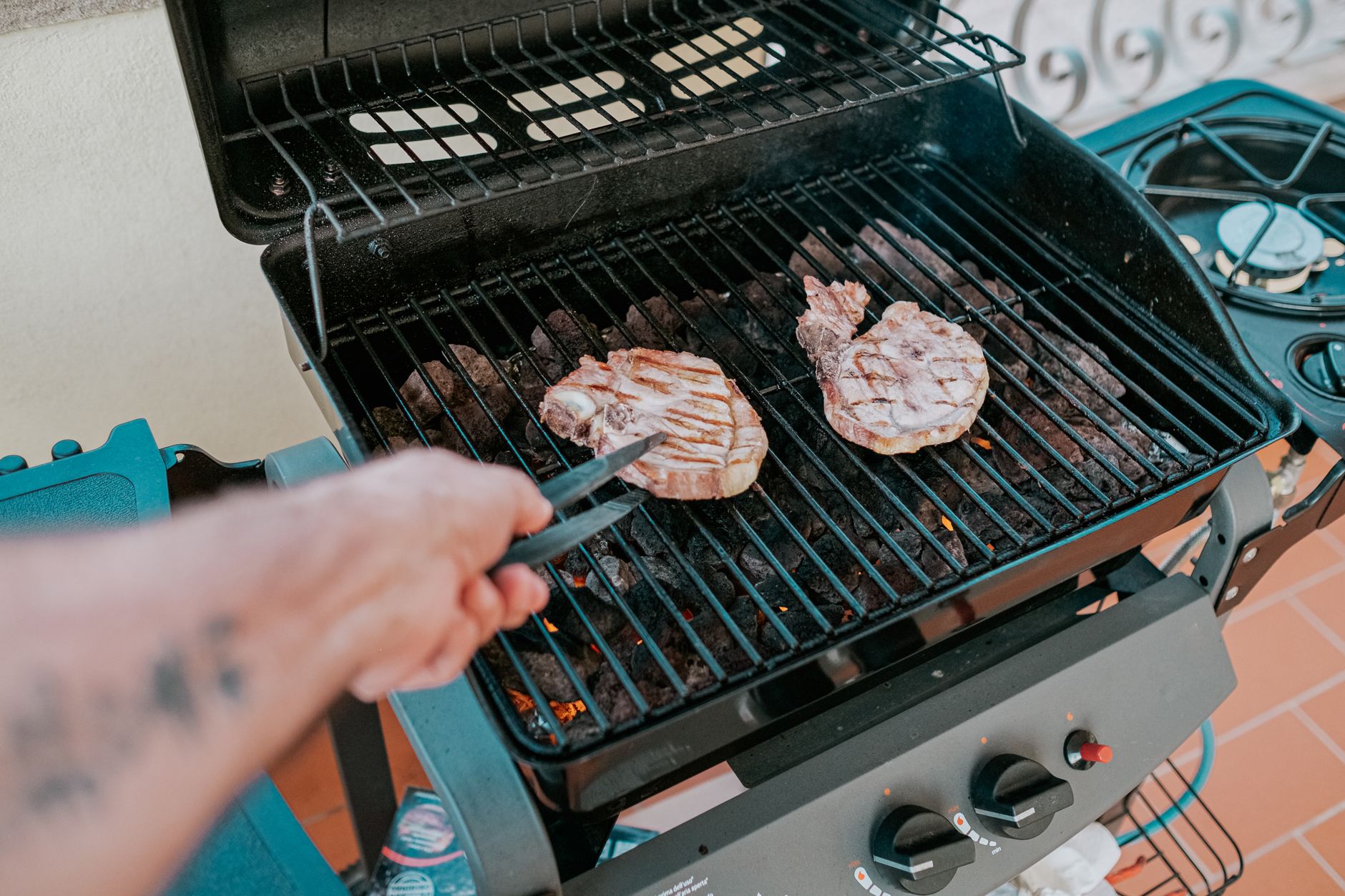
If your gas grill is not lighting, the most common cause is a blocked burner tube or a faulty ignition system. Gas grills rely on a clean gas flow and a spark to ignite, so when either is interrupted, you get no flame. This problem is rarely a major repair, and you can often fix it yourself in a few minutes. Understanding the specific cause will save you time and get you back to grilling.
1. Clogged Burner Tubes
Burner tubes are the metal channels that carry gas from the control valve to the burner ports. Over time, grease, food debris, and spider webs can block these tubes. When the gas flow is restricted, the burner cannot produce a steady flame or may not light at all.
To check for this, remove the cooking grates and heat deflectors to expose the burners. Look inside the burner tubes with a flashlight. If you see any blockage, use a pipe cleaner or a thin wire to gently push it out. Cleaning the burner tubes once a season can prevent this problem.
2. Faulty Ignition System
The ignition system consists of a spark generator, a battery (in some models), and an electrode. If the spark is weak or absent, the gas will not ignite. This is often due to a dead battery, a corroded electrode, or a broken wire.
First, check if you hear a clicking sound when you press the igniter. If you hear nothing, replace the battery. If you hear clicking but see no spark, the electrode may be dirty or misaligned. Clean it with a wire brush and ensure it is positioned about 1/8 inch from the burner.
3. Empty or Low Propane Tank
This is one of the simplest causes, but it is easy to overlook. If your propane tank is empty or nearly empty, the grill will not light. You can check the tank level by pouring warm water down the side and feeling for a cool spot, which indicates the gas level.
If the tank is low, replace it with a full one. For natural gas grills, ensure the gas line valve is fully open. A partially closed valve can restrict gas flow enough to prevent lighting.
4. Obstruction in the Gas Line or Regulator
The gas line and regulator control the flow of gas from the tank to the burners. A kinked hose, a frozen regulator, or a blocked orifice can stop gas flow entirely. This is more common in cold weather or after the grill has been stored.
Inspect the hose for any kinks or damage. If the grill has been sitting, the regulator may have a safety feature that locks if gas is turned on too quickly. To reset it, turn off all burner knobs and the tank valve, wait 30 seconds, then slowly open the tank valve. This often resolves the issue.
5. Dirty or Clogged Burner Ports
The small holes along the burner surface are called ports. When these ports become clogged with grease or rust, the gas cannot escape evenly. This can cause a weak flame or a grill that lights only in some spots.
To clean the ports, use a stiff wire brush or a grill cleaning tool. You can also use a pin to clear individual holes. Make sure the burner is cool and the gas is off before cleaning. Regular cleaning after each use helps prevent this buildup.
6. Damaged Control Valve
The control valve regulates how much gas flows to the burner. If the valve is stuck or damaged, gas may not flow at all. This is less common than other issues, but it can happen over time with heavy use or corrosion.
If you have checked all other causes and the grill still will not light, the control valve may need replacement. This is a job best left to a professional, as it involves gas system components. Contact a grill repair service for an inspection.
How to Fix a Gas Grill That Won’t Light
- Check the propane tank level and replace it if empty.
- Clean the burner tubes with a pipe cleaner or wire.
- Replace the ignition battery and clean the electrode.
- Reset the regulator by turning off the gas and slowly reopening it.
- Clear clogged burner ports with a wire brush or pin.
- Inspect the gas hose for kinks or damage.
These steps cover the vast majority of gas grill lighting issues. If you have tried them all and your grill still will not light, it may be time to consider a replacement.
Related Guides
Frequently Asked Questions
Why does my gas grill click but not light?
A clicking sound means the igniter is working, but the gas is not reaching the burner or the spark is not strong enough. This is usually due to a clogged burner tube, a dirty electrode, or a low battery. Cleaning the burner and electrode often solves it.
Can a spider web cause a gas grill not to light?
Yes, spiders and other insects can build webs inside burner tubes, blocking gas flow. This is a common issue, especially in grills stored outdoors. Cleaning the tubes with a brush or wire is an effective fix.
How do I reset my gas grill regulator?
To reset the regulator, turn off all burner knobs and the tank valve. Disconnect the regulator from the tank, wait 30 seconds, then reconnect it. Slowly open the tank valve and wait for the pressure to equalize before lighting.
Why does my gas grill light but then go out?
If the grill lights briefly then extinguishes, it often indicates a gas flow issue. This could be a partially clogged burner, a faulty regulator, or a low propane tank. Check the tank level and clean the burner assembly.
Is it safe to use a gas grill that won’t light?
No, do not force the grill to light if it does not ignite properly. Gas can build up and cause a flash fire. Always turn off the gas and wait a few minutes before attempting to light again. If the problem persists, troubleshoot the cause safely.
In summary, a gas grill not lighting is usually due to a blocked burner, a weak ignition, or a gas supply issue. Most fixes are simple and do not require professional help.