The key to maintaining temperature in a smoker is controlling airflow and fuel consistency. Temperature fluctuations happen when airflow is too aggressive, fuel burns unevenly, or the smoker loses heat through leaks or poor insulation. By understanding these factors, you can keep your smoker steady for the duration of your cook.
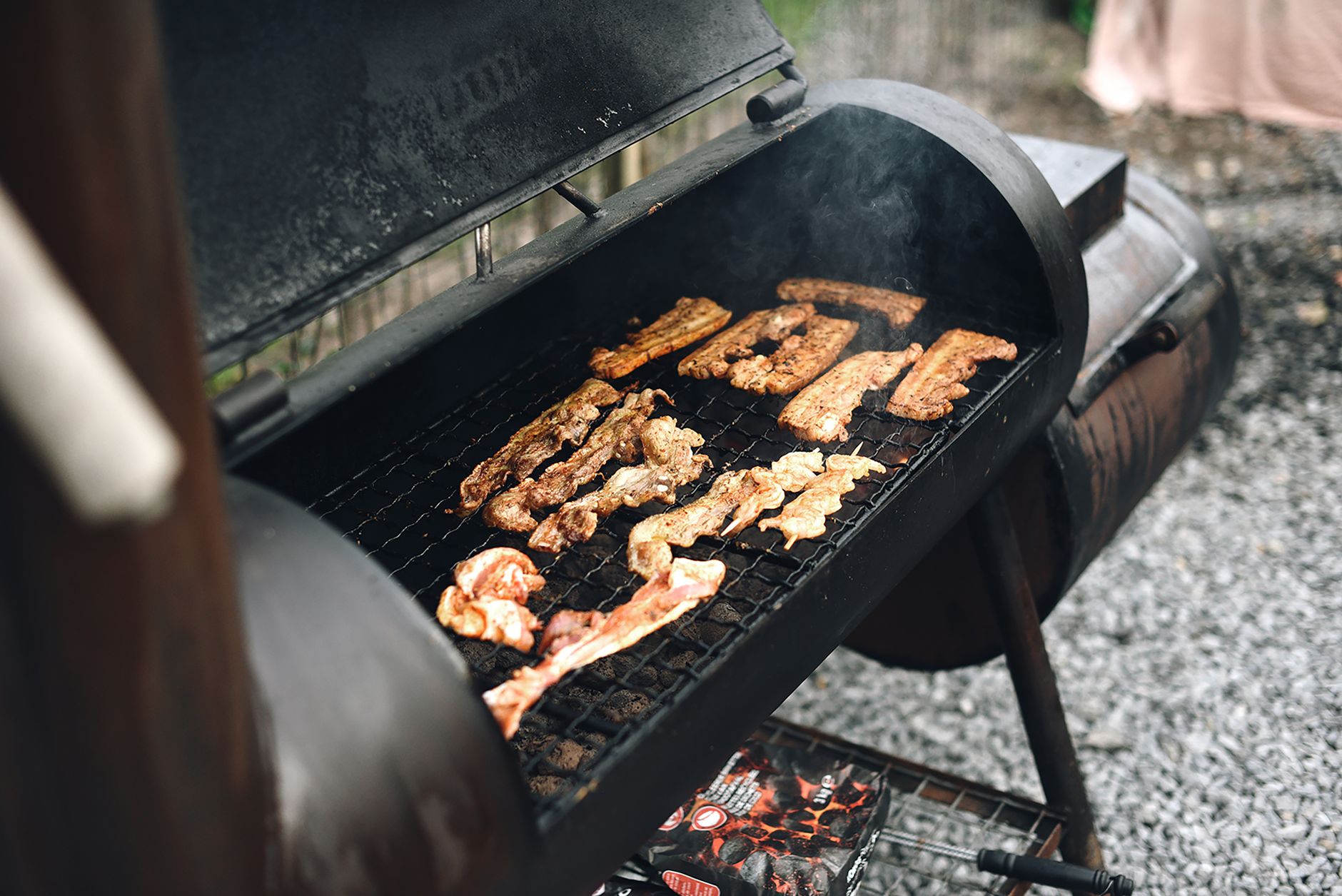
Airflow Control Is the Primary Factor
Airflow regulates how fast your fuel burns. Intake vents allow oxygen in, and exhaust vents let smoke and heat out. If you leave both wide open, the fire burns hot and fast, causing temperature spikes. If you close them too much, the fire starves and temperature drops.
Start with a small fire and adjust the intake vent to about 25 percent open, then fine tune the exhaust to about 50 percent open. Small adjustments, then wait 10 minutes before changing again. This gives the smoker time to stabilize.
Fuel Type and Quality Matter
Charcoal briquettes burn more evenly than lump charcoal because they are uniform in size and density. Lump charcoal can have large pieces that burn hotter and smaller pieces that burn out quickly, leading to temperature swings. Wood chunks add flavor but also affect burn rate.
Use a consistent fuel source and avoid mixing different types mid cook. If you add fuel, add it before the temperature drops too low, and use preheated fuel to avoid a sudden temperature dip.
Leaks and Insulation Issues
Gaps around the door, lid, or vents let heat escape and make temperature control difficult. A smoker that leaks air is like a bucket with a hole you can’t keep full. Check for warped lids, worn gaskets, or gaps where the smoke exits.
Seal leaks with high temperature gasket tape or replace worn parts. In cold weather, add a welding blanket over the smoker to retain heat, but never cover the vents.
Wind and Ambient Temperature
Wind can push heat away from the smoker and cause temperature drops, especially on offset or vertical smokers. Cold ambient temperatures also require more fuel to maintain the same internal temperature.
Position your smoker in a sheltered area, out of direct wind. On cold days, plan for longer cook times and monitor temperature more frequently. A windbreak made of plywood or a fence can make a noticeable difference.
Thermometer Accuracy
The built in thermometer on many smokers is often inaccurate by 20 to 50 degrees. If you trust a faulty gauge, you will adjust vents incorrectly, causing temperature swings. Use a separate, reliable probe thermometer placed at grate level for accurate readings.
Check your thermometer against boiling water or ice water to verify its accuracy. A digital probe with a remote display lets you monitor temperature without opening the lid and losing heat.
How to Fix Temperature Swings
- Adjust intake and exhaust vents in small increments, waiting 10 minutes between changes.
- Use consistent fuel and avoid mixing charcoal types mid cook.
- Seal any leaks with gasket tape and insulate the smoker in cold weather.
- Position the smoker out of wind and use a windbreak if needed.
- Verify your thermometer accuracy and use a digital probe at grate level.
If your smoker still struggles after these fixes, a common underlying issue is poor insulation or a design that simply cannot hold steady heat. This guide covers diagnostic tools that can help you monitor temperature remotely.
Frequently Asked Questions
How often should I check the smoker temperature?
Check every 30 to 45 minutes during the cook. Opening the lid too often lets heat escape and extends cooking time. Use a remote probe to monitor without opening.
Can I use water in the water pan to stabilize temperature?
Yes, a water pan adds thermal mass and helps buffer temperature swings. It also adds moisture to the cooking chamber, which can improve bark formation on meat. Refill as needed.
Why does my smoker temperature drop when I add wood chips?
Adding cold wood chips lowers the fire temperature temporarily. Preheat wood chips or chunks before adding them, or add them in small amounts to minimize the drop.
Is it normal for smoker temperature to fluctuate?
Small fluctuations of 10 to 20 degrees are normal, especially with charcoal or wood smokers. Larger swings indicate an airflow, fuel, or leak issue that needs addressing.
Related Guides
- Smoker Temperature Keeps Dropping
- Smoker Not Getting Hot Enough
- Why Is My Smoker Producing Too Much Smoke?
Final Thoughts
Maintaining temperature in a smoker comes down to controlling airflow, using consistent fuel, and sealing leaks. Once you master these basics, you can focus on the cook itself.