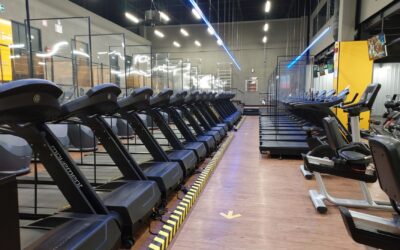
If your treadmill belt is slipping, it is usually due to a loose belt, an overtightened belt, a worn drive belt, or a lack of lubrication. A slipping belt can cause you to lose your stride, create a jerky running motion, and even damage the motor over time. Understanding the specific cause is the first step to a safe and smooth workout.
Loose Walking Belt
The most common reason for a treadmill belt slipping is that the walking belt itself has stretched or loosened over time. As you use the treadmill, the belt naturally elongates, reducing its grip on the front roller. You will notice this as a hesitation or a sudden stop-and-go feeling when your foot lands.
Checking the tension is straightforward. Lift the edge of the belt near the middle of the deck; you should be able to pull it up about two to three inches off the deck. If it lifts higher than that, the belt is too loose and needs tightening.
Overtightened Walking Belt
Ironically, a belt that is too tight can also cause slipping. When the belt is overly tensioned, it puts excessive pressure on the front roller bearings and the motor, which can cause the roller to struggle to turn. This creates a slipping sensation, often accompanied by a burning smell from friction.
An overtightened belt will feel rigid and hard to move by hand. You may also notice that the deck or belt becomes unusually warm after just a few minutes of use. The fix is to slightly loosen the rear roller bolts until the belt has a small amount of give.
Worn or Damaged Drive Belt
Inside the treadmill, a separate drive belt connects the motor to the front roller. This drive belt can wear out, become glazed, or snap over time. When it loses its grip, the motor may spin freely while the front roller does not turn at the same speed, causing the walking belt to slip.
Signs of a worn drive belt include a squealing sound during use, visible fraying or cracks on the belt itself, or a noticeable delay between pressing the start button and the belt moving. Replacing the drive belt is a more involved repair but is often necessary on older machines.
Lack of Lubrication
Most treadmills require periodic lubrication between the walking belt and the deck. Without proper lubrication, friction increases dramatically, and the belt can stick to the deck rather than gliding smoothly. This sticking creates a jerky motion that feels like slipping.
Check your owner’s manual for the recommended lubricant type and application schedule. A dry deck often feels rough or produces a rubbing noise. Applying a silicone-based lubricant to the underside of the belt can restore smooth operation and prevent future slipping.
Misaligned Belt
A belt that has drifted to one side can cause uneven tension and slipping. When the belt is not centered on the rollers, one edge may rub against the frame, while the other edge loses contact with the roller. This misalignment often results in a slipping sensation, especially during high speed or incline changes.
You can check alignment by watching the belt as it runs at a slow speed. It should stay centered on the deck. If it drifts to the left or right, you can adjust the rear roller bolts to recenter it. Small adjustments, usually a quarter turn at a time, are safest.
Motor or Controller Issues
In rare cases, the problem is not the belt itself but the motor or motor controller. A failing motor may not provide consistent power, causing the belt to hesitate or slip under load. Similarly, a faulty controller can send intermittent power, mimicking belt slip.
Diagnosing motor issues often requires a multimeter to test voltage at the motor terminals. If the belt tension, alignment, and lubrication are all correct and the drive belt looks fine, the issue may be electrical. This type of repair is best left to a professional technician.
How to Fix a Slipping Treadmill Belt
- Tighten a loose walking belt by turning both rear roller bolts clockwise equally, a half turn at a time, until the belt lifts two to three inches off the deck.
- Loosen an overtightened belt by turning both rear roller bolts counterclockwise equally until the belt has slight slack.
- Replace a worn or damaged drive belt by removing the motor cover and following the manufacturer’s instructions for belt replacement.
- Lubricate a dry deck by applying a silicone-based treadmill lubricant under the walking belt according to your owner’s manual.
- Realign a misaligned belt by adjusting the rear roller bolts to center the belt while it runs at a slow speed.
- Inspect the motor and controller if all other causes are ruled out; consult a professional for electrical repairs.
Related Guides
Frequently Asked Questions
Can I use WD-40 to lubricate my treadmill belt?
No, you should not use WD-40 or any petroleum based lubricant on a treadmill belt. These products can degrade the rubber and damage the deck. Use only a silicone based lubricant specifically designed for treadmills.
How often should I lubricate my treadmill?
Most manufacturers recommend lubricating the belt every three to six months, or after every 40 to 50 hours of use. Check your owner’s manual for the exact interval for your model.
Why does my treadmill belt slip when I step on it?
This is typically caused by a loose walking belt or a lack of lubrication. When you step on the belt, your weight increases friction, and if the belt is not tight enough or the deck is dry, it will hesitate or slip.
Can a slipping treadmill belt damage the motor?
Yes, a slipping belt can cause the motor to overwork and overheat, leading to premature wear or failure. It also puts extra strain on the drive belt and rollers, so fixing the slip promptly is important.
A treadmill belt slipping is almost always fixable with a simple adjustment or lubrication. If you are dealing with other power tool issues, the troubleshooting tips in the article on cordless drill battery not charging may help you diagnose similar mechanical problems.