Exercise bike pedals slipping usually happens because the pedal threads are loose, the cleat system is worn, or the crank arm is damaged. This issue can make your workout frustrating and unsafe, but identifying the cause is the first step to a quick fix. Here are the most common reasons and how to address each one.
Loose Pedal Threads
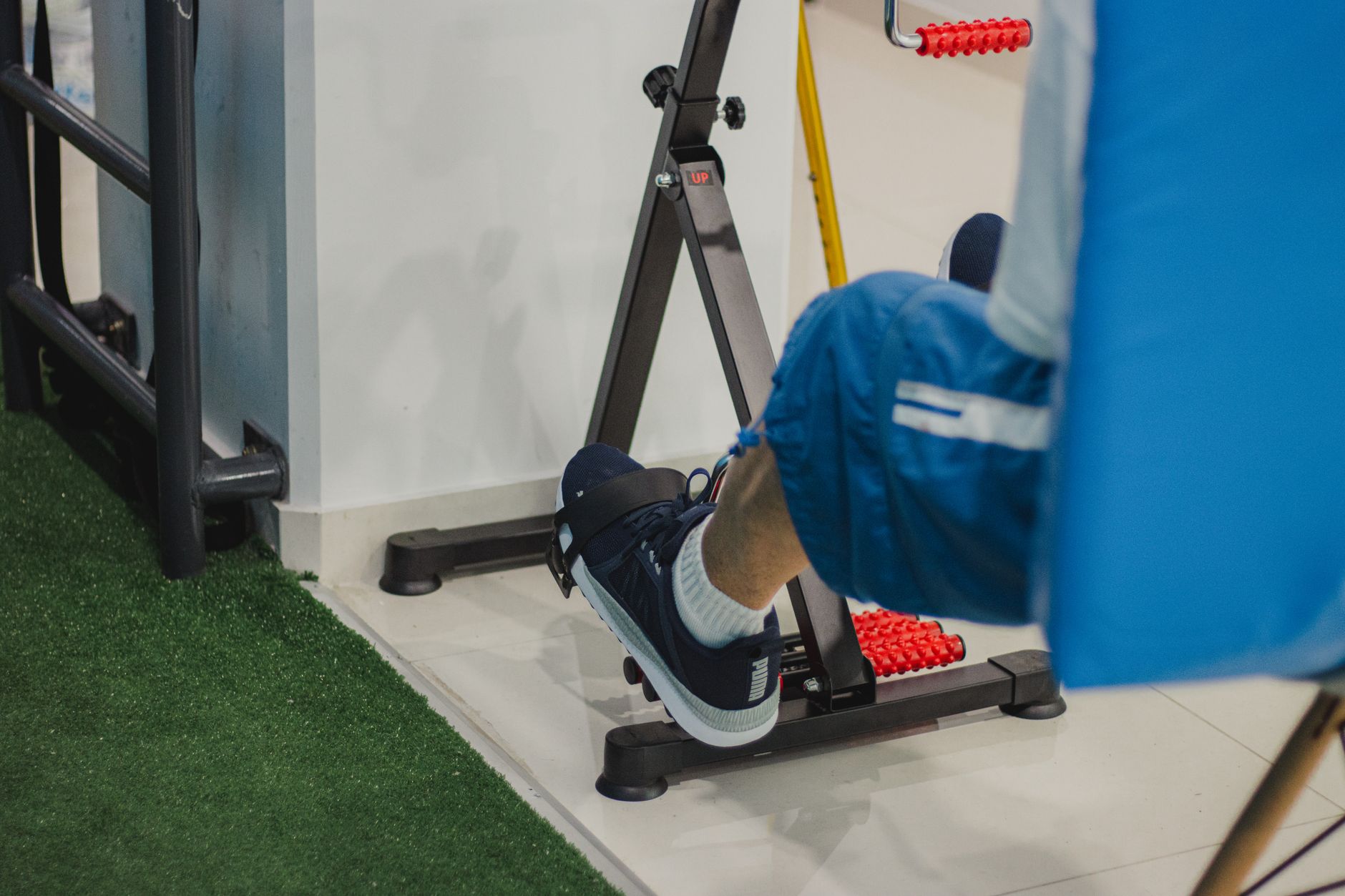
The most frequent cause of slipping pedals is simply that the pedal has loosened from the crank arm over time. Every pedal has threads that screw into the crank, and vibration from riding can cause them to back out. Check both pedals: the right pedal tightens clockwise, and the left pedal tightens counterclockwise.
To fix this, use a pedal wrench or an Allen key to tighten the pedal firmly. Do not overtighten, as that can strip the threads. If the pedal still feels loose after tightening, the threads may be damaged.
Worn Cleats or Pedal Cages
If you use clip-in pedals, the cleats on your shoes can wear down over time, causing a loss of grip. Look for visible wear on the plastic or metal cleat surface. For flat pedals with cages, the straps or the cage itself may be stretched or broken.
Replacing worn cleats is straightforward and inexpensive. For cage pedals, check that the straps are tight and the cage is not cracked. A loose strap can let your foot slip off during a stroke.
Damaged Crank Arm or Bottom Bracket
A less common but more serious cause is a damaged crank arm or a worn bottom bracket. If the crank arm itself is bent or cracked, the pedal may wobble or slip. Similarly, a loose bottom bracket can cause the entire crank assembly to move, making pedals feel unsteady.
Inspect the crank arm for any visible damage. If you notice a clicking or grinding sound when pedaling, the bottom bracket bearings may be failing. These repairs often require professional help or replacement parts.
Incorrect Pedal Installation
If you recently installed new pedals, they might be cross-threaded or not fully seated. Cross-threading happens when the pedal is forced into the crank at an angle, damaging the threads. This can cause the pedal to loosen during use.
Always hand-thread the pedal into the crank first to ensure it goes in straight. If you feel resistance, stop and realign. Once hand-tight, use a wrench to secure it. If the threads are already damaged, you may need a thread repair kit or a new crank arm.
Loose Bolts on the Pedal Body
Some pedals have multiple bolts that hold the pedal body together, especially on platform or cage-style pedals. Over time, these bolts can loosen, causing the pedal surface to shift or detach. This can feel like the pedal is slipping under your foot.
Check all visible bolts on the pedal body with a hex key or screwdriver. Tighten them evenly. If a bolt is missing or stripped, replace it with one of the same size and thread pitch.
How to Fix Slipping Pedals
- Tighten the pedal threads with a pedal wrench, checking both sides.
- Replace worn cleats or damaged pedal cages.
- Inspect the crank arm and bottom bracket for damage; seek professional repair if needed.
- Remove and reinstall pedals carefully, ensuring they are not cross-threaded.
- Check and tighten all bolts on the pedal body.
If you have a spinning bike with a belt drive and the pedals still feel unsteady, the issue might be with the resistance system rather than the pedals themselves.
Frequently Asked Questions
Why do my pedals keep coming loose during a ride?
Pedals can loosen due to vibration and the natural motion of your legs. Regular maintenance, such as checking tightness every few rides, can prevent this. Use a thread-locking compound on the pedal threads for extra security.
Can I use a regular wrench to tighten pedals?
Yes, but a pedal wrench is designed to fit the thin profile of pedal flats and provides better leverage. A standard adjustable wrench can work, but be careful not to round off the pedal flats. A pedal wrench is a worthwhile investment.
How often should I replace pedal cleats?
Cleat lifespan depends on usage, but most riders replace them every 6 to 12 months. Signs of wear include difficulty clipping in or out, or visible grooves worn into the cleat surface. Replace them as soon as you notice slipping.
What if my pedal is spinning but not moving the bike?
This usually indicates a broken chain, a worn freewheel, or a damaged drive train. It is not a pedal issue. Check the chain for breaks and the rear hub for engagement. This type of problem often requires a bike shop repair.
Related Guides
- Why Is My Exercise Bike So Loud?
- Exercise Bike Making Clicking Noise
- How to Adjust an Exercise Bike Seat
Final Thoughts
Exercise bike pedals slipping is almost always fixable with a simple tightening or a replacement part. Start with the most common cause, loose pedal threads, and work your way through the list.