If your exercise bike resistance not working, the cause is almost always a loose or worn brake pad, a broken tension cable, or a failed magnetic mechanism. These parts are simple to inspect and often cheap to fix, and most resistance problems have a straightforward mechanical answer, so you can usually resolve this yourself without a service call. Check the common failure points below before you buy anything, because friction and magnetic systems fail in different ways, and the right fix depends on which part has failed.
Loose or Worn Brake Pad (Friction Bikes)
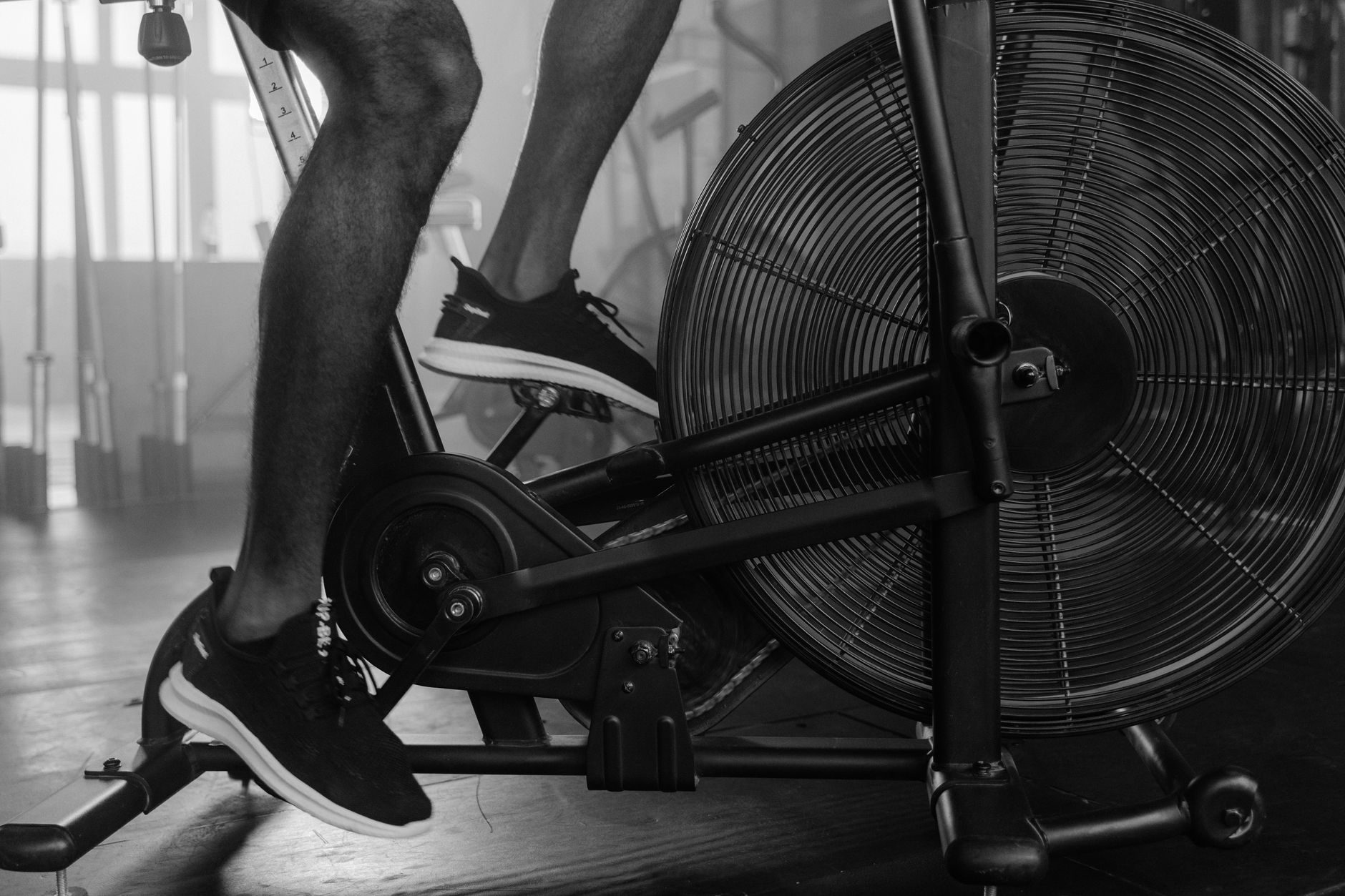
Friction bikes use a felt or rubber pad pressed against a flywheel. Over time that pad wears down, and the contact point moves away from the wheel. When the pad no longer touches the flywheel firmly, resistance drops or disappears even with the dial turned all the way up.
You can usually see the problem. Look through the side cover while pedaling and watch the pad. If it barely grazes the flywheel, or if the surface looks shiny and thin, it needs adjusting or replacing.
Broken or Stretched Tension Cable
Most friction bikes adjust resistance through a cable that pulls the brake pad toward the flywheel. That cable stretches with use, and it can snap completely if the tension was too high. A stretched cable makes the resistance knob feel loose and ineffective.
Check the cable from the knob to the brake arm. If it sags or has frayed strands, replace it. If it is intact but loose, tighten the adjustment nut near the brake arm until the pad touches the flywheel when you turn the knob.
Misaligned or Failed Magnets (Magnetic Bikes)
Magnetic resistance bikes use a set of magnets that move closer to or farther from the flywheel. If the magnets are stuck in the far position, or if the mechanism that moves them has come loose, you get little or no resistance at any setting.
On many models, the magnet assembly is mounted on a curved arm controlled by a cable or a motor. Look for a broken spring or a dislodged magnet. Realigning the arm often restores normal resistance.
Dirty or Corroded Resistance Mechanism
Dust, sweat, and humidity get inside exercise bikes and coat the brake pad, flywheel, or magnet track. A slippery film on the flywheel reduces friction dramatically. Corrosion can also seize the moving parts so the resistance adjustment does nothing.
Clean the flywheel and pad with a dry cloth and a little rubbing alcohol. Wipe the magnet track and lubricate pivot points with a dry lubricant. This fixes many gradual resistance failures that seem to happen overnight.
Loose Flywheel or Drive Belt
A flywheel that is not secured properly can wobble or spin unevenly, making resistance feel inconsistent. A loose drive belt can also slip, so the flywheel does not spin at the speed you expect. You may hear a clicking or grinding sound.
Check the flywheel axle bolts and the belt tension. If the flywheel moves side to side when you push it, tighten the mounting bolts. If the belt is cracked or glazed, replace it before adjusting resistance.
Electronic or Wiring Faults (Computerized Bikes)
If your bike has a console with electronic resistance, the problem may be in the wiring or the control board. A loose connector, a broken wire, or a failed sensor can stop the resistance motor from responding to the console.
Inspect the wiring harness from the console to the resistance unit. Unplug and reconnect each connector, and look for pinched or corroded wires. If the console powers on but the resistance never changes, the motor or controller may need replacement.
How to Fix Exercise Bike Resistance
- Adjust or replace the brake pad if it is worn or not touching the flywheel.
- Tighten or replace the tension cable if it is loose, stretched, or frayed.
- Realign the magnet arm and check the spring on magnetic resistance bikes.
- Clean the flywheel, brake pad, and magnet track with rubbing alcohol.
- Tighten the flywheel axle bolts and check the drive belt for wear.
- Inspect wiring connectors and the control board on electronic resistance bikes.
Related Guides
Frequently Asked Questions
Why did my exercise bike resistance suddenly stop working?
A sudden loss of resistance usually means a part broke or came loose, not a gradual wear issue. Check the tension cable first, because it can snap mid ride. Then inspect the brake pad and the magnet arm for obvious damage.
How do I fix exercise bike resistance that won’t increase?
If the dial turns but resistance stays the same, look for a stretched cable or a stuck magnet mechanism. On friction bikes, tighten the cable adjustment nut. On magnetic bikes, make sure the magnet arm moves freely when you turn the knob.
Why is my exercise bike resistance too easy even at the highest setting?
At the highest setting, the brake pad should press firmly against the flywheel, or the magnets should be at their closest position. If they are not, the pad is worn or the cable is too loose. Replace worn parts rather than forcing the knob harder.
How often should I replace the brake pad on my exercise bike?
Brake pad life depends on how often you ride and how much resistance you use. A pad that is visibly thinner than when new, or one that no longer makes solid contact, should be replaced. Most home riders check it once a year.
Can I fix magnetic resistance on an exercise bike myself?
Yes, for simple issues like a loose magnet arm or a disconnected cable. If the console is not sending power to the resistance motor, you may need a multimeter to trace the fault. When the control board fails, replacement is usually the practical fix.
Exercise bike resistance not working is rarely a mystery. Start with the mechanical parts you can see, and you will usually find the problem in under an hour. If the bike is beyond a simple fix, check the owner’s manual for replacement part numbers before you spend money on a service call.