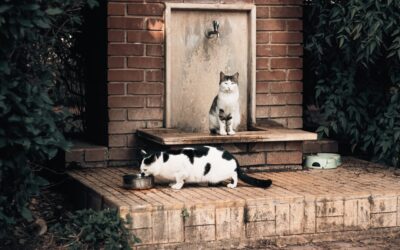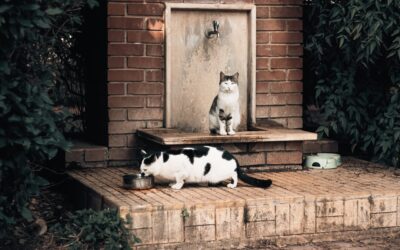
If your cat water fountain is not flowing, the most common cause is a clogged pump or debris in the water pathway. This usually happens because mineral deposits from hard water, hair, or food particles block the impeller or intake. Cleaning the pump and replacing the filter often restores proper flow. Other possible causes include a low water level, a misaligned pump, or a worn out motor. Checking these parts in order can save you time and frustration.
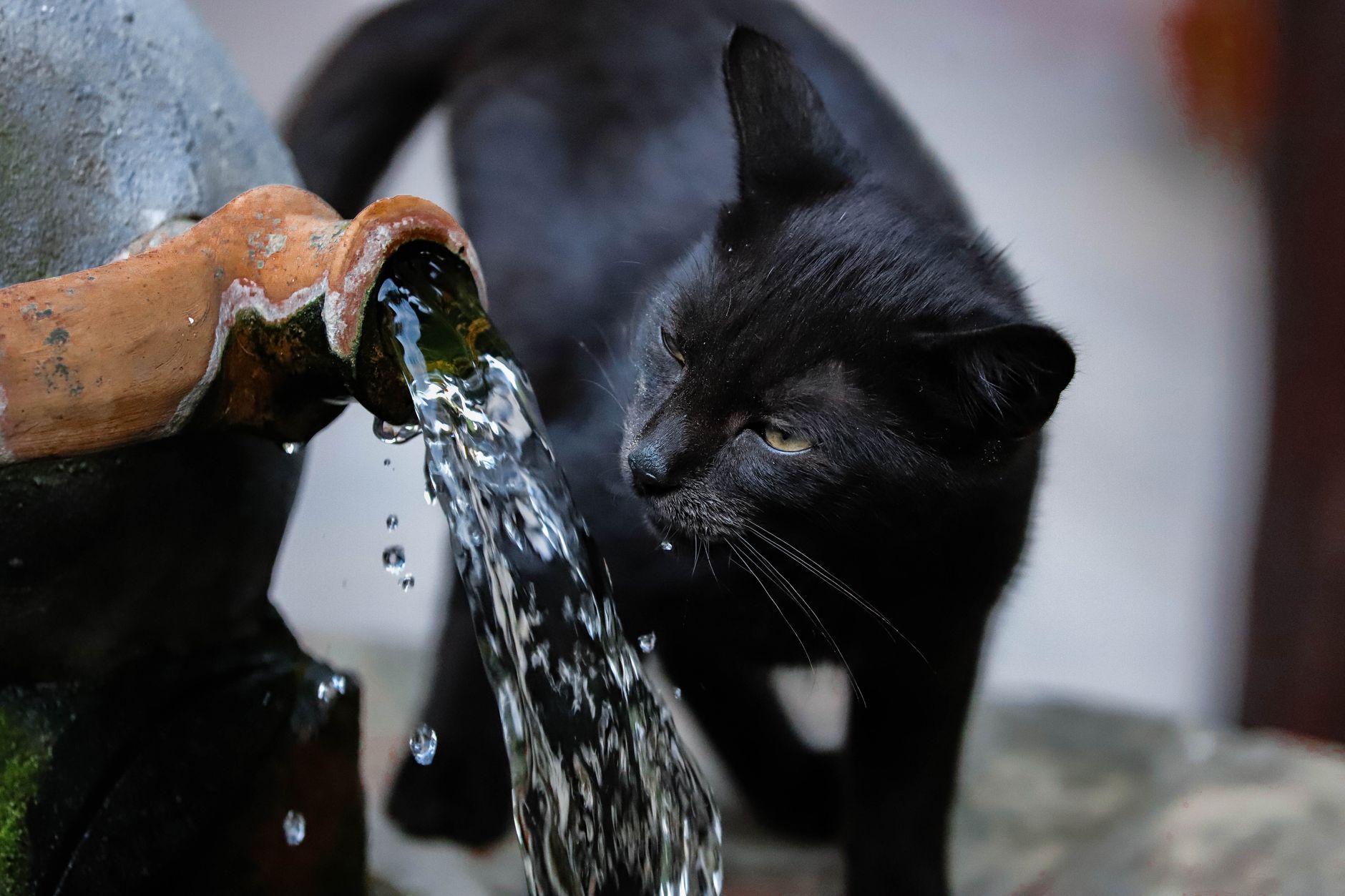
Clogged Pump or Impeller
The pump is the heart of any cat water fountain. Over time, mineral scale from hard water can build up inside the pump chamber and around the impeller. This slows or stops the impeller from spinning, which reduces or cuts off water flow entirely.
You can usually fix this by disassembling the pump according to the manufacturer’s instructions and scrubbing the impeller and chamber with a soft brush. A mixture of white vinegar and water helps dissolve mineral deposits. Rinse thoroughly before reassembling.
Dirty or Clogged Filter
Most cat water fountains use a charcoal or foam filter to trap hair and debris. When the filter becomes saturated, it restricts water flow through the fountain. This is especially common if you have not changed the filter in the recommended time frame.
Check your fountain’s manual for the filter replacement schedule. Typically, filters need changing every two to four weeks. A visibly discolored or slimy filter is a clear sign it is time for a new one.
Low Water Level
If the water level in the reservoir drops too low, the pump may suck air instead of water. This causes the fountain to sputter, gurgle, or stop flowing altogether. Cats sometimes splash water out, which can accelerate evaporation.
Simply refilling the reservoir to the recommended level often restores normal operation. Make sure the pump is fully submerged. Some fountains have a minimum water line marked inside the tank.
Pump Not Primed or Misaligned
After cleaning the fountain, the pump may lose its prime. This means there is air trapped inside the pump chamber, preventing it from moving water. You can prime the pump by pouring a small amount of water directly into the pump inlet before turning it on.
Also check that the pump is seated correctly in its housing. If the pump is tilted or not fully pushed down, the intake may be blocked or the outlet may not align with the fountain’s tubing. A quick visual inspection can catch this.
Worn Out Pump Motor
Pump motors have a limited lifespan. After many months of continuous use, the motor can wear out and lose power. If you have cleaned the pump, replaced the filter, and verified the water level is correct, yet the fountain still barely trickles or hums without moving water, the motor may be failing.
Replacement pumps are available for most fountain models. Check the fountain’s brand and model number to find a compatible replacement part. This is often cheaper than buying a whole new fountain.
How to Fix a Cat Water Fountain That Is Not Flowing
- Turn off and unplug the fountain. Disassemble the pump and clean the impeller and chamber with a soft brush and vinegar solution.
- Replace the filter if it is dirty or overdue for a change.
- Refill the reservoir to the recommended water level, ensuring the pump is fully submerged.
- Prime the pump by pouring water directly into the pump inlet before reassembling the fountain.
- Check that the pump is seated correctly and aligned with the fountain’s water pathway.
- If none of the above works, consider replacing the pump motor with a compatible part.
Actually, that link does not apply here. Skip that.
Frequently Asked Questions
Why is my cat water fountain making noise but not pumping water?
A humming fountain that does not pump usually means the impeller is stuck or the pump is air locked. Turn it off, clean the impeller, and prime the pump by adding water directly to the inlet. If the noise continues, the motor bearings may be worn.
How often should I clean my cat water fountain pump?
Clean the pump every one to two weeks, depending on your water hardness and how much your cat sheds. If you notice reduced flow or visible debris, clean it sooner. Regular cleaning prevents clogs from building up.
Can I use distilled water in my cat water fountain?
Yes, distilled water reduces mineral buildup in the pump and fountain parts. However, some cats prefer the taste of filtered tap water. If you switch to distilled, monitor your cat’s water intake to ensure they are drinking enough.
Why does my cat water fountain stop working after a few days?
This often points to a fast clogging filter or a pump that is not fully submerged. Check the water level daily and change the filter more frequently. If the problem persists, inspect the pump for wear or damage.
Is it safe to run the fountain without a filter?
Running without a filter is not recommended. The filter traps hair and debris that would otherwise reach the pump and cause clogs. It also helps keep the water clean for your cat. Use a filter designed for your model.
Related Guides
- How Often to Change Cat Fountain Water
- Cat Water Fountain Pump Not Working?
- Cat Water Fountain Not Working?
Final Thoughts
A cat water fountain that is not flowing usually just needs a thorough cleaning or a simple adjustment. Start with the pump and filter, then check the water level and alignment.