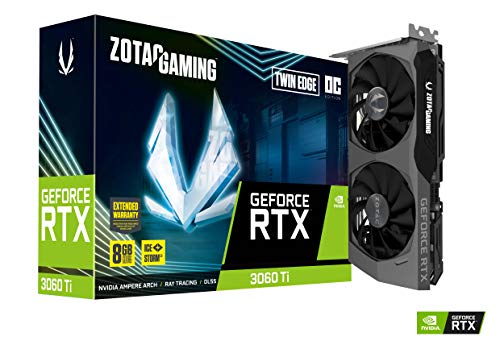
When your 3D animation projects demand real-time ray tracing, complex simulations, and multi-layer compositing, a standard gaming GPU simply won’t cut it. You need a workstation card built for round-the-clock reliability and certified driver support. The AMD Radeon Pro W7800 is exactly that kind of professional powerhouse. In this guide, we break down why this GPU deserves a top spot among the best graphics cards for 3D rendering and animation workflows.


Buying Guide: What to Look for in a 3D Animation Graphics Card
VRAM Capacity and Bandwidth
For 3D animation, textures, geometry, and render buffers eat up memory fast. With 32GB of GDDR6, the AMD Radeon Pro W7800 lets you work on complex scenes without swapping data to system RAM. This is critical when you have multiple high-resolution viewports open or need to render 8K sequences.
Compute Units and FP32 Performance
The 70 Compute Units and 45 TFLOPS of FP32 horsepower mean this card chews through simulation and lighting calculations. Whether you are using Arnold, V-Ray, or Redshift, the raw compute power directly reduces render times. For real-time viewport performance in applications like Maya or Cinema 4D, this GPU keeps your workflow fluid.
Software Certification and API Support
A GPU is only as good as the applications it supports. AMD Radeon Pro W7800 is certified for Autodesk 3ds Max, Maya, Adobe After Effects, Premiere Pro, DaVinci Resolve, SideFX Houdini, and Unreal Engine. This means you get stable drivers and optimized performance. If you often switch between these tools, a certified card like this is essential. For more on video editing GPUs, check our guide on best graphics cards for DaVinci Resolve.
Display Connectivity and AV1 Encoding
Animation work often requires multiple high-resolution monitors. The W7800 supports up to four 4K displays at 120Hz or a single 8K display at 60Hz. With DisplayPort 2.1, you get uncompressed 12-bit HDR. Plus, AV1 encoding and decoding future-proofs your workflow for streaming and preview exports. That matters when you need to share high-quality client previews quickly.
For more workstation graphics card comparisons, visit our Cards category page where we cover GPUs for various professional tasks. You can also see how this card compares in our best graphics cards for After Effects review.
Final Thoughts
For 3D animators who need uncompromising performance, the AMD Radeon Pro W7800, Professional Graphics Card delivers on every front. Its 32GB frame buffer, 70 compute units, and certified driver support make it a reliable workhorse for demanding scenes in Maya, Houdini, and Unreal Engine. If your workflow leans more toward real-time viewport editing or you require even higher multi-GPU scaling, consider adding a second W7800 or exploring AMD’s flagship Radeon Pro W7900. But for most animation houses and freelance studios, this card is the sweet spot between power and cost efficiency.
Frequently Asked Questions
Is the AMD Radeon Pro W7800 good for 3D animation in 2026?
Absolutely. With 32GB of VRAM and 45 TFLOPS of FP32 performance, it handles complex scenes in Maya, Cinema 4D, and Blender with ease. The certified drivers ensure stability during long rendering sessions.
How does the W7800 compare to NVIDIA RTX A-series for animation?
The AMD card offers more VRAM at a similar price point and excels in compute-heavy workloads. NVIDIA RTX cards may have an edge in ray tracing support for certain renderers, but for pure number crunching and large scene handling, the W7800 holds its own.
Do I need a workstation GPU or can I use a gaming card for 3D animation?
You can use a gaming card, but for professional work, workstation GPUs like the W7800 provide ISV certification, error-correcting memory, and longer driver support cycles. This translates to fewer crashes and consistent performance across multiple applications.
What power supply do I need for the AMD Radeon Pro W7800?
AMD recommends a 700W PSU or higher. The card itself has a 260W TDP, but you should account for your CPU and other components. A quality 850W unit gives you headroom for overclocking or future upgrades.