
Your vacuum is losing suction because something is blocking the airflow, usually a full dustbin, a clogged filter, or a blockage in the hose or brush roll. Air must flow freely from the nozzle to the exhaust for suction to work, and any interruption drops performance fast. Understanding the exact cause lets you fix it in minutes without replacing the machine.
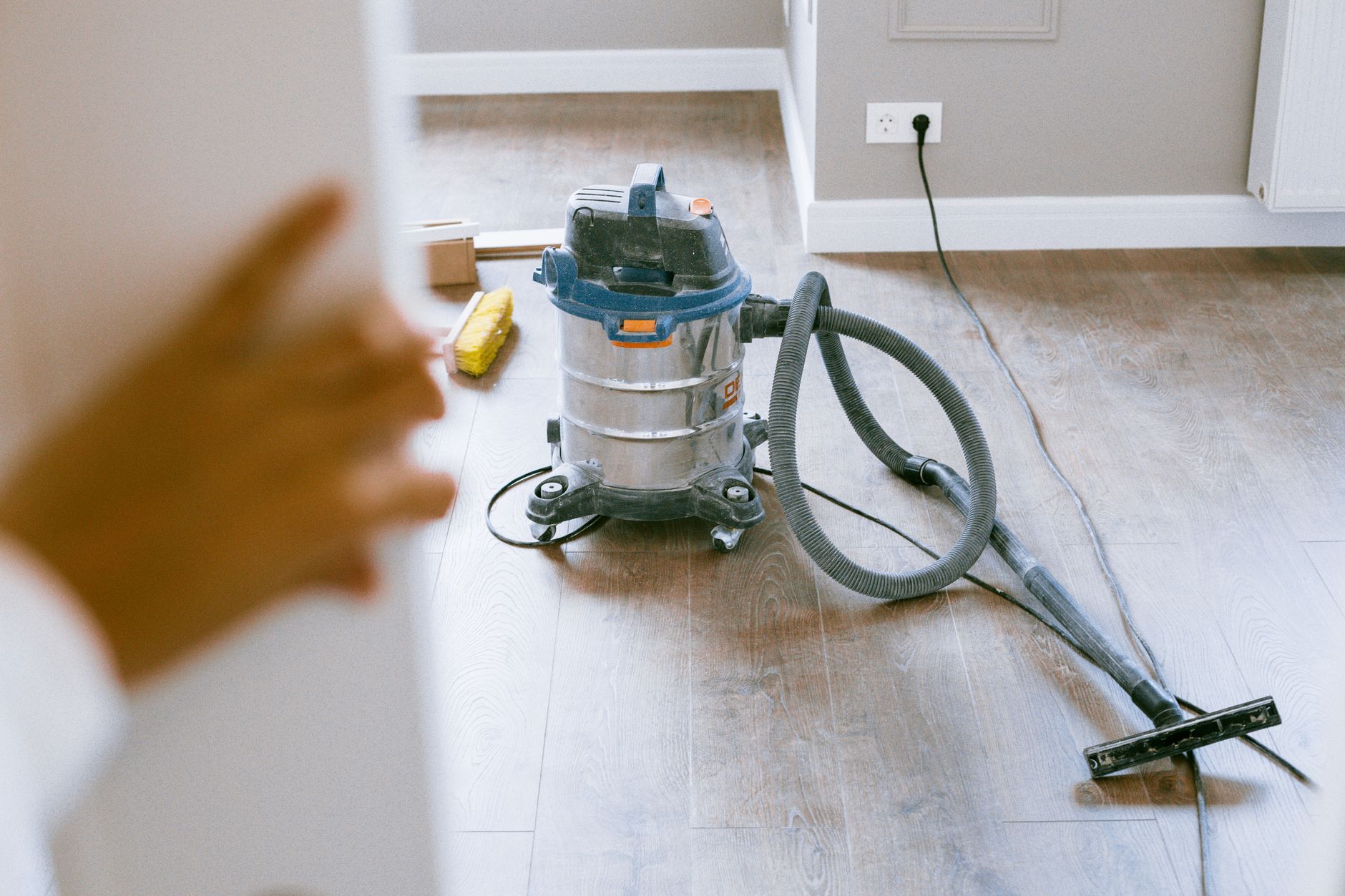
Full or Overfilled Dustbin
The most common reason a vacuum loses suction is a dustbin that is simply too full. When the bin reaches capacity, there is no room for air to circulate, and the motor struggles to pull debris through. Emptying the bin after every use, or at least when it is half full, keeps airflow strong.
Many modern vacuums have a full-bin indicator light, but you should not rely on it alone. If you notice suction drop mid-cleaning, check the bin first. A quick empty and reinstall usually restores full power.
Clogged or Dirty Filter
Filters trap fine dust and allergens before air exits the vacuum, but they clog over time. A dirty filter restricts airflow just like a full bin, and suction drops noticeably. Most vacuums have a washable foam or HEPA filter that needs cleaning every one to three months, depending on use.
To check, remove the filter and hold it up to light. If you cannot see through it, it is clogged. Wash it with cold water (never soap, which can damage the media) and let it dry completely for 24 hours before reinstalling. A wet filter blocks airflow and can breed mold.
Blockage in the Hose or Wand
A physical blockage in the hose, wand, or nozzle is another frequent cause. Small objects like coins, socks, or hair clumps can get stuck and create a plug that stops airflow entirely. You can often feel the obstruction by running your hand along the hose or looking for a bulge.
To clear it, disconnect the hose from the vacuum and use a long, flexible object like a broom handle or a drain snake to push the blockage out from the opposite end. Never use sharp tools that could puncture the hose. Reattach and test suction.
Worn or Tangled Brush Roll
The brush roll agitates carpet fibers to release embedded dirt, but hair, string, and carpet fibers wrap around it over time. A tangled brush roll cannot spin freely, which reduces its ability to lift debris and can create drag that lowers overall suction. Check the brush roll every few weeks.
If you see hair wrapped tightly around the bristles, cut it off with scissors along the groove. A brush roll that is worn down to the nub or has broken bristles needs replacement. Running the vacuum without a functioning brush roll puts extra strain on the motor.
Leaking Seals or Cracks in the Vacuum Body
Suction depends on a sealed system from the nozzle to the exhaust. Any crack in the vacuum body, a loose hose connection, or a worn gasket around the dustbin lets air in and reduces suction. You can test for leaks by feeling for air escaping along seams while the vacuum runs.
Check all connection points: where the hose attaches to the vacuum, the dustbin latch, and the filter housing. A cracked part may need replacement, but a loose connection often just needs a firm push or a new O-ring. Ignoring a small leak wastes motor power.
Full or Clogged Cyclone Assembly (Bagless Vacuums)
Bagless vacuums use cyclonic action to spin dirt out of the airstream. Over time, fine dust can pack into the cyclone cone or the pre-motor filter area, creating a dense cake that chokes airflow. This is often overlooked because the dustbin looks empty.
To fix this, remove the cyclone assembly (if possible) and rinse it thoroughly. Use a soft brush to dislodge caked-on dust from the cone walls. Let everything dry completely before reassembling. A clean cyclone restores the vacuum’s original performance.
How to Fix a Vacuum That Has Lost Suction
- Empty the dustbin after every use and check for clogs in the bin outlet.
- Clean or replace the filter according to the manufacturer’s schedule.
- Inspect the hose and wand for blockages and clear them with a long object.
- Cut hair and debris off the brush roll and replace it if bristles are worn.
- Check all seals and connections for air leaks and tighten or replace them.
- Clean the cyclone assembly on bagless models to remove packed dust.
If you have tried all these fixes and suction is still weak, the motor itself may be failing.
Frequently Asked Questions
Can a vacuum lose suction if the bin is not properly seated?
Yes. If the dustbin is not clicked fully into place, the seal is broken and air leaks in. This reduces suction even if the bin is empty. Always push the bin until you hear a click and check the gasket for damage.
How often should I replace my vacuum filter?
Washable foam filters should be cleaned every one to three months and replaced every six to twelve months. HEPA filters that are not washable typically need replacement every three to six months, or sooner if you have pets or allergies.
Does vacuuming wet debris damage suction?
Yes. Most household vacuums are designed for dry debris only. Vacuuming wet material can clog the filter, cause mold growth, and damage the motor. If you need to clean up liquid, use a wet/dry shop vacuum instead.
Why does my vacuum lose suction when I use the hose attachment?
The hose attachment often has a narrower diameter than the main floor nozzle, which creates more resistance. If the hose itself is kinked, twisted, or has a blockage, airflow drops further. Straighten the hose and check for clogs at the connection point.
Can a vacuum lose suction if the belt is broken?
A broken belt stops the brush roll from spinning, but it does not directly reduce suction. However, without the brush roll agitating the carpet, the vacuum picks up less debris, which can feel like a loss of suction. Replace the belt if you hear a squealing noise or the brush roll does not turn.
Related Guides
Final Thoughts
A vacuum that loses suction almost always has a simple fix: a full bin, dirty filter, or hidden clog. Checking these three things first saves you time and money. For more detailed troubleshooting on related household and automotive issues, visit our blog for step-by-step guides.