
You’ve finally dialed in your mirrorless camera for raw video. The exposure is perfect, the composition is locked, but then the buffer fills and the recording stops. Nothing kills a shoot faster than a slow card. If you’re capturing high-bitrate raw video, you need an SD card that can keep up with constant writes. In this guide, we’ve rounded up the best SD cards for raw video in 2026, focusing on models that deliver sustained write speeds, generous capacities, and proven reliability. Whether you’re a solo filmmaker or a wedding videographer, these cards will help you never miss a frame. For a broader look at storage options, check out our list of best SD cards for filmmaking.



Buying Guide
Speed Class and Video Performance
For raw video, your card must sustain a high write speed without throttling. Look for the Video Speed Class rating: V30 guarantees at least 30 MB/s continuous write, which is the minimum for 4K 60p raw. V60 cards, like the Lexar Silver PRO, push that to 60 MB/s, offering headroom for higher frame rates or ProRes RAW. UHS-II cards unlock even faster buses, but require a compatible camera and reader. If you’re shooting in 4K or 6K, a V30 card can work, but we recommend V60 for reliability. For more on matching card specs to your camera, see our guide on best SD cards for 4K video.
Read and Write Speeds
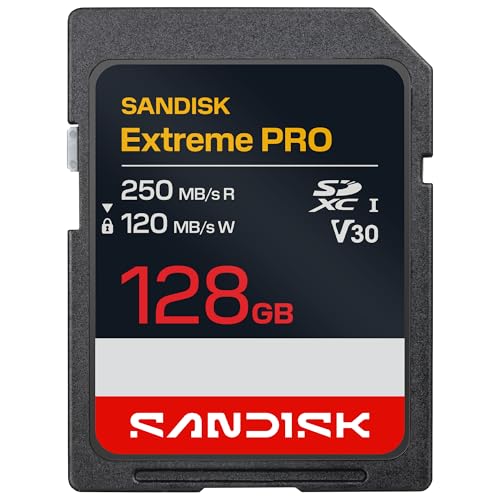
Raw video files are large, so fast read speeds help you offload footage quickly. But for recording, write speed matters most. Cards like the SanDisk Extreme PRO UHS-I (up to 250 MB/s read, 170 MB/s write) deliver excellent performance for UHS-I slots. For UHS-II cameras, the Lexar Silver PRO hits 280 MB/s read and 120 MB/s write, ideal for high-bitrate raw. Note that camera limitations can cap the card’s actual write speed, so check your camera’s approved card list. To learn more about transfer speeds, explore our best SD cards for video recording roundup.
Capacity and Storage Needs
Raw video consumes storage fast. A minute of 4K raw can take 1 to 2 GB, depending on codec and bitrate. A 128 GB card may hold roughly 60 to 120 minutes of footage. For longer shoots or backups, consider 256 GB or 512 GB. Larger capacities also often perform better due to higher write speeds across the full card. However, make sure your camera supports cards above 128 GB. If you’re using a camcorder, check our picks for best SD cards for camcorders.
Durability and Reliability
Filmmakers often shoot in extreme conditions: heat, cold, dust, or rain. Most premium SD cards are rated for temperature, shock, and X-ray exposure. SanDisk’s Extreme PRO line is known for ruggedness, while Lexar cards are validated through extensive compatibility assessments. A lifetime limited warranty adds peace of mind. Never use bargain-bin cards for critical raw video; one corrupt clip can ruin a project. For more on reliable storage, see our best micro SD cards for 4K video guide.
Final Thoughts
Choosing the right card for raw video ultimately comes down to your camera’s slot type and your budget. For UHS-I shooters, the SanDisk 128GB Extreme PRO SD UHS-I Card offers blazing write speeds and proven reliability, making it a top choice for 4K raw. If your camera supports UHS-II, the Lexar 128GB Silver PRO SD Memory Card delivers the extra headroom needed for high-frame-rate raw and ProRes recording, all while staying relatively affordable. Whichever you pick, both will keep your buffer flowing and your footage safe.
Frequently Asked Questions
What SD card speed is needed for raw video?
Raw video typically requires a minimum sustained write speed of 30 MB/s, which corresponds to a V30 rating. For higher resolutions or frame rates, V60 or faster is recommended. Always check your camera’s recommended card list for specific requirements.
Can I use a UHS-I card for raw video?
Yes, many UHS-I cards like the SanDisk Extreme PRO UHS-I can handle 4K raw video, especially if they are rated V30 or V60. However, for very high bitrates or 6K raw, a UHS-II card provides better headroom and reliability. For more details, see our best SD cards for video recording guide.
How much storage do I need for raw video?
Storage needs vary by codec and resolution. A 128 GB card can hold roughly one hour of 4K raw at a moderate bitrate. For longer shoots or backup copies, consider 256 GB or higher. Larger cards also often have faster write speeds across the entire capacity.
Are Lexar cards good for raw video?
Yes, Lexar offers solid performers like the 128GB Silver PRO with UHS-II speeds and V60 rating, making it ideal for raw video. Their cards are rigorously validated for compatibility and come with a limited lifetime warranty, adding confidence for critical shoots.