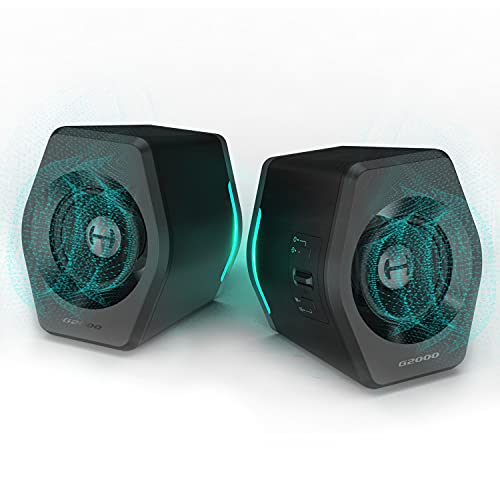
You have finally rearranged your living room or desk setup, and now a pair of compact, high-fidelity speakers feels like the missing piece. Whether you are building a vinyl listening station or upgrading your desktop audio, choosing the right bookshelf speakers can transform your daily experience. This guide walks you through the most important criteria for selecting a set that delivers rich, detailed sound without demanding a huge investment. For a broader look at speaker options, check out our guide to passive bookshelf speakers.


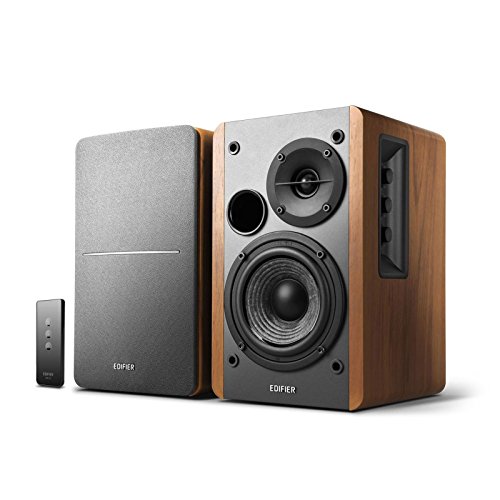

Buying Guide
Driver Configuration
The drivers inside a bookshelf speaker determine its frequency range and overall character. A two-way design with a dedicated tweeter and woofer is the standard, providing a good balance of treble clarity and midrange warmth. Some models add a rear-firing port to extend bass response, while others use a sealed enclosure for tighter, more controlled low end. Your choice depends on your room size and listening preferences.
For smaller rooms or near-field listening, a two-way speaker with a 5-inch woofer often suffices. In larger spaces, a 6.5-inch driver can fill the room more effectively. Avoid speakers with very small woofers if you crave deep bass; consider adding a subwoofer later. Our powered bookshelf speaker recommendations include self-amplified options that simplify your setup.
Frequency Response
This specification tells you how low and high a speaker can play. A wider frequency response, such as 50 Hz to 20 kHz, indicates the speaker can reproduce more of the audible spectrum. Keep in mind that manufacturer ratings are often measured in ideal conditions; real-world performance may vary. Look for a model that emphasizes a flat response for accurate sound reproduction.
If you listen to acoustic music or vocals, a speaker that excels in the midrange will shine. For electronic or cinematic content, a slight bass boost can be satisfying. Always audition speakers if possible, or rely on verified user reviews to confirm real-world performance. For more on matching speakers to your source, see our best streaming device guide.
Impedance and Sensitivity
Impedance (measured in ohms) and sensitivity (dB) affect how much power your amplifier or receiver needs. Most bookshelf speakers are 6 or 8 ohms, which works with nearly any modern stereo receiver. Sensitivity ratings above 87 dB mean the speaker gets louder with less power, ideal for low-wattage amplifiers.
If you plan to use a compact desktop amp, choose speakers with higher sensitivity to avoid distortion at moderate volumes. Conversely, a high-power amp can drive low-sensitivity speakers with ease. Matching these specs ensures you get clean sound without overworking your electronics. Our desktop speaker setup guide covers matching amps and speakers effectively.
Connectivity Options
Passive speakers require an external amplifier or receiver, while powered speakers have built-in amplification. For a simple setup, powered speakers with Bluetooth, optical, or RCA inputs reduce clutter. Passive speakers give you the flexibility to upgrade your amplifier separately. Consider your sources: a turntable, computer, TV, or streaming device all need compatible inputs.
Many modern bookshelf speakers include subwoofer outputs for easy expansion. If you plan to use them in a home theater, ensure they have suitable input options. For a curated selection of powered and passive models, browse our bookshelf speakers under $500 (note: actual prices vary by retailer).
Final Thoughts
Finding the perfect pair of bookshelf speakers comes down to balancing your listening habits, room size, and amplification. Focus on driver configuration for the sound character you prefer, frequency response for detail, impedance for compatibility, and connectivity for convenience. Whether you lean toward a passive setup for future upgrades or a powered model for instant listening, the market in 2026 offers many options that deliver impressive sound without demanding a premium price. Remember to audition or read deep reviews before committing, and enjoy the clarity a good pair of bookshelf speakers brings to your favorite music, movies, and games.
Frequently Asked Questions
Can I use bookshelf speakers as front speakers in a home theater?
Yes, many bookshelf speakers work well as front left and right channels in a surround sound system. They deliver clear dialogue and accurate stereo imaging. For best results, pair them with a subwoofer to handle deep bass.
Do I need an amplifier for bookshelf speakers?
If you choose passive bookshelf speakers, yes you need an external amplifier or receiver. Powered bookshelf speakers have built-in amplification, so you can connect them directly to a source. Check speaker specifications before buying.
How much power do I need for bookshelf speakers?
It depends on the speaker’s impedance and sensitivity, plus your listening volume. A typical stereo receiver rated 50 watts per channel drives most bookshelf speakers to comfortable room‑filling levels. Higher sensitivity speakers need less power.
What is the difference between powered and passive bookshelf speakers?
Powered speakers contain an amplifier inside, so you connect them directly to a source. Passive speakers need an external amplifier. Powered models are simpler to set up, while passive ones allow you to choose your own amplifier for future upgrades.