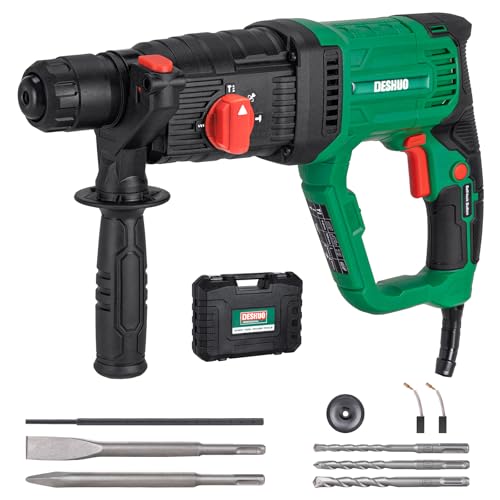
The short answer: a hammer drill uses a pounding motion combined with rotation to drill into masonry, while an impact driver delivers a sudden rotational burst to drive screws into tough materials. Each tool excels in a different application, and understanding the hammer drill vs impact driver distinction prevents you from buying the wrong one for your task. Hammer drills are for drilling into concrete, brick, or stone; impact drivers are for driving long screws into hardwood or metal without stripping the head.
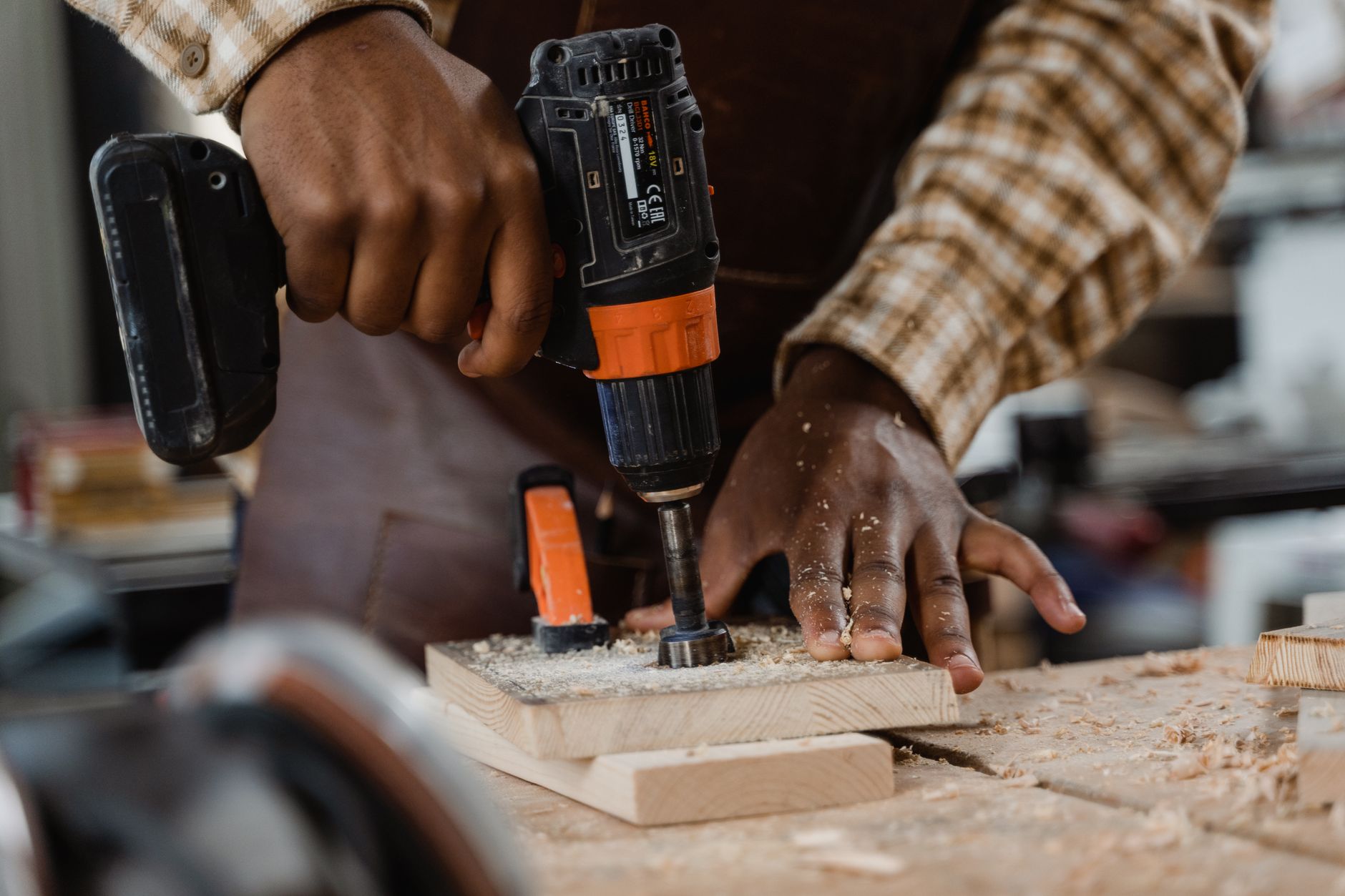
How a Hammer Drill Works
A hammer drill has a mechanism that rapidly pushes the chuck forward and back as the bit rotates. This hammering action, measured in blows per minute, chips away at masonry surfaces. You engage it with a selector switch so the tool works as a standard drill when you don’t need the hammer function.
The hammer drill is designed for drilling, not driving fasteners. Its chuck accepts round shank bits like masonry drill bits, which have a carbide tip that withstands the pounding. Using a hammer drill on wood or metal is inefficient because the hammer action can splinter wood or damage the bit.
Key factors that affect performance include the hammer drill’s impact energy (measured in joules on corded models) and its speed control. Higher impact energy drills faster through tougher materials, but adds weight and vibration. For occasional masonry work, a lightweight model with lower impact energy may suffice.
How an Impact Driver Works
An impact driver uses a spring loaded hammer mechanism inside the tool. When the resistance on the screw exceeds the motor’s torque, the hammer releases, delivering a high torque rotational impact. This allows the driver to sink screws without the user pushing hard or fighting kickback.
Impact drivers use a 1/4 inch hex chuck that accepts screwdriver bits with a hex shank. They are not meant for drilling holes, though specialized hex shank drill bits exist. The impact action is very loud, often exceeding 100 decibels, so hearing protection is a must.
The impact driver’s key advantage is preventing cam out, where the bit slips out of the screw head. Because the tool only applies rotational force when resistance is high, the bit stays engaged. This makes impact drivers ideal for long screws into dense materials like hardwood or treated lumber.
When to Use a Hammer Drill vs Impact Driver
Choose a hammer drill when you need to drill into concrete, brick, stone, or block. The hammer action cracks the material, allowing the drill bit to advance. Common projects include installing concrete anchors for shelving, drilling into brick walls for TV mounts, or creating holes in stone patios.
Choose an impact driver when you need to drive many screws, especially large ones, into dense wood, metal studs, or steel. Deck building, framing, drywall installation, and automotive work all benefit from an impact driver’s speed and reduced fatigue. The tool’s compact size also lets you work in tight spaces.
If you only have one tool, consider a hammer drill that offers a standard drill mode. It can handle screwdriving with a clutch, but it will not match an impact driver’s speed and control for large fasteners. For frequent construction work, owning both tools is the most efficient setup.
Common Misconceptions About Hammer Drills and Impact Drivers
Many people confuse hammer drills with rotary hammers. A rotary hammer uses a piston mechanism to deliver much higher impact energy, ideal for drilling large holes in concrete. A hammer drill is lighter and suitable for occasional or small diameter masonry work.
Another misconception is that an impact driver can replace a drill. While you can use impact rated drill bits in an impact driver, the tool lacks the precision and speed control needed for clean holes in wood or metal. A standard drill remains necessary for drilling.
Impact drivers are sometimes called “hammer drills” colloquially, but they are distinct tools. Always check the tool’s name and specifications before assuming it can drill into masonry. Using an impact driver on concrete will likely damage the bit and tool.
How to Fix a Mistaken Tool Choice
If you already own one tool and realize you need the other, you have options. The best fix depends on the project you face:
- If you need to drill into masonry but only have an impact driver, buy a hammer drill or rent a rotary hammer for larger jobs.
- If you need to drive many large screws but only have a hammer drill, consider an impact driver for speed and reduced wrist fatigue.
- If you are drilling into wood or metal and find the hammer drill’s action unnecessary, switch to a standard drill mode or use a regular drill.
- If you own neither tool, prioritize the one matching your most frequent project: masonry for hammer drill, heavy fastening for impact driver.
For a deeper look at choosing the right drill for woodworking projects, check out our guide on what to look for in a cordless drill for woodworking.
Frequently Asked Questions
Can I use a hammer drill as an impact driver?
You can use a hammer drill to drive screws, but it lacks the impact driver’s rotational burst mechanism. The hammer drill’s action is in and out, not rotational, so it will not help with stubborn screws. It will work slowly and may strip screw heads.
Do I need both a hammer drill and an impact driver?
For most homeowners, one versatile tool may suffice. If you drill into masonry occasionally and drive screws with it, a hammer drill with a drill mode works. For frequent construction or deck building, owning both tools saves time and effort.
Which tool is better for removing screws?
An impact driver is better for removing rusted or stuck screws because its rotational impacts break loose corrosion. A hammer drill’s hammer action does not aid in removal and may damage the screw or surface.
Can an impact driver drill holes in concrete?
No, an impact driver is not designed for concrete. Its hex chuck cannot securely hold masonry bits, and the rotational impacts will not break the concrete surface. Use a hammer drill or rotary hammer for masonry drilling.
Related Guides
Closing
Choosing between a hammer drill and an impact driver comes down to whether you need to drill into masonry or drive fasteners efficiently. For woodworking tasks, a dedicated drill often provides the precision and control you need. Read our guide on choosing a cordless drill for woodworking to find the right tool for your projects.