
If your digital thermometer is showing different readings, the most likely cause is improper placement or technique, such as not holding it steady or using it in an area with varying blood flow. Other common factors include a low battery, environmental temperature changes, or a dirty sensor. Understanding these variables helps you get consistent, reliable results from your device.
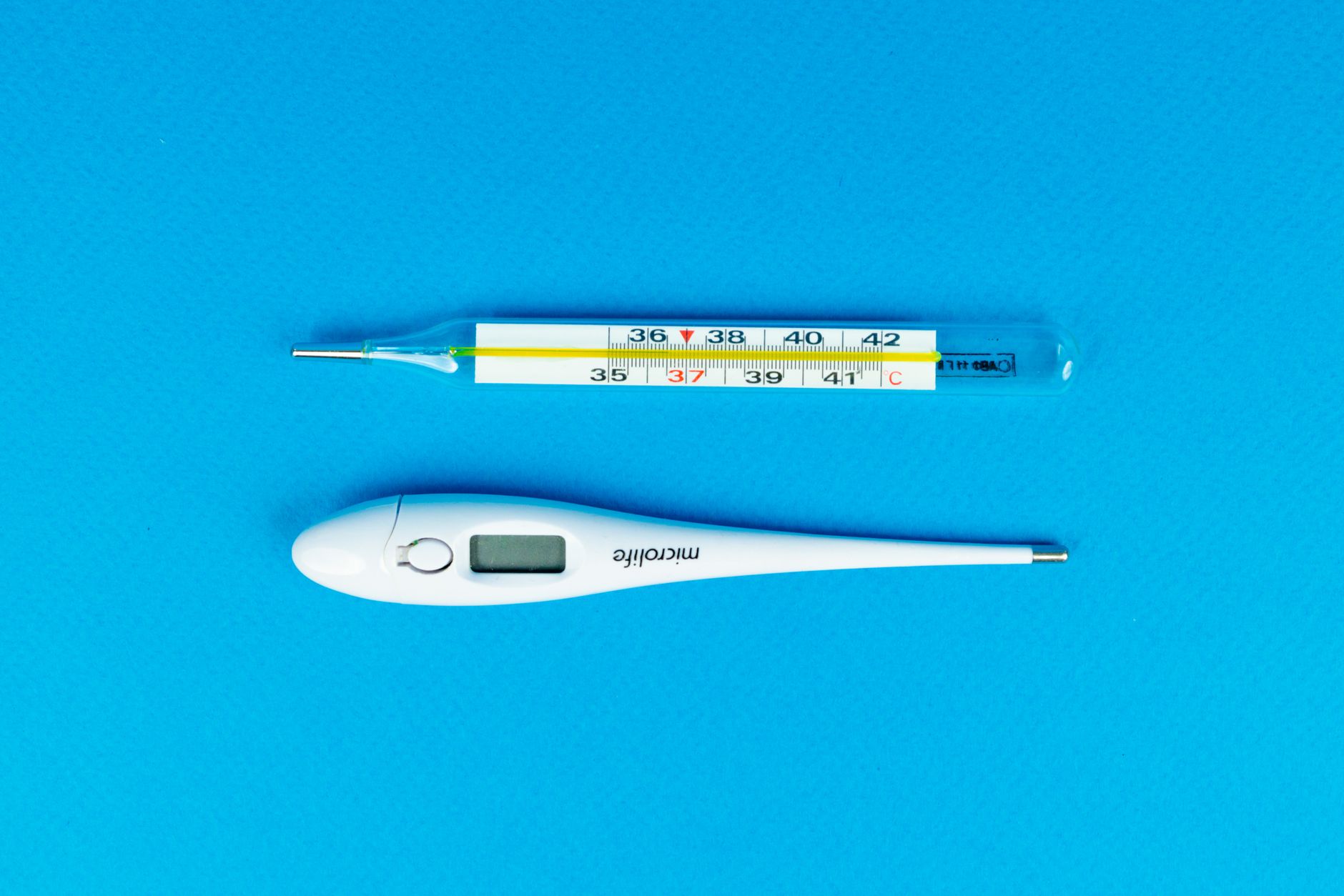
Improper Placement or Technique
The most frequent reason for inconsistent readings is how you use the thermometer. For example, an oral thermometer must sit under the tongue with the mouth closed for the recommended time, usually 30 to 60 seconds. If you move it or open your mouth early, the reading can vary by a degree or more.
For temporal (forehead) thermometers, distance and angle matter. Holding it too far away or at an angle can cause it to measure the room temperature instead of your skin. Similarly, ear thermometers need a straight, snug fit in the ear canal; earwax or a poor seal can produce a lower reading.
Low Battery
A weakening battery is a common culprit behind erratic thermometer behavior. As the battery drains, the sensor may not receive enough power to take a stable measurement, leading to fluctuating or obviously incorrect numbers. Many digital thermometers display a low battery icon, but some do not, so this is worth checking if readings seem off.
Replace the battery with a fresh one of the correct type, then test the thermometer on yourself or a family member. If readings become consistent, the battery was the issue. If not, the problem lies elsewhere.
Environmental Temperature Changes
Digital thermometers are sensitive to ambient temperature. If you move the device from a cold room to a warm one, or vice versa, the internal components may need a few minutes to adjust. Taking a reading immediately after such a change can produce a number that reflects the thermometer’s own temperature, not yours.
Allow the thermometer to sit in the room where you will use it for at least 10 to 15 minutes before measuring. This is especially important for infrared forehead and ear models, which can be thrown off by rapid temperature shifts.
Dirty or Damaged Sensor
A dirty sensor can interfere with accurate temperature detection. For oral and rectal thermometers, residue from saliva, food, or cleaning agents can build up on the tip. For infrared models, dust, smudges, or scratches on the lens can scatter the infrared beam, leading to inconsistent readings.
Clean the sensor according to the manufacturer’s instructions, typically with a soft cloth and isopropyl alcohol. Avoid submerging the entire device unless it is specifically labeled as waterproof. If the sensor is scratched or damaged, the thermometer may need to be replaced.
User Error in Timing
Each thermometer type has a specific measurement time. Removing it too early can give a low reading, while leaving it too long may cause it to stabilize at a different value. Some digital thermometers beep to indicate completion, but the beep may occur before the reading is fully stable on certain models.
Follow the product’s instructions for the exact duration. If you are unsure, a general rule is to keep an oral thermometer in place for at least 30 seconds after the beep. For underarm (axillary) readings, which are less accurate anyway, hold it in place for three to five minutes.
Natural Body Temperature Variations
Your body temperature naturally fluctuates throughout the day. It is typically lower in the morning and higher in the late afternoon or evening. It can also rise after exercise, eating, or drinking hot liquids, and drop after cold exposure or sleep. Taking readings at different times can easily show a difference of 0.5 to 1 degree Fahrenheit.
To track a fever or monitor trends, take readings at the same time each day, under the same conditions. This minimizes natural variation and helps you see whether a change is due to illness or simply the normal daily rhythm.
How to Fix Inconsistent Thermometer Readings
- Check and replace the battery if low.
- Clean the sensor tip or lens with a soft cloth and isopropyl alcohol.
- Allow the thermometer to acclimate to the room temperature for 10 to 15 minutes before use.
- Use the correct technique: place the thermometer properly and hold it steady for the full measurement time.
- Take multiple readings (two or three) and average them if they are close, but discard any obviously wrong number.
- If the thermometer has a calibration mode, follow the manufacturer’s instructions to recalibrate it.
If you have tried these steps and your thermometer still shows inconsistent readings, it may be time to consider a replacement.
Frequently Asked Questions
Can a digital thermometer give a false high reading?
Yes, a false high reading can occur if you take your temperature immediately after eating, drinking hot liquids, or exercising. For oral thermometers, waiting at least 15 minutes after eating or drinking helps ensure an accurate baseline.
Why does my forehead thermometer give different readings on each side?
Forehead thermometers measure the temporal artery, which can have slightly different temperatures on each side due to underlying blood flow. Always take the reading from the same side, and avoid areas with sweat, hair, or makeup that can affect the infrared reading.
How often should I replace my digital thermometer?
Most digital thermometers last for several years if handled carefully and kept clean. Replace it if the sensor becomes scratched, the display is hard to read, or readings become consistently erratic even after battery replacement and cleaning.
Is an ear thermometer more accurate than an oral one?
Ear thermometers can be very accurate when used correctly, but they are more prone to user error from improper positioning or earwax. Oral thermometers are generally reliable if you follow the placement and timing instructions. Neither is inherently better; consistency in use matters most.
Can a digital thermometer be calibrated at home?
Some digital thermometers have a calibration mode that allows you to adjust them using a known reference, such as an ice water bath (32°F or 0°C). Check your user manual for instructions. If your model does not have this feature, it may not be user-calibratable.
Related Guides
Final Thoughts
Inconsistent readings from a digital thermometer usually come down to placement, battery, cleanliness, or natural body variation, not a faulty device.