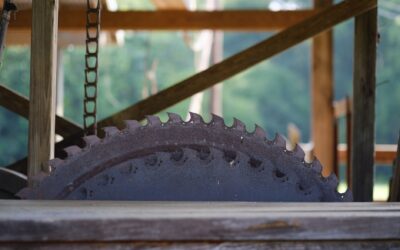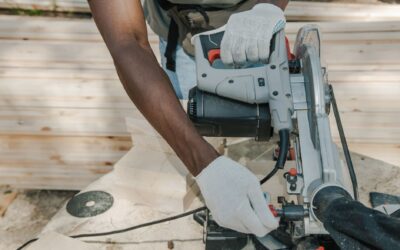
Your circular saw keeps stopping because the motor is overheating, the blade is binding in the cut, the power supply is insufficient, the carbon brushes are worn, the blade is dull, or the trigger lock is malfunctioning. These six issues account for nearly all cases of a saw that starts briefly and then dies. Understanding which one applies to your situation will save you time and help you get back to cutting safely.
Motor Overheating
The most common reason a circular saw stops mid cut is thermal overload protection. Every saw has a built in thermal switch that kills power to the motor when it gets too hot. This is a safety feature, not a defect.
Overheating usually happens when you push the saw too hard through the material, especially in dense hardwoods or pressure treated lumber. It can also occur if you are making a long rip cut without pausing. Let the saw cool for 10 to 15 minutes and it should restart on its own.
Dust buildup inside the motor housing can also trap heat. If your saw stops frequently in normal use, check the cooling vents for sawdust and clean them out with compressed air. This is a simple fix that many people overlook.
Blade Binding in the Cut
Your circular saw will stop abruptly if the blade binds or pinches inside the kerf. This happens when the material shifts or closes behind the blade during the cut. It is one of the most dangerous causes because it can lead to kickback.
Binding is common when cutting with the grain in long boards or when the wood is under tension. Using a straightedge guide or clamping the workpiece securely can prevent movement. If the saw stops and the blade is stuck, release the trigger immediately and wedge the kerf open before trying to remove the saw.
Insufficient Power Supply
A corded circular saw draws a lot of amperage. If you are using an extension cord that is too long or too thin, the voltage drop can cause the motor to stall. The saw may start fine but stop under load.
For a 15 amp saw, use a 12 gauge extension cord no longer than 100 feet. A 14 gauge cord may work for short runs but will cause problems on longer ones. If your saw is cordless, a depleted or aging battery can cause the saw to cut out under load even when the battery indicator shows a partial charge. Try a fresh battery to see if the issue goes away.
Worn Carbon Brushes
Carbon brushes are small blocks inside the motor that transfer electrical current to the spinning armature. They wear down over time and when they get too short, they lose contact. This causes the motor to run intermittently or stop completely.
Most circular saws have brush caps on the side of the motor housing. If your saw stops and restarts after a few seconds, worn brushes are a likely cause. Replacing them is a cheap and easy DIY repair. Check your owner’s manual for the correct brush part number and replacement procedure.
Dull or Damaged Blade
A dull blade requires more force to push through the material. That extra resistance can overload the motor and trigger the thermal protection. A blade with missing or chipped teeth can catch and cause the saw to jerk and stop.
If your saw is smoking or leaving burn marks on the cut edge, the blade is likely dull. Replace it with a sharp carbide tipped blade appropriate for the material you are cutting. A sharp blade cuts with minimal effort and keeps the motor running smoothly.
Trigger Lock or Switch Malfunction
The trigger lock button or the switch assembly itself can fail over time. A worn switch may lose contact when the saw is under vibration, causing the saw to cut out. This is more common on older saws that have seen heavy use.
If your saw stops and will not restart even after cooling and checking the power source, the switch may be faulty. This repair usually requires replacing the entire switch assembly. It is worth having a professional diagnose if you are not comfortable working with electrical components.
How to Fix a Circular Saw That Keeps Stopping
- Let the saw cool for 15 minutes if it stops from overheating. Clean the vents with compressed air.
- Secure your workpiece with clamps to prevent binding. Use a straightedge guide for long cuts.
- Switch to a heavy duty 12 gauge extension cord no longer than 100 feet. For cordless saws, try a fully charged battery.
- Inspect and replace carbon brushes if they are shorter than 1/4 inch.
- Install a sharp new blade if the old one is dull or damaged.
- Test the trigger lock and switch. Replace the switch assembly if the saw still will not run.
If troubleshooting the saw itself does not solve the problem, the issue may be with your power source. Checking your electrical system with a reliable diagnostic tool can help rule out voltage problems at the outlet.
Frequently Asked Questions
Why does my circular saw run for a few seconds then stop?
This is almost always the thermal overload protection kicking in. The motor is overheating faster than the saw can dissipate heat. Let it cool for 10 to 15 minutes. If it happens repeatedly, check for dust in the vents or a dull blade that is causing extra resistance.
Can a bad extension cord cause a circular saw to stop?
Yes, absolutely. A long or undersized extension cord creates voltage drop that starves the motor of power. The saw may start fine but stall under load. Use a 12 gauge cord rated for the saw’s amperage and keep it as short as practical.
How do I know if my circular saw carbon brushes are worn?
Worn brushes often cause the saw to run intermittently or stop and start. You can check them by removing the brush caps on the motor housing. If the brush is shorter than 1/4 inch or has a chipped edge, replace them. Many saws have a sparking indicator when brushes are near the end of their life.
Why does my circular saw kick back and stop?
Kickback happens when the blade binds and the saw is thrown backward toward you. This is usually caused by the material pinching the blade or by starting a cut with the blade contacting the wood in the wrong place. Always use the lower guard properly and keep a firm grip on the saw.
Is it safe to use a circular saw that keeps stopping?
No, a saw that stops unexpectedly is a safety hazard. It can cause kickback or lead to a loss of control. Stop using the saw until you identify and fix the cause. If you cannot diagnose the issue, take the saw to a qualified repair technician.
Related Guides
- Circular Saw Not Cutting Straight
- Why Does My Circular Saw Burn the Wood?
- Why Does My Jigsaw Cut At An Angle?
Final Thoughts
Your circular saw keeps stopping for one of a handful of reasons, most of which are easy to fix yourself. Start with the simplest causes like overheating, a dull blade, or a power supply issue before moving on to internal parts like brushes or switches.