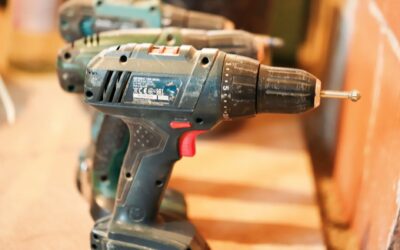
Your drill bit keeps slipping because the chuck is not gripping the bit tightly enough, the bit is the wrong size or type for the material, or you are applying too much or too little pressure. The most common cause is a hand-tightened chuck that loosens under load, especially with round shank bits. Other frequent reasons include a worn or dirty chuck, using a dull bit, or drilling at the wrong speed. Understanding why does my drill bit keep slipping starts with checking the most basic mechanical connection first.
Loose or Improperly Tightened Chuck
The chuck is the clamp that holds your drill bit. If it is not tightened fully, the bit will spin freely inside it as soon as resistance increases. Most modern drills have a keyless chuck that you tighten by hand, but many people do not grip it firmly enough. Give it a solid twist until you hear a click or feel it lock.
For older drills with a keyed chuck, the key must be inserted into each hole and turned firmly. If the key is missing or worn, the chuck cannot clamp properly. Always check that the chuck is tight before every use, especially after changing bits.
Worn or Dirty Chuck Jaws
Chuck jaws are the metal teeth inside the chuck that grip the bit. Over time, they can become worn smooth or clogged with dust and debris. When the jaws cannot bite into the bit shank, the bit slips regardless of how tight you turn the chuck.
Clean the chuck jaws by opening them fully and blowing out dust with compressed air or a small brush. If the jaws are visibly worn or rounded, the chuck may need replacement. A dirty or worn chuck is a common reason why does my drill bit keep slipping even after tightening it.
Wrong Bit Shank Type for Your Drill
Drill bits come with different shank shapes: round, hex, and triangular. A round shank is the most common and works in any chuck, but it has less grip than a hex shank. Hex shanks have flat sides that the chuck jaws can lock onto more securely, making them less likely to slip under heavy load.
If your drill bit keeps slipping and you are using a round shank bit in a high torque situation, switch to a hex shank bit. Many impact driver bits use hex shanks for this reason. Always match the shank type to the chuck design for the best hold.
Dull or Damaged Drill Bit
A dull drill bit requires more pressure to cut, which increases the chance of the bit slipping in the chuck. The bit may also wander across the surface before it starts cutting, making it feel like it is slipping. Inspect the cutting edge of your bit for wear or damage.
Sharpening or replacing dull bits restores cutting efficiency and reduces the force needed. A sharp bit cuts cleanly with less effort, so the chuck does not have to fight against excessive pressure. This is an often overlooked fix for why does my drill bit keep slipping.
Drilling at Incorrect Speed
Drilling too fast generates heat that can soften the bit shank or cause the chuck to expand slightly, reducing grip. Drilling too slow can cause the bit to catch and twist in the chuck. Each material has an optimal speed range: slower for metal and masonry, faster for wood and plastic.
If your drill has variable speed, start slow and increase as needed. For a fixed speed drill, match the bit size and material to the drill’s RPM. Incorrect speed is a silent contributor to slipping that many people do not consider.
Applying Too Much or Too Little Pressure
Pushing too hard forces the bit to bind and can cause the chuck to lose its grip. Pushing too lightly lets the bit bounce or spin without cutting, which also leads to slipping. The right pressure is steady and firm but not forceful.
Let the drill and bit do the work. If you feel the bit stop cutting and start spinning, ease off the pressure slightly. If the bit slides across the surface, increase pressure gradually until it bites. This balance is key to preventing why does my drill bit keep slipping.
How to Fix a Slipping Drill Bit
- Tighten the chuck firmly by hand or with the chuck key.
- Clean the chuck jaws with compressed air or a brush.
- Switch to a hex shank bit for better grip.
- Sharpen or replace dull drill bits.
- Adjust drill speed to match the material.
- Apply steady, moderate pressure while drilling.
If you have addressed all these causes and the bit still slips, the chuck itself may be worn beyond repair. Replacing a chuck is simple on most drills.
Frequently Asked Questions
Can a slipping drill bit damage my drill?
Yes, repeated slipping can wear down the chuck jaws and cause the chuck to fail entirely. It can also overheat the motor as it works harder to spin the bit. Address slipping promptly to avoid costly repairs.
Why does my drill bit slip in reverse?
In reverse, the chuck is turning opposite to the tightening direction, which can loosen it. Make sure the chuck is extra tight before using reverse, and consider using a bit with a hex shank for better retention.
Does bit size affect slipping?
Yes, very small bits have thin shanks that the chuck may not grip as securely. Very large bits create high torque that can overwhelm a loose chuck. Always use bits that match the drill’s capacity range.
Is it safe to use a drill with a slipping bit?
No, a slipping bit can suddenly catch and spin the drill violently, causing injury. Stop using the drill immediately and fix the slipping issue before continuing. Safety should always come first.
Related Guides
Final Thoughts
Your drill bit keeps slipping most often because the chuck is loose, dirty, or worn, or because the bit is dull or mismatched. Fixing these issues is straightforward and usually takes just a few minutes.